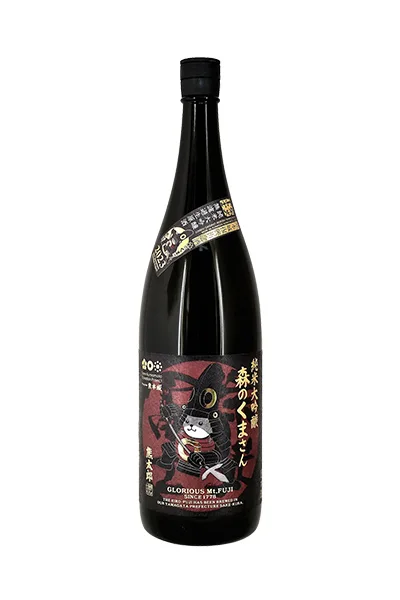
Junmai Daiginjo Muroka Nama Genshu Mori no Kuma-san Kumataro
純米大吟醸 無濾過生原酒 森のくまさん 熊太郎Junmai daiginjo, rice polished to 50%, unfiltered, unpasteurized and undiluted (muroka nama genshu)
Eiko Fuji — Fuji Shuzo, Yamagata
A bottle from the Donation Project, brewed with "Mori no Kuma-san," a popular brand of rice from Kumamoto Prefecture, with part of the sales donated directly to Kumamoto Castle.
Specifications
- Type
- Junmai Daiginjo
- Rice
- Not disclosed
- Rice polishing ratio
- 50%50% of each grain polished away
- Yeast
- Not disclosed
- Alcohol
- 16.3–16.8%
- Sake meter value
- -6–-1sweet
- Acidity
- 1.7
How to read these
- Type
- The grade printed on the label. It depends on the ingredients (rice only, or with a little distilled alcohol) and on how far the rice is polished. More
- Rice
- The rice variety. Most premium sake uses varieties grown for brewing, such as Yamada Nishiki. More
- Rice polishing ratio
- How much of each grain is left after polishing. A lower number means more was milled away, which usually gives a lighter, more aromatic sake. More
- Yeast
- The yeast strain, which shapes the aroma. More
- Alcohol
- Alcohol by volume. Most sake is 15–16%; undiluted (genshu) sake is often 17–18%. More
- Sake meter value
- A sweet-to-dry scale. Plus is drier, minus is sweeter. Acidity changes how it tastes, so treat it as a rough guide. More
- Acidity
- Total acid. Higher tends to taste fuller and drier; lower tastes lighter and sweeter. More
Flavor profile Aromatic & light
Aromatic & light — fruity, floral aroma with a light body. Known in Japan as kun-shu (薫酒).
Junmai daiginjo polished to 50% with a negative SMV points to a fruity, aromatic profile with a sweeter impression, while acidity of 1.7 keeps it crisp. The unpasteurized genshu character at about 16% adds some weight, so body lands near the middle, leaning light.
Estimated by AI from the published specifications and the brewery's description; your impression may differ.
About
At 21:26 on Thursday, April 14, 2016, a major earthquake of seismic intensity 7 struck Kumamoto Prefecture. Kumamoto Castle, which was rebuilt by Lord Kato Kiyomasa, regarded as the ancestor of the Kato family, owners of Fuji Shuzo, also suffered severe damage. The total cost of the castle's damage has been estimated at 63.4 billion yen, and it is said that restoring it to its pre-earthquake condition will take a long time, around 20 years. As of March 2023, two routes are open to the public as special viewing: the northbound route (北上ルート) leading from Ninomaru Plaza toward the main keep (tenshukaku), and the South Route, which follows a slope about 6 meters above the ground. Visitors can enjoy views of the main keep and the stone walls built in two different styles (二様の石垣). Our feeling that the support of many more people will be needed has not changed. Fuji Shuzo will therefore continue its "Donation Project," brewing sake from "Mori no Kuma-san," a branded rice grown in Kumamoto Prefecture, and will keep donating part of the proceeds from this product directly to Kumamoto Castle. About the product name "Kumataro" for this "Mori no Kuma-san" sake: the name is taken from the given name of the son Kumataro, one of two children, a son and a daughter (Myoen), said to have been born in Maruoka in Dewa Province (present-day Tsuruoka City, Yamagata Prefecture). Kato Tadahiro, the heir of Lord Kato Kiyomasa, was ordered into attainder (kaieki, the confiscation of his domain) on May 22, 1632 (Kanei 9), and was sent into exile in Maruoka together with his mother Shoo-in, his concubines, his wet nurse, ladies-in-waiting, and 20 retainers. We hope you will also take an interest in the history of the Kato family, whose brewery continues to this day, now in its 13th generation.
Other sake from this brand 34
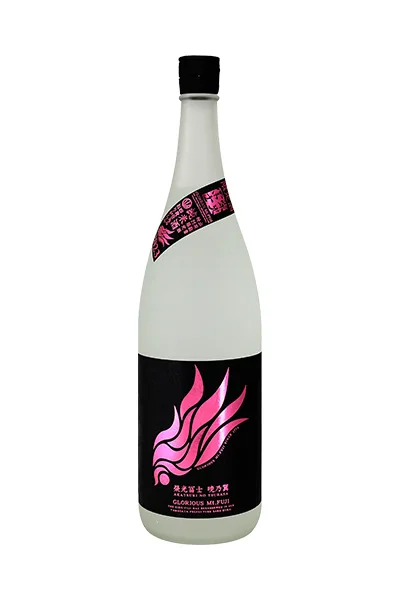
- Junmai Muroka Nama Genshu Akatsuki no Tsubasa純米酒 無濾過生原酒 暁乃翼
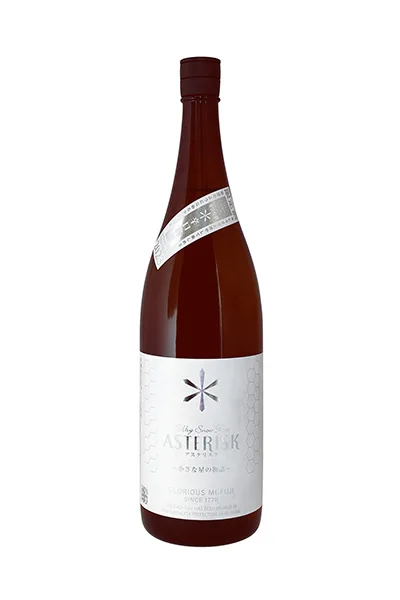
- Junmai Filtered Pasteurized Water-Added ASTERISK純米酒 濾過火入加水 ASTERISK
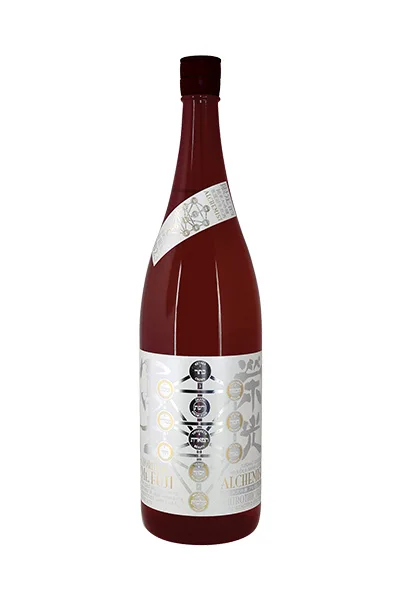
- Eiko Fuji Junmai Daiginjo Muroka Nama Genshu Alchemist純米大吟醸 無濾過生原酒 ALCHEMIST
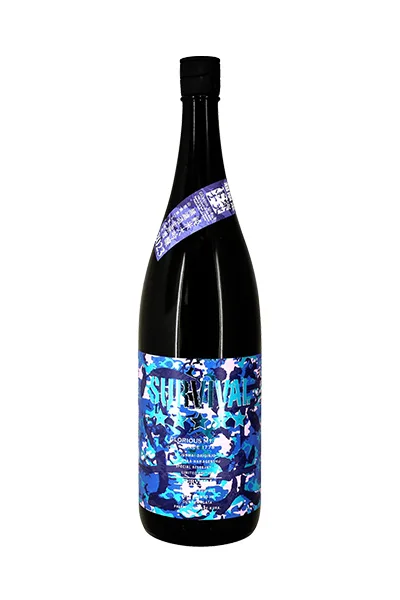
- Eiko Fuji SURVIVAL Tamanae栄光冨士 SURVIVAL 玉苗
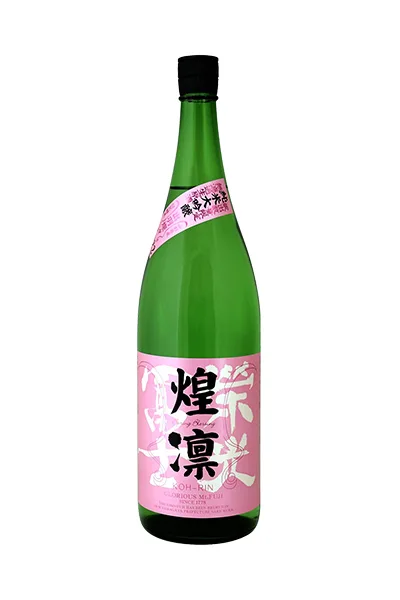
- Eiko Fuji Kourin栄光冨士 煌凛
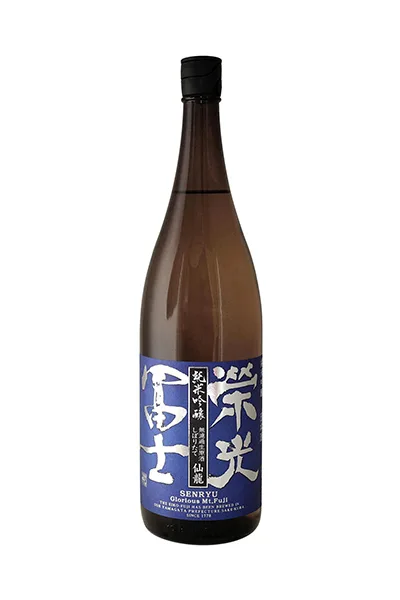
- Eiko Fuji Shiboritate Senryu栄光冨士 しぼりたて 仙龍
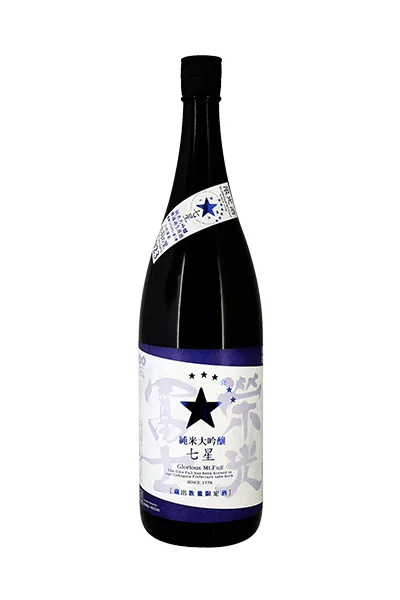
- Eiko Fuji Nanahoshi栄光冨士 七星
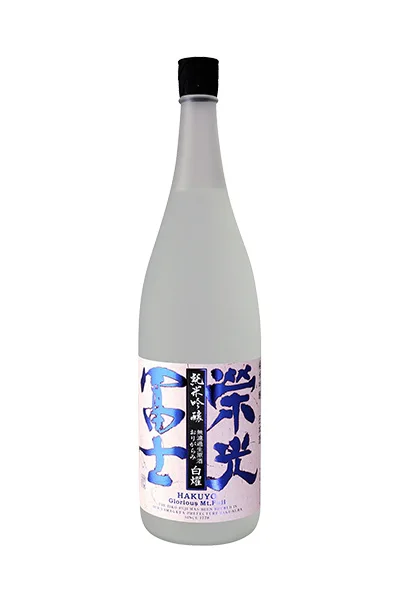
- Eiko Fuji Origarami Hakuyo栄光冨士 おりがらみ 白燿
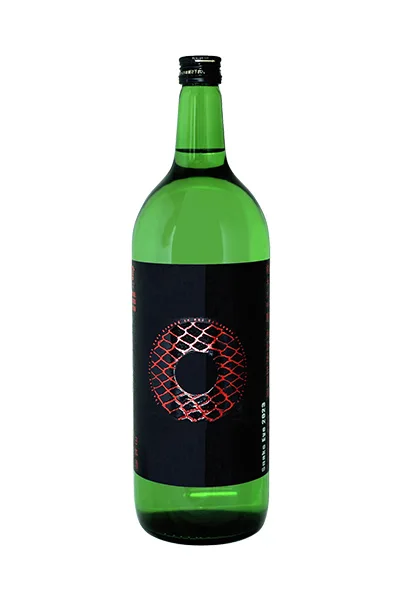
- Eiko Fuji Junmai Daiginjo Muroka Nama Genshu SNAKE EYE栄光冨士 純米大吟醸 無濾過生原酒 SNAKE EYE
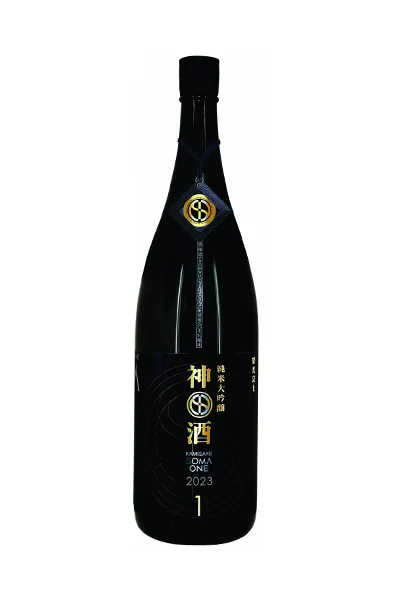
- Eiko Fuji Junmai Daiginjo Muroka Namazume Genshu Soma One純米大吟醸 無濾過生詰原酒 神酒 SOMA ONE
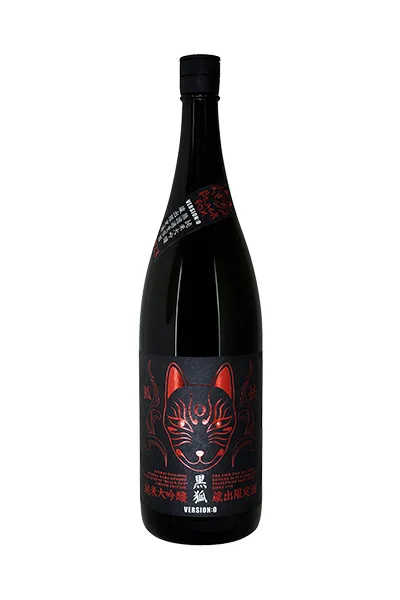
- Junmai Daiginjo Muroka Nama Genshu Kurogitsune BLACK FOX VERSION:0純米大吟醸 無濾過生原酒 黒狐 BLACK FOX VERSION:0
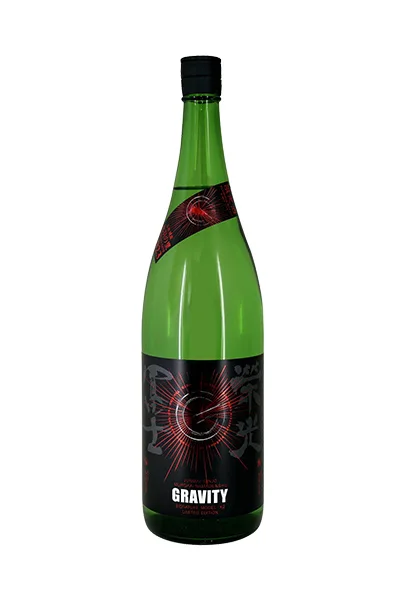
- Eiko Fuji Junmai Ginjo Muroka Nama Genshu GRAVITY純米吟醸 無濾過生原酒 GRAVITY