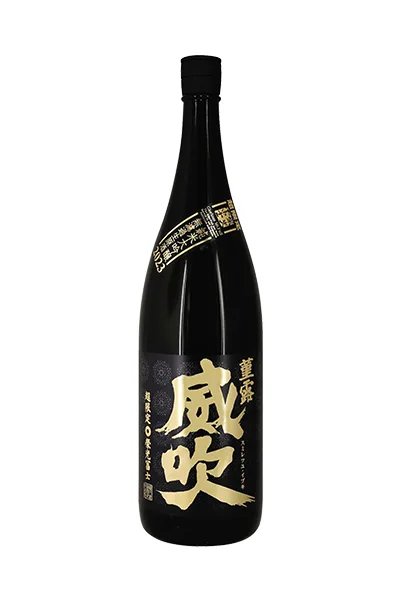
Junmai Daiginjo Muroka Nama Genshu Sumire Tsuyu Ibuki
純米大吟醸 無濾過生原酒 菫露 威吹Junmai daiginjo, Miyama Nishiki rice polished to 50%, unfiltered, unpasteurized and undiluted (muroka nama genshu)
Eiko Fuji — Fuji Shuzo, Yamagata
Well-balanced, refreshing umami from Yamada Nishiki and Miyama Nishiki, the core character of Eikofuji.
Specifications
- Type
- Junmai Daiginjo
- Rice
- Miyama Nishiki
- Rice polishing ratio
- 50%50% of each grain polished away
- Yeast
- Kyokai No. 10
- Alcohol
- 16.6–16.8%
- Sake meter value
- -4–-2slightly sweet
- Acidity
- 1.5
How to read these
- Type
- The grade printed on the label. It depends on the ingredients (rice only, or with a little distilled alcohol) and on how far the rice is polished. More
- Rice
- The rice variety. Most premium sake uses varieties grown for brewing, such as Yamada Nishiki. More
- Rice polishing ratio
- How much of each grain is left after polishing. A lower number means more was milled away, which usually gives a lighter, more aromatic sake. More
- Yeast
- The yeast strain, which shapes the aroma. More
- Alcohol
- Alcohol by volume. Most sake is 15–16%; undiluted (genshu) sake is often 17–18%. More
- Sake meter value
- A sweet-to-dry scale. Plus is drier, minus is sweeter. Acidity changes how it tastes, so treat it as a rough guide. More
- Acidity
- Total acid. Higher tends to taste fuller and drier; lower tastes lighter and sweeter. More
Flavor profile Aromatic & light
Aromatic & light — fruity, floral aroma with a light body. Known in Japan as kun-shu (薫酒).
Polishing to 50%, SMV -3, acidity 1.5, and the description of fragrant ginjo aroma with a light, clean finish point to high aroma, a light body, and a mildly sweet impression.
Estimated by AI from the published specifications and the brewery's description; your impression may differ.
About
The first release in 'Haru no Ichi' (Spring Market), a highly popular special-spec product that is available to order only once a year. Made with Yamada Nishiki, the king of sake rice, grown in Hyogo Prefecture, for the shubo (yeast starter), and Miyama Nishiki from Yamagata Prefecture, which has become especially popular and harder to obtain in recent years, for the kake-mai (rice for the main mash). This junmai daiginjo is recommended for pairing with sushi and other dishes. Named after the sumire (violet), which blooms in the spring, and evoking a single gust of spring wind blowing through with dignified boldness, the name truly embodies the classic style of Eikofuji. It is characterized by a vivid ginjo aroma, the umami of sake rice, and a refreshing aftertaste that lasts to the end. Although there are some sakes that use only Yamada Nishiki, such as Daiginjo Muroka Nama Genshu Sanctuary ~Seiiki~ (Yamada Nishiki 35%) and Junmai Daiginjo Muroka Nama Genshu Alchemist, Sumire Tsuyu Ibuki uses Yamada Nishiki only for the shubo and combines it with Miyama Nishiki as the kake-mai. Compared with products brewed with Yamada Nishiki alone, it has a slightly lighter character, with a smooth mouthfeel that does not feel heavy and is easy to keep drinking. Most of Eikofuji's muroka nama genshu series use Yamagata yeast, but the yeast used for Sumire Tsuyu Ibuki is a Kyokai No. 10 yeast (a Kyokai No. 10-type yeast). It is used in many premium sakes, readily develops a vivid ginjo aroma, and produces little pronounced acidity, making it suited to brewing easy-drinking sake. Please enjoy it together with a meal.
Other sake from this brand 34
- Junmai Muroka Nama Genshu Akatsuki no Tsubasa純米酒 無濾過生原酒 暁乃翼
- Junmai Filtered Pasteurized Water-Added ASTERISK純米酒 濾過火入加水 ASTERISK
- Eiko Fuji Junmai Daiginjo Muroka Nama Genshu Alchemist純米大吟醸 無濾過生原酒 ALCHEMIST
- Eiko Fuji SURVIVAL Tamanae栄光冨士 SURVIVAL 玉苗
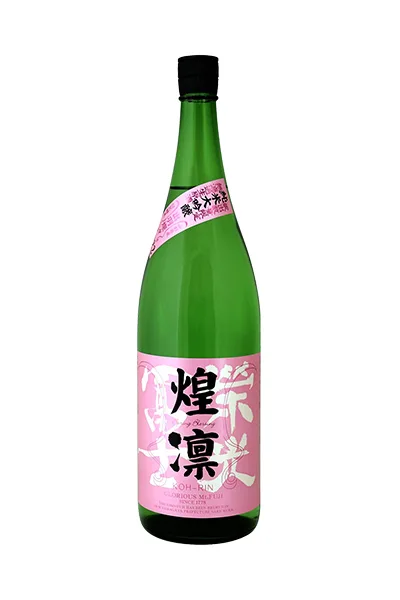
- Eiko Fuji Kourin栄光冨士 煌凛
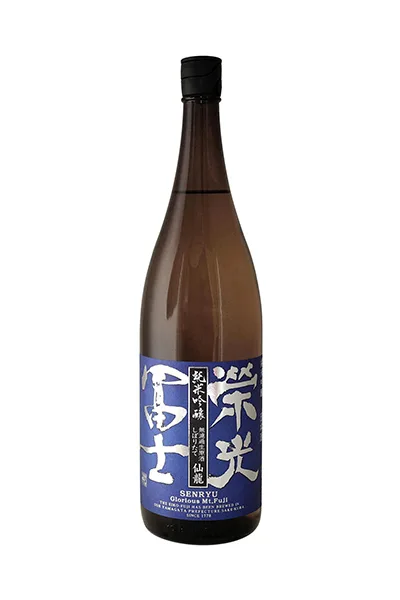
- Eiko Fuji Shiboritate Senryu栄光冨士 しぼりたて 仙龍
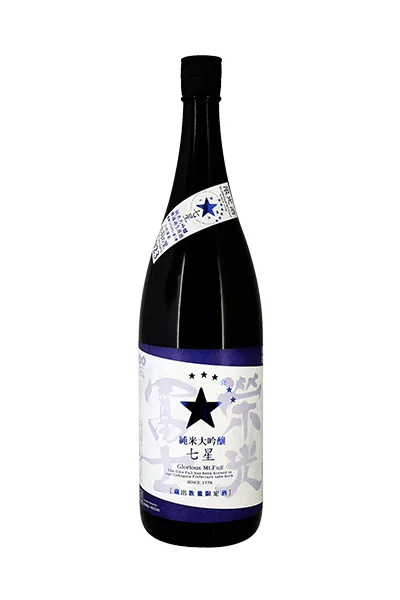
- Eiko Fuji Nanahoshi栄光冨士 七星
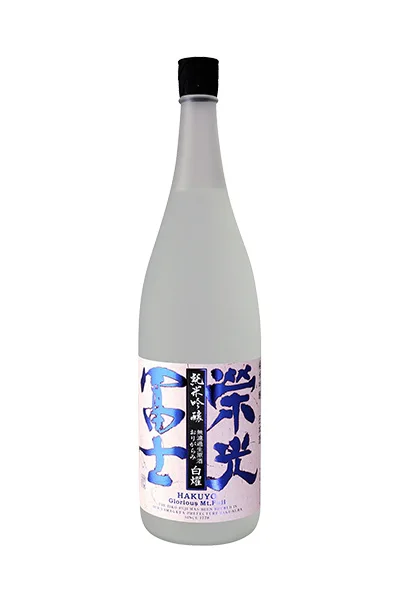
- Eiko Fuji Origarami Hakuyo栄光冨士 おりがらみ 白燿
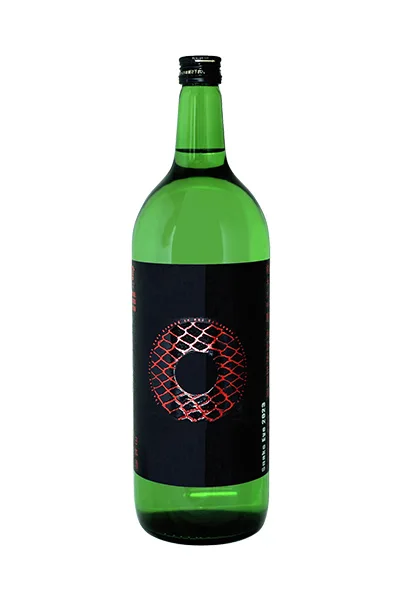
- Eiko Fuji Junmai Daiginjo Muroka Nama Genshu SNAKE EYE栄光冨士 純米大吟醸 無濾過生原酒 SNAKE EYE
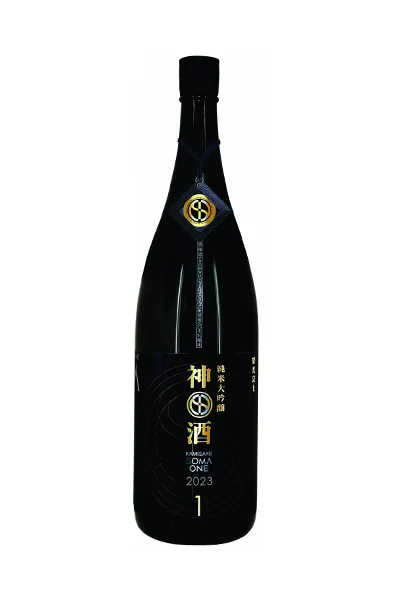
- Eiko Fuji Junmai Daiginjo Muroka Namazume Genshu Soma One純米大吟醸 無濾過生詰原酒 神酒 SOMA ONE
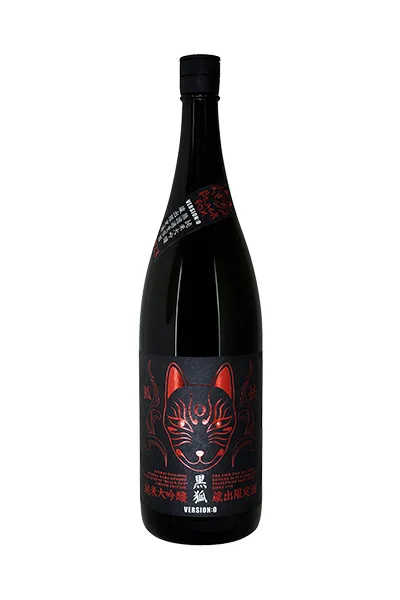
- Junmai Daiginjo Muroka Nama Genshu Kurogitsune BLACK FOX VERSION:0純米大吟醸 無濾過生原酒 黒狐 BLACK FOX VERSION:0
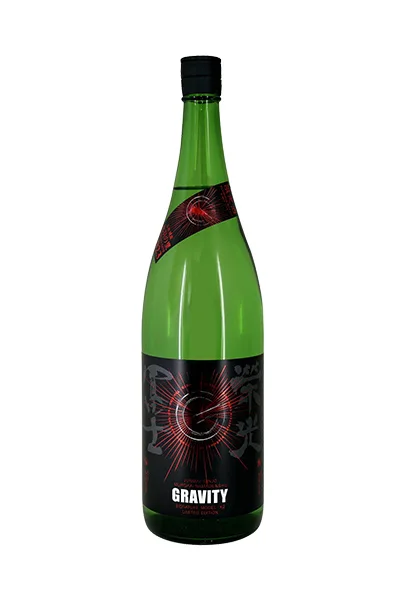
- Eiko Fuji Junmai Ginjo Muroka Nama Genshu GRAVITY純米吟醸 無濾過生原酒 GRAVITY