福千歳No photo yet
Fukuchitose Hitohada Koishi
福千歳 ひと肌恋しJunmai, rice polished to 65%, yamahai starter
Fukuchitose — Tajima Shuzo, Fukui
A long-selling Fukuchitose junmai made for warming, personally recommended by a president who loves warmed sake.
Specifications
- Type
- Junmai Shu
- Rice
- Not disclosed
- Rice polishing ratio
- 65%35% of each grain polished away
- Yeast
- Not disclosed
- Alcohol
- 15%
- Sake meter value
- +4dry
- Acidity
- 1.6
How to read these
- Type
- The grade printed on the label. It depends on the ingredients (rice only, or with a little distilled alcohol) and on how far the rice is polished. More
- Rice
- The rice variety. Most premium sake uses varieties grown for brewing, such as Yamada Nishiki. More
- Rice polishing ratio
- How much of each grain is left after polishing. A lower number means more was milled away, which usually gives a lighter, more aromatic sake. More
- Yeast
- The yeast strain, which shapes the aroma. More
- Alcohol
- Alcohol by volume. Most sake is 15–16%; undiluted (genshu) sake is often 17–18%. More
- Sake meter value
- A sweet-to-dry scale. Plus is drier, minus is sweeter. Acidity changes how it tastes, so treat it as a rough guide. More
- Acidity
- Total acid. Higher tends to taste fuller and drier; lower tastes lighter and sweeter. More
Flavor profile Rich & umami
RestrainedAromatic
RichLight
Rich & umami — rice-driven umami and a fuller body. Known in Japan as jun-shu (醇酒).
The description stresses rice umami and a crisp finish, and yamahai brewing at 65% polishing points to a restrained aroma and fuller body. SMV +4 and acidity 1.6 suggest a fairly dry, moderately rich profile.
Estimated by AI from the published specifications and the brewery's description; your impression may differ.
About
The umami of the rice comes through fully, and the finish is clean, making this a food sake that pairs well with meals.
Other sake from this brand 10
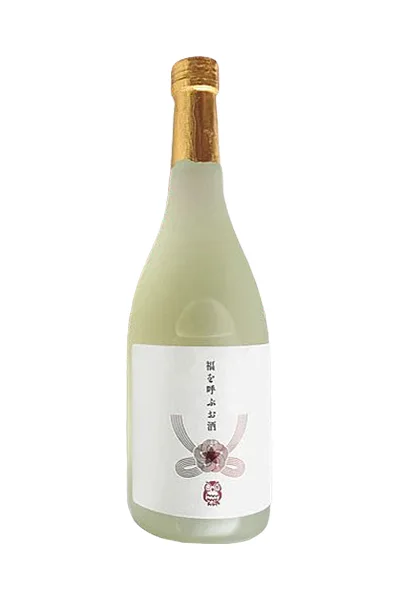
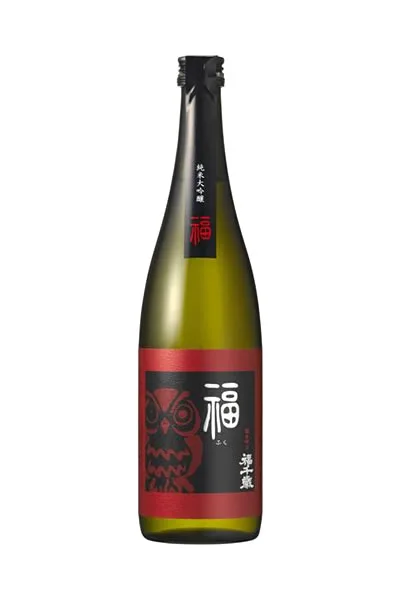
- Fukuchitose Fuku o Yobu Osake福千歳 福を呼ぶお酒
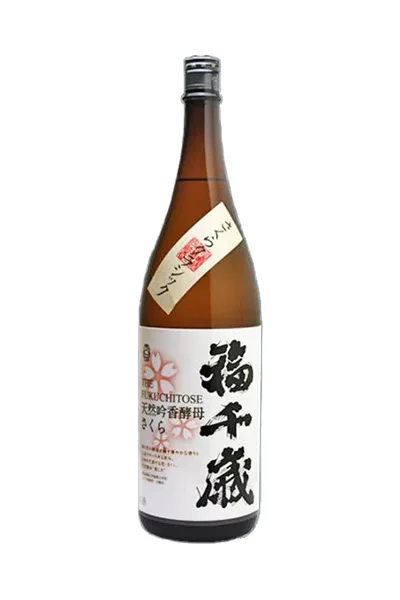
- Fukuchitose Sakura Classic福千歳 さくらクラシック
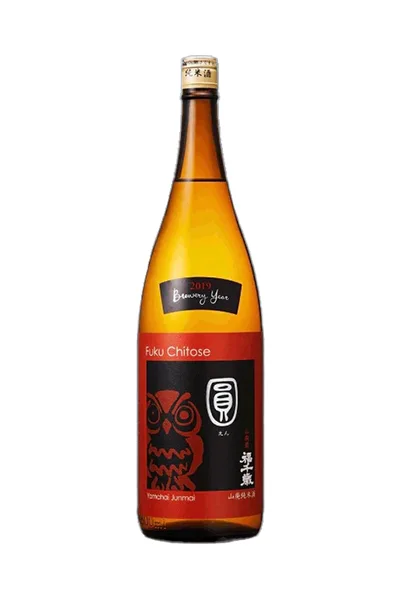
- Fukuchitose En福千歳 圓
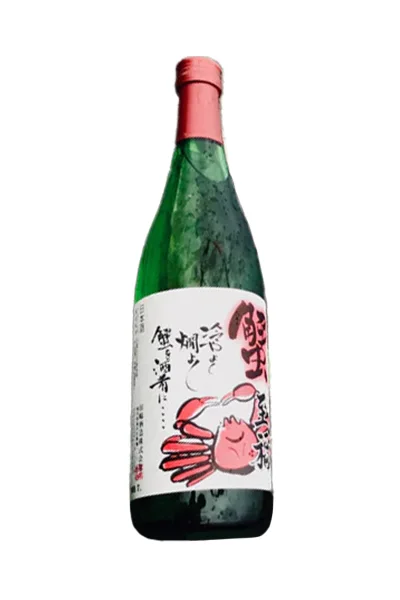
- Fukuchitose Kani Shifuku福千歳 蟹至福
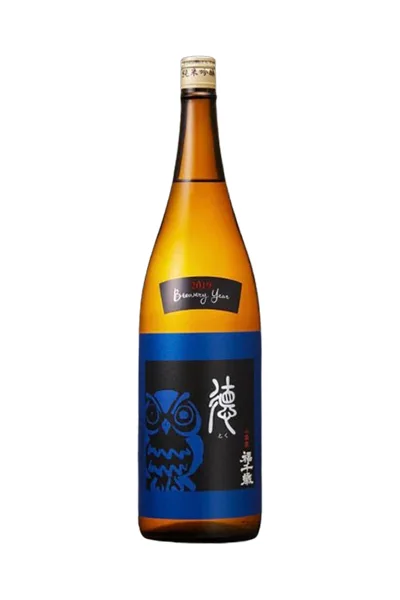
- Fukuchitose Toku福千歳 徳
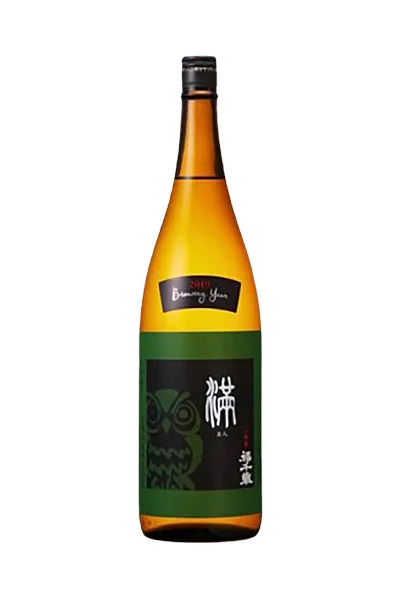
- Fukuchitose Man福千歳 満
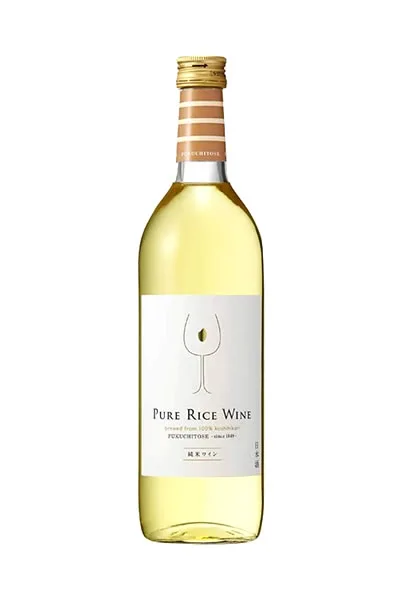
- Fukuchitose PURE RICE WINE福千歳 PURE RICE WINE
- Fukuchitose Sur Lie福千歳 シュール・リー
- Fukuchitose Kokushu福千歳 國酒