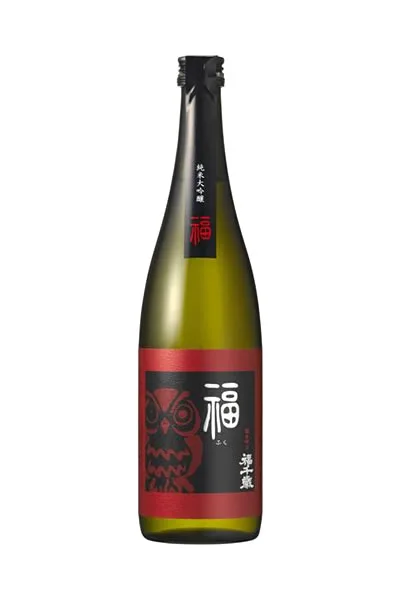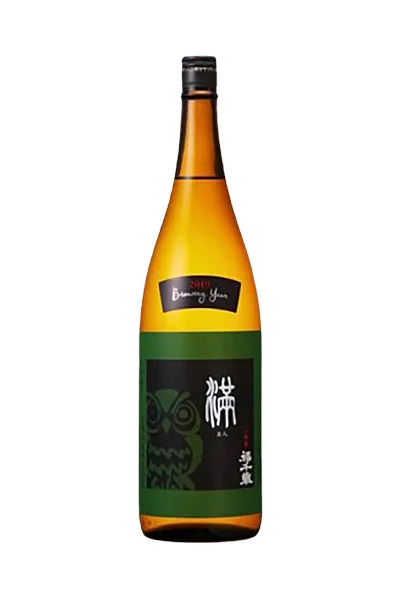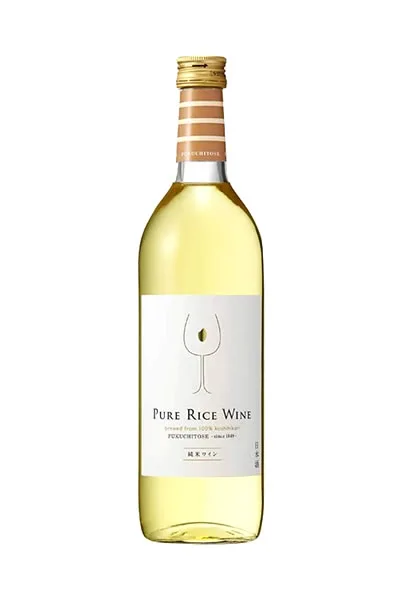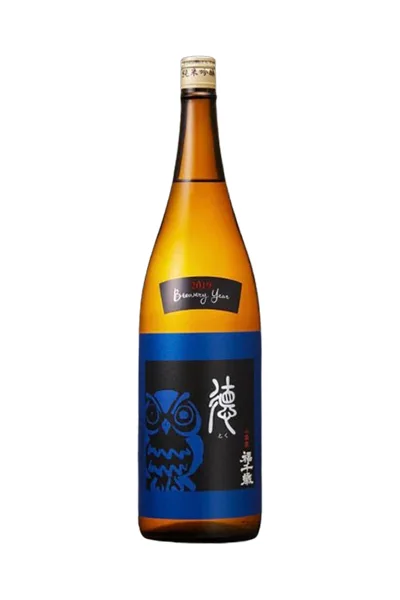
Fukuchitose Toku
福千歳 徳Junmai ginjo, rice polished to 55%, yamahai starter
Fukuchitose — Tajima Shuzo, Fukui
Brewed with the wish that abundant fortune visits everyone.
Specifications
- Type
- Junmai Ginjo
- Rice
- Not disclosed
- Rice polishing ratio
- 55%45% of each grain polished away
- Yeast
- Not disclosed
- Alcohol
- 15%
- Sake meter value
- +4dry
- Acidity
- 1.7
How to read these
- Type
- The grade printed on the label. It depends on the ingredients (rice only, or with a little distilled alcohol) and on how far the rice is polished. More
- Rice
- The rice variety. Most premium sake uses varieties grown for brewing, such as Yamada Nishiki. More
- Rice polishing ratio
- How much of each grain is left after polishing. A lower number means more was milled away, which usually gives a lighter, more aromatic sake. More
- Yeast
- The yeast strain, which shapes the aroma. More
- Alcohol
- Alcohol by volume. Most sake is 15–16%; undiluted (genshu) sake is often 17–18%. More
- Sake meter value
- A sweet-to-dry scale. Plus is drier, minus is sweeter. Acidity changes how it tastes, so treat it as a rough guide. More
- Acidity
- Total acid. Higher tends to taste fuller and drier; lower tastes lighter and sweeter. More
Flavor profile Rich & umami
Rich & umami — rice-driven umami and a fuller body. Known in Japan as jun-shu (醇酒).
The description says the fragrance is not strongly floral, so aroma is restrained despite the junmai ginjo label. Yamahai brewing and acidity of 1.7 add body and umami, while SMV +4 keeps it leaning dry.
Estimated by AI from the published specifications and the brewery's description; your impression may differ.
About
For those drinking a Fukuchitose yamahai (traditional yeast-starter method) sake for the first time, the one I would most recommend is this Junmai Ginjo. It is also where many people eventually arrive after drinking for a long time. In one phrase, that is the kind of sake it is. It does not have a particularly vivid aroma, but it is a sake that stays by your side. It does not clash with any dish and pairs well with a wide range of food.
Other sake from this brand 10
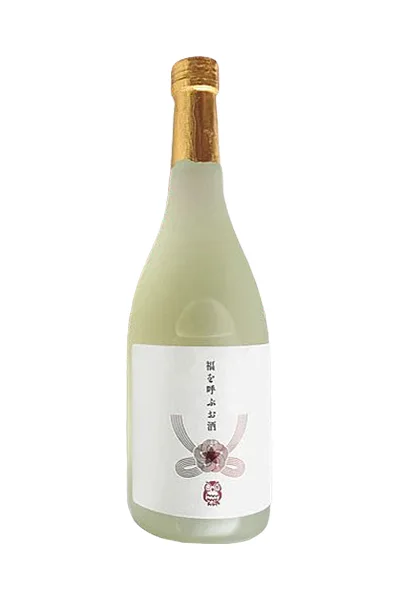
- Fukuchitose Fuku o Yobu Osake福千歳 福を呼ぶお酒
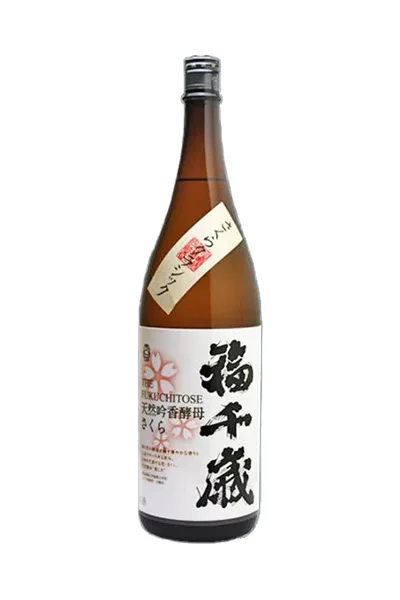
- Fukuchitose Sakura Classic福千歳 さくらクラシック
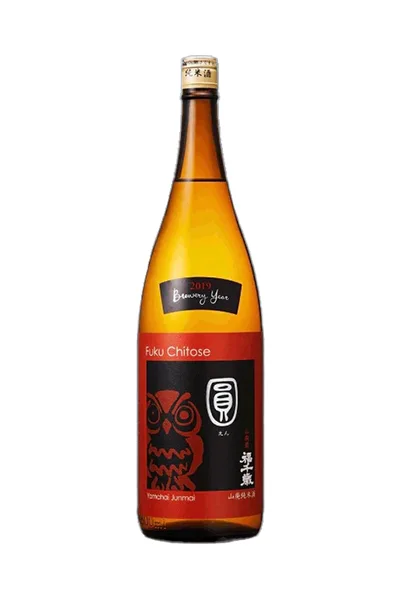
- Fukuchitose En福千歳 圓
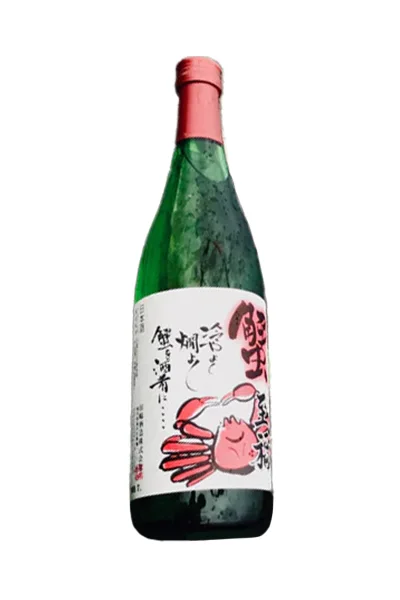
- Fukuchitose Kani Shifuku福千歳 蟹至福
- Fukuchitose Man福千歳 満
- Fukuchitose PURE RICE WINE福千歳 PURE RICE WINE
- Fukuchitose Hitohada Koishi福千歳 ひと肌恋し
- Fukuchitose Sur Lie福千歳 シュール・リー
- Fukuchitose Kokushu福千歳 國酒