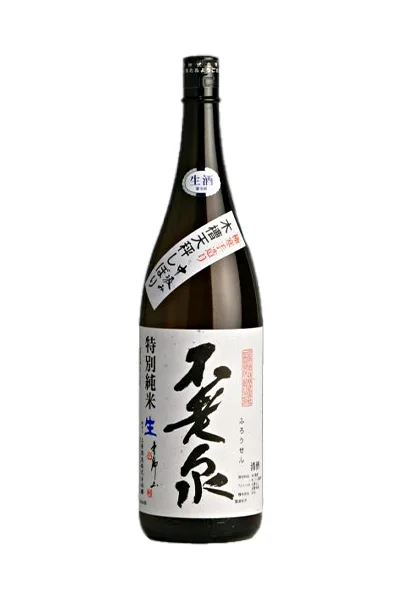
Furosen Tokubetsu Junmai Yamahai Shikomi Nama Genshu
不老泉 特別純米 山廃仕込 生原酒Tokubetsu junmai, rice polished to 60%, yamahai starter, unpasteurized (nama), undiluted (genshu)
Furosen — Uehara Shuzo, Shiga
Overshadowed by the Red Label, yet loved by a devoted following.
Specifications
- Type
- Tokubetsu Junmai
- Rice
- Not disclosed
- Rice polishing ratio
- 60%40% of each grain polished away
- Yeast
- Not disclosed
- Alcohol
- 17–17.9%
How to read these
- Type
- The grade printed on the label. It depends on the ingredients (rice only, or with a little distilled alcohol) and on how far the rice is polished. More
- Rice
- The rice variety. Most premium sake uses varieties grown for brewing, such as Yamada Nishiki. More
- Rice polishing ratio
- How much of each grain is left after polishing. A lower number means more was milled away, which usually gives a lighter, more aromatic sake. More
- Yeast
- The yeast strain, which shapes the aroma. More
- Alcohol
- Alcohol by volume. Most sake is 15–16%; undiluted (genshu) sake is often 17–18%. More
Flavor profile Rich & umami
Rich & umami — rice-driven umami and a fuller body. Known in Japan as jun-shu (醇酒).
Yamahai brewing, unfiltered nama genshu at 17% ABV, and 60% polishing point to a full, umami- and acidity-driven body with restrained aroma. Sweetness is likely moderate given the rich, mature character.
Estimated by AI from the published specifications and the brewery's description; your impression may differ.
About
Takane Nishiki is said to show its greatest character when brewed as yamahai (a traditional yeast-starter method), and a consumer suggestion led to trying it as an unfiltered genshu. This yamahai unfiltered nama genshu was drawn off from the pressing (uwabune) of the Red Label and bottled.
Other sake from this brand 31
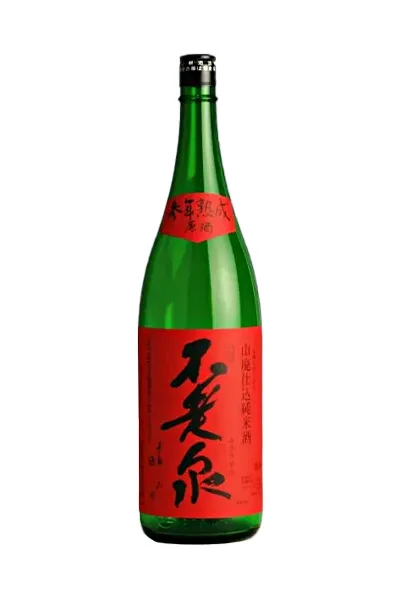
- Furosen Tokubetsu Junmai Yamahai Shikomi Genshu Sannen (Aka)不老泉 特別純米 山廃仕込原酒 参年(赤)
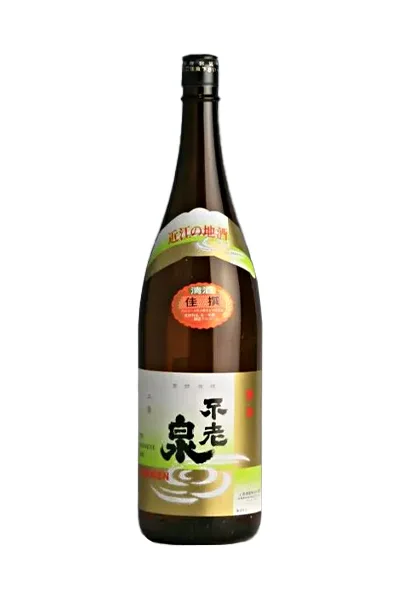
- Furosen Kasen不老泉 佳撰
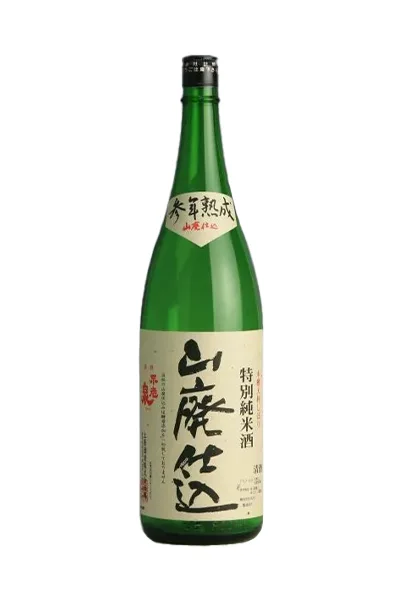
- Furosen Tokubetsu Junmai Yamahai Shikomi Sannen Jukusei不老泉 特別純米 山廃仕込 参年熟成
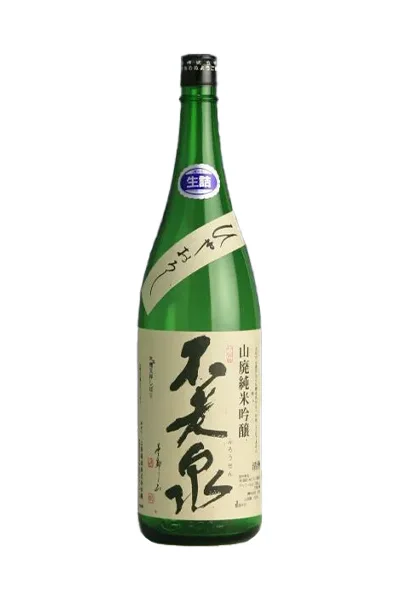
- Furosen Junmai Ginjo Hiyaoroshi不老泉 純米吟醸 ひやおろし
- Furosen Junmai Ginjo Yamahai Shikomi Hiyaoroshi不老泉 純米吟醸 山廃仕込 ひやおろし
- Furosen Yamahai Junmai Ginjo Bizen Omachi Muroka Nama Genshu不老泉 山廃純米吟醸 備前雄町 無濾過生原酒
- Furosen Josen不老泉 上撰
- Furosen Junmai Ginjo Yamahai Shikomi不老泉 純米吟醸 山廃仕込
- Furosen Tokubetsu Junmai Nakagumi不老泉 特別純米 中汲み
- Furosen Junmai Daiginjo Yamahai Shikomi不老泉 純米大吟醸 山廃仕込
- Furosen Tokubetsu Junmai不老泉 特別純米
- Furosen Yamahai Shikomi Junmai Ginjo Nakagumi Muroka Nama Genshu不老泉 山廃仕込 純米吟醸 中汲み 無濾過生原酒