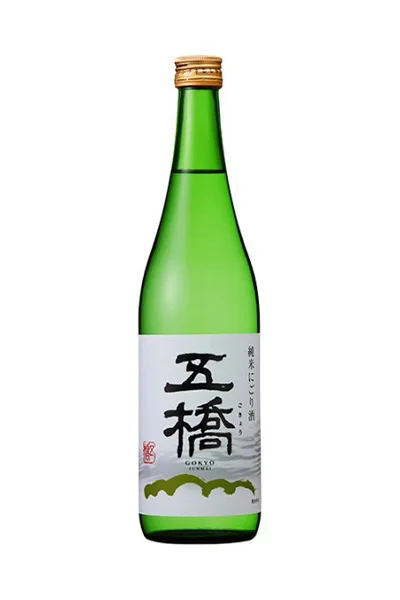
Gokyo Nigori Sake
五橋 にごり酒Rice polished to 60%, unpasteurized (nama), undiluted (genshu), cloudy (nigori)
Gokyo — Sakai Shuzo, Yamaguchi
A winter tradition in a bottle, capturing the bright aromas of new sake.
Specifications
- Type
- Nama Genshu
- Rice
- Not disclosed
- Rice polishing ratio
- 60%40% of each grain polished away
- Yeast
- Not disclosed
- Alcohol
- 17%
- Sake meter value
- -2slightly sweet
How to read these
- Type
- The grade printed on the label. It depends on the ingredients (rice only, or with a little distilled alcohol) and on how far the rice is polished. More
- Rice
- The rice variety. Most premium sake uses varieties grown for brewing, such as Yamada Nishiki. More
- Rice polishing ratio
- How much of each grain is left after polishing. A lower number means more was milled away, which usually gives a lighter, more aromatic sake. More
- Yeast
- The yeast strain, which shapes the aroma. More
- Alcohol
- Alcohol by volume. Most sake is 15–16%; undiluted (genshu) sake is often 17–18%. More
- Sake meter value
- A sweet-to-dry scale. Plus is drier, minus is sweeter. Acidity changes how it tastes, so treat it as a rough guide. More
Flavor profile Full & complex
Full & complex — aromatic and full-bodied, including aged sake. Known in Japan as juku-shu (熟酒).
The description of a vivid aroma and the 60% polishing ratio point to a high aroma profile. SMV -2, nigori texture and 17% alcohol indicate a sweet, rich and full-bodied impression.
Estimated by AI from the published specifications and the brewery's description; your impression may differ.
About
As in every year, "Gokyo Junmai Nigori Sake" is a namazake (unpasteurized sake) that undergoes no pasteurization at all. Because the yeast remains alive, fermentation may continue in the bottle, and the sake may foam over when opened. This season's moromi (fermentation mash) fermented vigorously, so there is a concern that foaming may occur. If fermentation has progressed to the point of overflowing, open the bottle slowly, repeatedly loosening and retightening the cap to release the pressure gradually and avoid spillage. Please open the bottle with care. Thank you for your attention.
Seasonal product (October to April)
Other sake from this brand 18
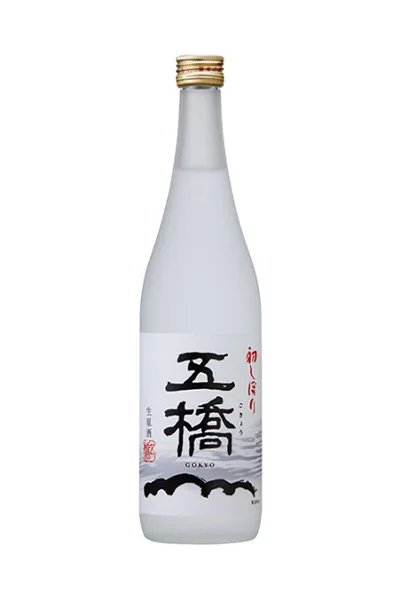
- Gokyo Hatsushibori五橋 初しぼり
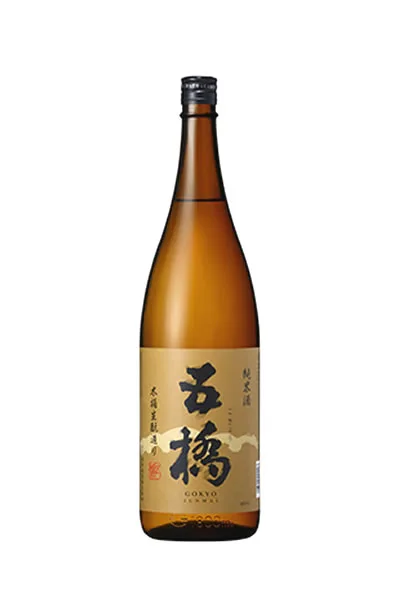
- Gokyo Kioke-zukuri Junmai sake五橋 木桶造り純米酒
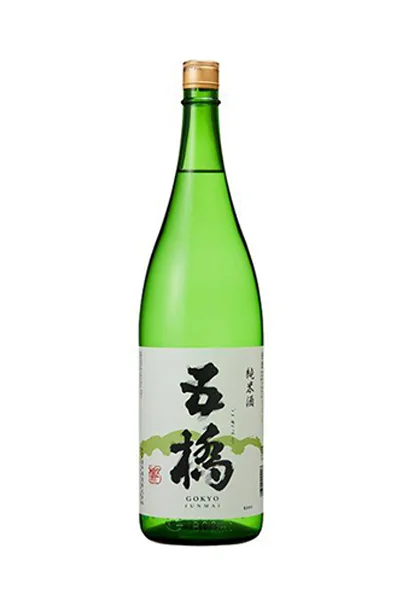
- Gokyo Junmai sake五橋 純米酒
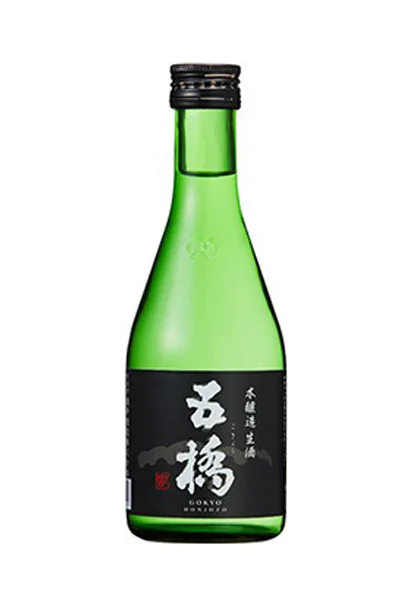
- Gokyo Honjozo Namazake五橋 本醸造 生酒
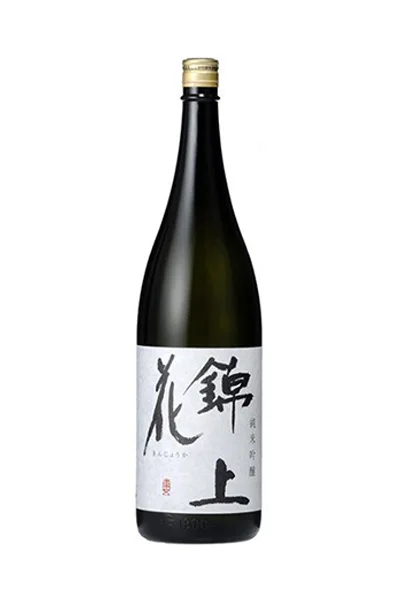
- Gokyo Junmai Ginjo Kinjouka五橋 純米吟醸 錦上花
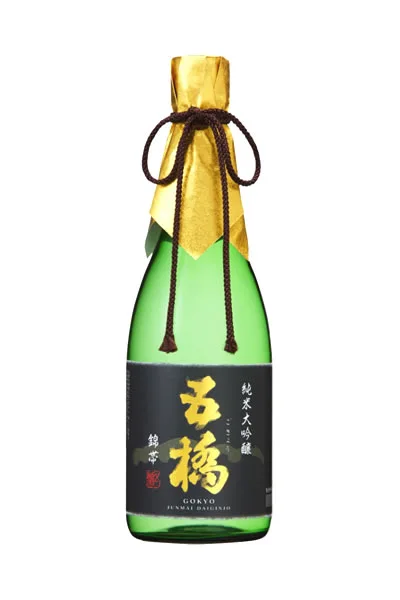
- Gokyo Junmai Daiginjo Kintai Gokyo五橋 純米大吟醸酒 錦帯五橋
- Gokyo Hakuoten五橋 白鴎天
- Gokyo Honjozo Genshu五橋 本醸造原酒
- Gokyo Ise Hikari Daiginjo五橋 イセヒカリ大吟醸
- Gokyo Junmai sake Hana Nara Tsubomi五橋 純米酒 花ならつぼみ
- Gokyo Daiginjo Nigori五橋 大吟醸 にごり酒
- Gokyo Nihon Meimon Shukai Junmai sake五橋 日本名門酒会 純米酒