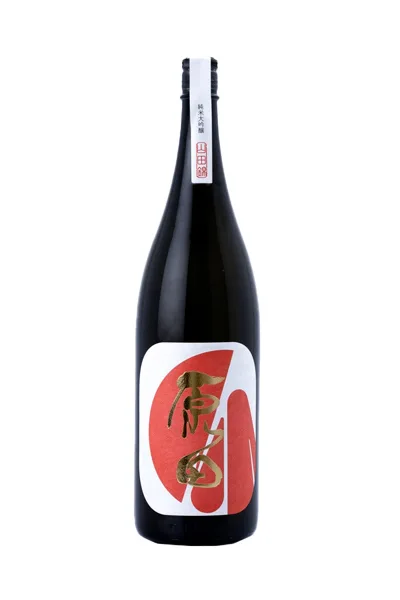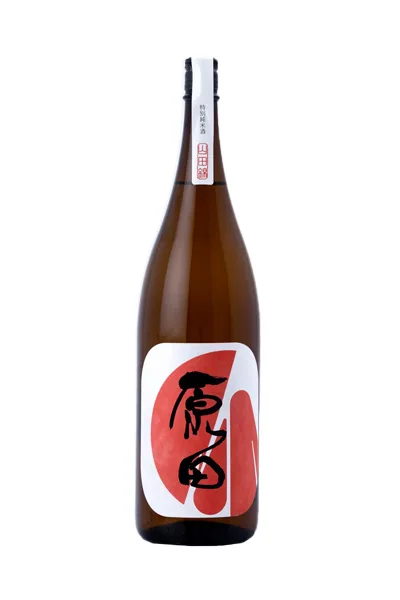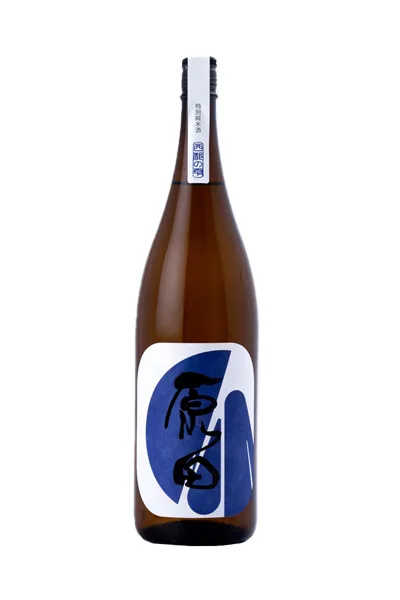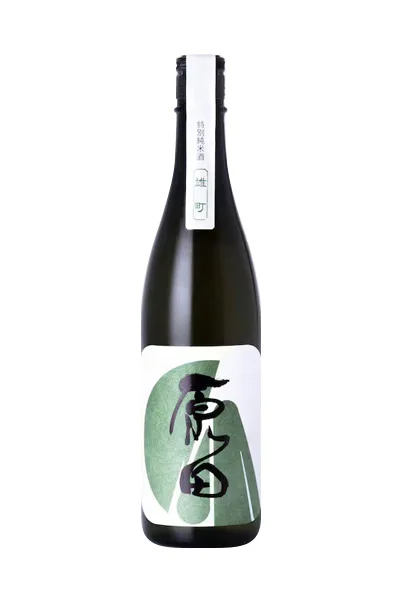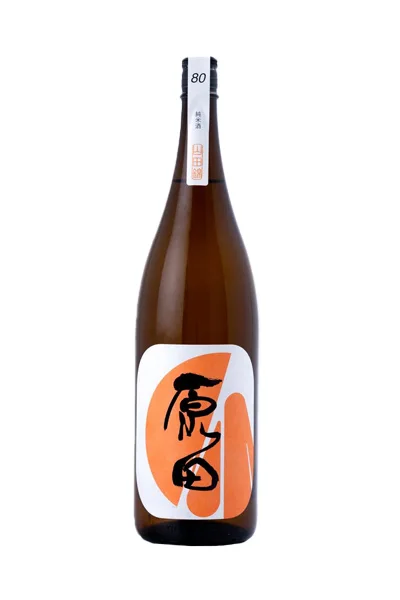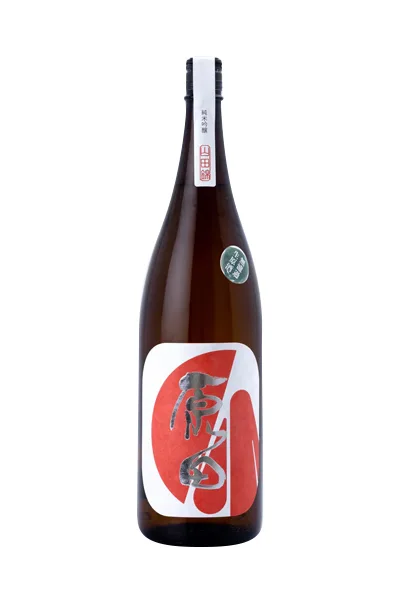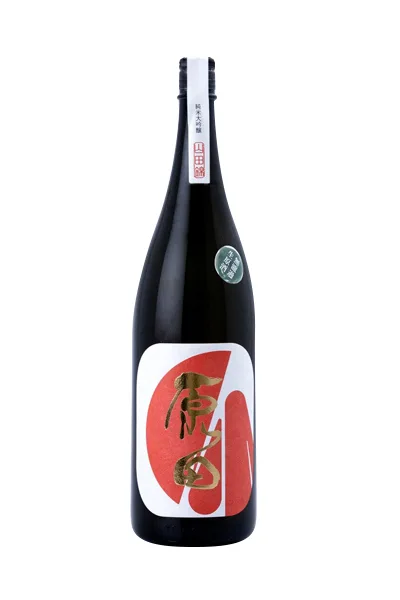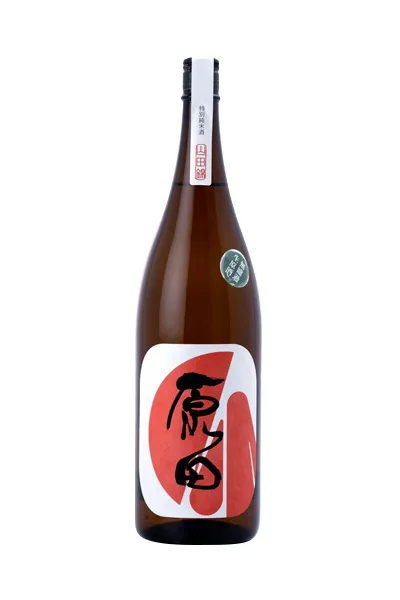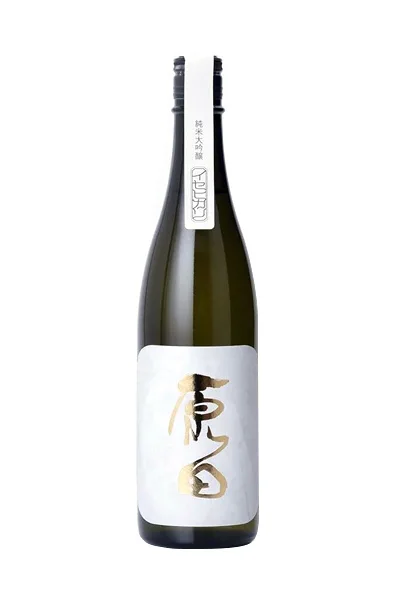
Harada Junmai Daiginjo Ise Hikari
原田 純米大吟醸 イセヒカリJunmai daiginjo, rice polished to 50%
Harada — Hatsumomidi, Yamaguchi
Clean and elegant on the palate, with a lingering umami of rice that becomes habit-forming.
Specifications
- Type
- Junmai Daiginjo
- Rice
- Not disclosed
- Rice polishing ratio
- 50%50% of each grain polished away
- Yeast
- Not disclosed
- Alcohol
- 15%
How to read these
- Type
- The grade printed on the label. It depends on the ingredients (rice only, or with a little distilled alcohol) and on how far the rice is polished. More
- Rice
- The rice variety. Most premium sake uses varieties grown for brewing, such as Yamada Nishiki. More
- Rice polishing ratio
- How much of each grain is left after polishing. A lower number means more was milled away, which usually gives a lighter, more aromatic sake. More
- Yeast
- The yeast strain, which shapes the aroma. More
- Alcohol
- Alcohol by volume. Most sake is 15–16%; undiluted (genshu) sake is often 17–18%. More
Flavor profile Aromatic & light
Aromatic & light — fruity, floral aroma with a light body. Known in Japan as kun-shu (薫酒).
A 50% polished junmai daiginjo at 15% alcohol. The description's floral aroma, clean taste and lingering umami point to high aroma, a light body and a restrained, dry-leaning sweetness.
Estimated by AI from the published specifications and the brewery's description; your impression may differ.
About
Known as a divine rice, Ise Hikari began with two stalks that remained standing after two typhoons flattened the sacred rice paddy at Ise Jingu where Koshihikari was grown. These two stalks were clearly a different variety from Koshihikari. They were said to taste better than Koshihikari, with thicker stems that resist lodging and greater resistance to disease, so they were regarded as a rare and legendary rice (maboroshi no kome) and named Ise Hikari. The Jingu Shicho (Shrine Office) felt that because this was rice received from the gods, it should be cultivated with the utmost reverence, and so it has never been registered as a variety to this day. Hatsumomiji was then fortunate enough to brew sake from Ise Hikari. Hatsumomiji brews throughout the year, but because Ise Hikari has a small harvest, it is brewed only once a year. We hope you will savor it.
Other sake from this brand 15
- Harada Junmai Daiginjo Genshu 35原田 純米大吟醸原酒35
- Harada Junmai Daiginjo Genshu 35 Saito no Shizuku原田 純米大吟醸原酒35 西都の雫
- Harada Junmai Daiginjo原田 純米大吟醸
- Harada Junmai Ginjo原田 純米吟醸
- Harada Tokubetsu Junmai原田 特別純米酒
- Harada Tokubetsu Junmai Saito no Shizuku原田 特別純米酒 西都の雫
- Harada Tokubetsu Junmai Omachi原田 特別純米酒 雄町
- Harada Junmai sake 80原田 純米酒80
- Harada Junmai Ginjo Muroka Nama Genshu原田 純米吟醸 無濾過生原酒
- Harada Junmai Daiginjo Muroka Nama Genshu原田 純米大吟醸 無濾過生原酒
- Harada Tokubetsu Junmai Muroka Nama Genshu原田 特別純米酒 無濾過生原酒
- Harada Junmai Ginjo Arabashiri "Haru"原田 純米吟醸あらばしり「ハル」