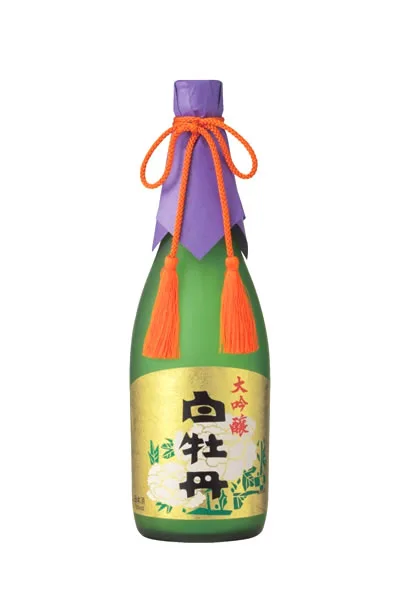
Hakubotan Daiginjo Ichi no Shizuku
白牡丹 大吟醸 いちの雫Daiginjo, Yamada Nishiki rice polished to 40%, drip-pressed from hanging bags (shizuku)
Hakubotan — Hakubotan Shuzo, Hiroshima
Carefully selected sake rice, washed with care and soaked with strict limits on water uptake, then steamed in a traditional koshiki (steaming vessel).
Specifications
- Type
- Daiginjo
- Rice
- Yamada Nishiki
- Rice polishing ratio
- 40%60% of each grain polished away
- Yeast
- Not disclosed
- Alcohol
- 17%
- Sake meter value
- +8very dry
- Acidity
- 1.1
How to read these
- Type
- The grade printed on the label. It depends on the ingredients (rice only, or with a little distilled alcohol) and on how far the rice is polished. More
- Rice
- The rice variety. Most premium sake uses varieties grown for brewing, such as Yamada Nishiki. More
- Rice polishing ratio
- How much of each grain is left after polishing. A lower number means more was milled away, which usually gives a lighter, more aromatic sake. More
- Yeast
- The yeast strain, which shapes the aroma. More
- Alcohol
- Alcohol by volume. Most sake is 15–16%; undiluted (genshu) sake is often 17–18%. More
- Sake meter value
- A sweet-to-dry scale. Plus is drier, minus is sweeter. Acidity changes how it tastes, so treat it as a rough guide. More
- Acidity
- Total acid. Higher tends to taste fuller and drier; lower tastes lighter and sweeter. More
Flavor profile Aromatic & light
Aromatic & light — fruity, floral aroma with a light body. Known in Japan as kun-shu (薫酒).
The 40% polished daiginjo is described with a pronounced top aroma and lingering aroma, indicating a high-aroma profile. An SMV of +8 and low acidity of 1.1 suggest a dry yet soft, light-to-medium body, with 17% alcohol adding some substance and a clean finish.
Estimated by AI from the published specifications and the brewery's description; your impression may differ.
About
Koji is made by the isshomori futa-koji method (lid-koji method, in which each koji lid is managed individually), and the shubo (yeast starter) is grown using high-temperature saccharification to produce a pure starter. Brewed in the depths of winter with Ichi no Mizu water, this carefully selected daiginjo was produced with strict control of the moromi (fermentation mash) throughout. This product is a particularly special daiginjo in which shizuku sake, drawn by bag pressing (fukuro-shibori), has been specially stored in tobin (18-liter vessels), a process known as tobin-gakoi. Enjoy the uwadachi-ka (top aroma) and fukumi-ka (aroma on the palate) characteristic of ginjo sake, along with a solid flavor and a clean finish. Ichi no Shizuku is a sake of Hiroshima Prefecture.
Other sake from this brand 12
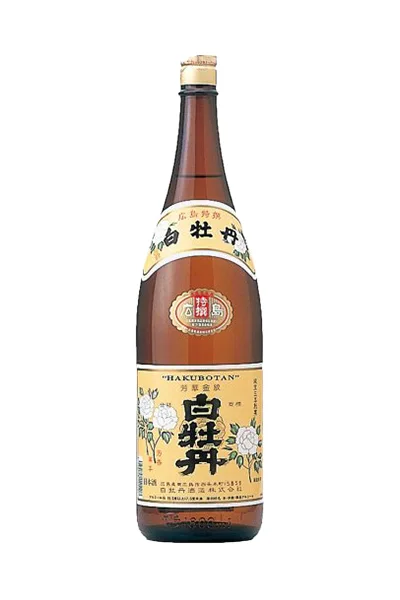
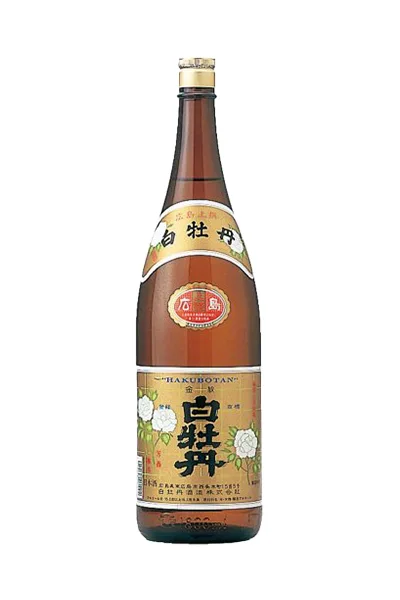
- Hakubotan Kaori Kinmon白牡丹 芳華金紋
- Hakubotan Kinmon白牡丹 金紋
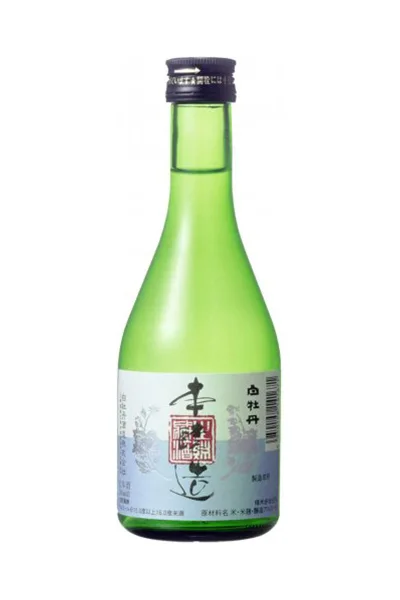
- Hakubotan Honjozo Namachozo白牡丹 本醸造 生貯蔵酒
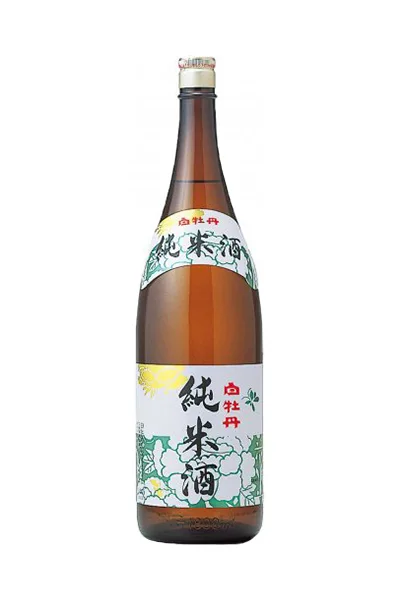
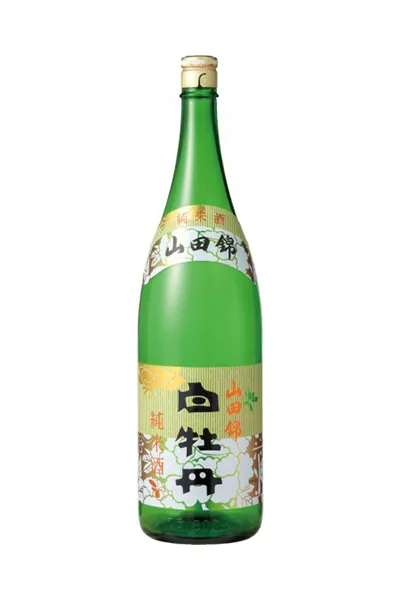
- Hakubotan Junmai Shu白牡丹 純米酒
- Hakubotan Yamada Nishiki Junmai白牡丹 山田錦 純米酒
- Hakubotan Daiginjo白牡丹 大吟醸
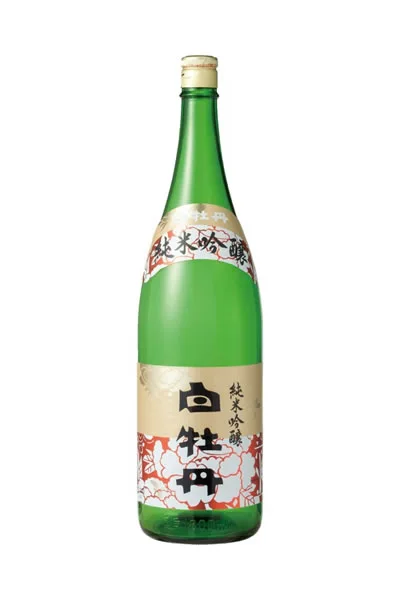
- Hakubotan Junmai Ginjo白牡丹 純米吟醸
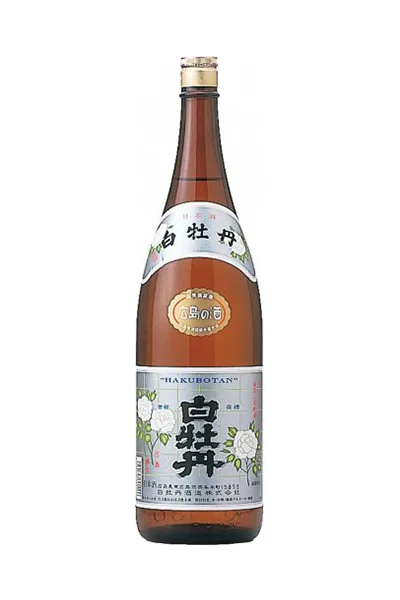
- Hakubotan Hiroshima no Sake白牡丹 広島の酒
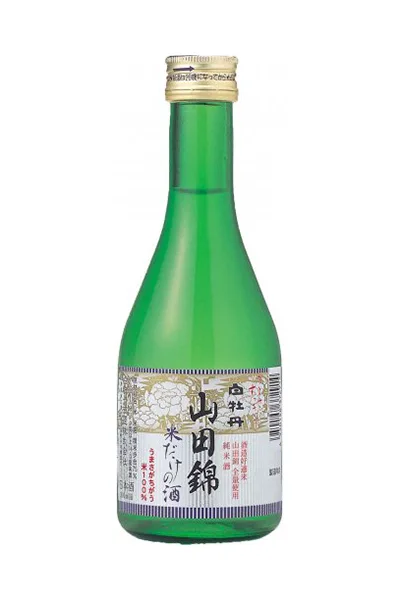
- Hakubotan Yamada Nishiki Kome Dake no Sake白牡丹 山田錦 米だけの酒
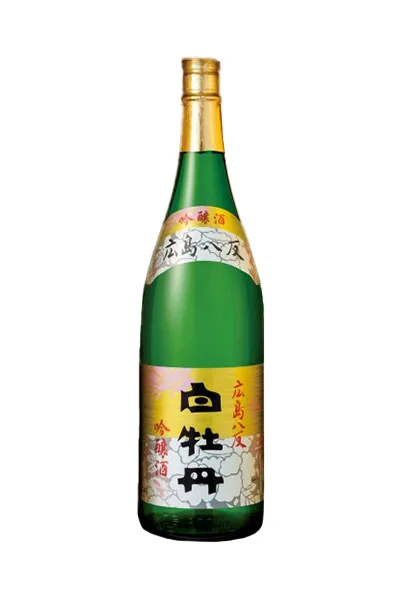
- Hakubotan Hiroshima Hattan Ginjo白牡丹 広島八反 吟醸酒
- Hakubotan Tokubetsu Honjozo Shiboritate Shinshu白牡丹 特別本醸造 しぼりたて 新酒
- Hakubotan Daiginjo Genshu白牡丹 大吟醸 原酒