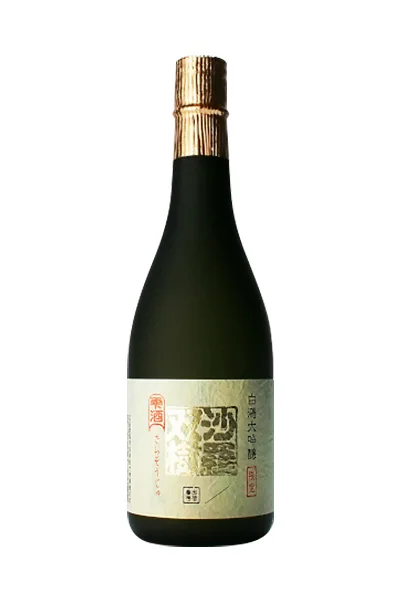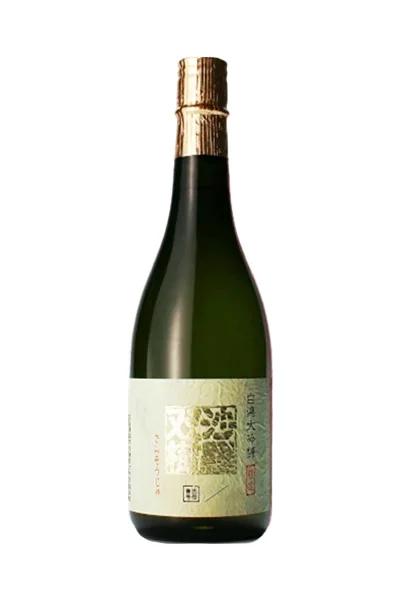
Hakuko Daiginjo Sarasoju
白鴻 大吟醸 沙羅双樹Daiginjo, rice polished to 40%
Hakuko — Morikawa Shuzo, Hiroshima
Brewed from the finest sake rice and fine water, with the full dedication of the toji (master brewer).
Specifications
- Type
- Daiginjo
- Rice
- Not disclosed
- Rice polishing ratio
- 40%60% of each grain polished away
- Yeast
- Not disclosed
- Alcohol
- 17.5%
- Sake meter value
- +5dry
How to read these
- Type
- The grade printed on the label. It depends on the ingredients (rice only, or with a little distilled alcohol) and on how far the rice is polished. More
- Rice
- The rice variety. Most premium sake uses varieties grown for brewing, such as Yamada Nishiki. More
- Rice polishing ratio
- How much of each grain is left after polishing. A lower number means more was milled away, which usually gives a lighter, more aromatic sake. More
- Yeast
- The yeast strain, which shapes the aroma. More
- Alcohol
- Alcohol by volume. Most sake is 15–16%; undiluted (genshu) sake is often 17–18%. More
- Sake meter value
- A sweet-to-dry scale. Plus is drier, minus is sweeter. Acidity changes how it tastes, so treat it as a rough guide. More
Flavor profile Aromatic & light
Aromatic & light — fruity, floral aroma with a light body. Known in Japan as kun-shu (薫酒).
Daiginjo at 40% polishing with SMV +5 and 17.5% alcohol suggests a fragrant, light, and fairly dry profile. Sweetness is restrained, with a clean finish.
Estimated by AI from the published specifications and the brewery's description; your impression may differ.
About
[The Pinnacle of Sake Rice: Yamada Nishiki] All of the sake rice used in the Daiginjo Sarasoju is Yamada Nishiki of top-grade or better, grown in Yokawa-cho in the Special A district of Hyogo Prefecture. When it comes to the finest sake rice, Yamada Nishiki from Hyogo Prefecture comes to mind, and within that, Yokawa-cho is known as the premier production area. [Polishing the Rice Generously] Near the surface of the rice grain are large amounts of protein and fats, which turn into off-flavors in the sake. The center of the grain, by contrast, is made almost entirely of pure starch. For this reason, the rice is milled down so that only the center is used in brewing as far as possible. This is called "polishing the rice" (rice polishing ratio is the measure of how much is milled away). The more the rice is polished, the fewer off-flavor components remain, resulting in a "clean sake." In the case of this Daiginjo Sarasoju, the rice remaining after milling is, remarkably, 40% or less of the weight of the brown rice. In other words, the top-grade Yamada Nishiki is generously polished away by more than 60%. [Suggested Pairings] It pairs well with Japanese cuisine such as grilled white-fleshed fish and sazae (turban shell) sashimi. [Recommended Serving] Enjoy it chilled or at room temperature, according to the dish or your preference.
Other sake from this brand 24
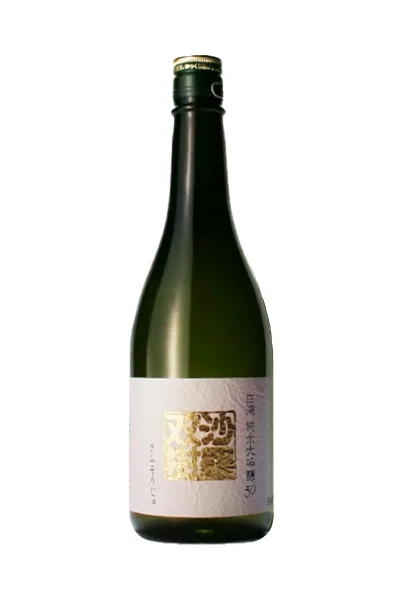
- Hakuko Junmai Daiginjo 50 Sarasoju白鴻 純米大吟醸50 沙羅双樹
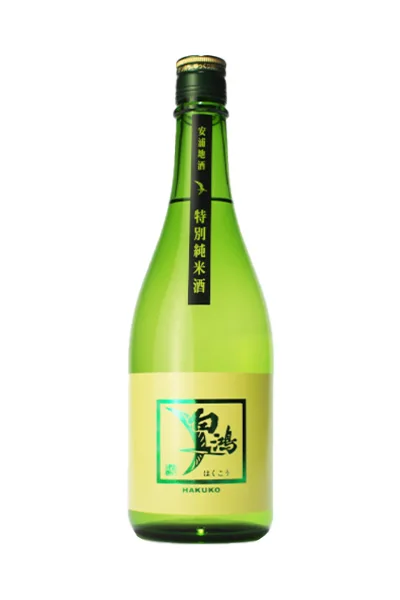
- Hakuko Tokubetsu Junmai白鴻 特別純米酒
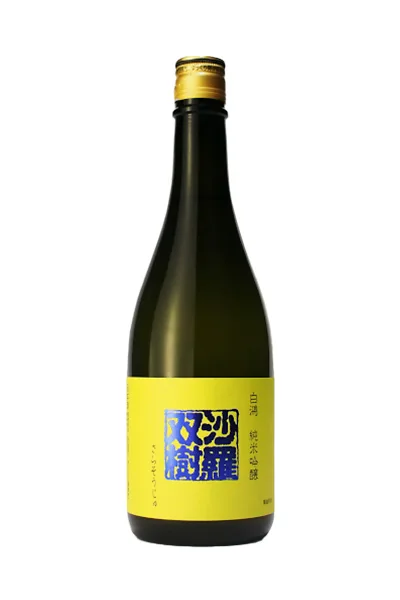
- Hakuko Junmai Ginjo Sarasoju白鴻 純米吟醸 沙羅双樹
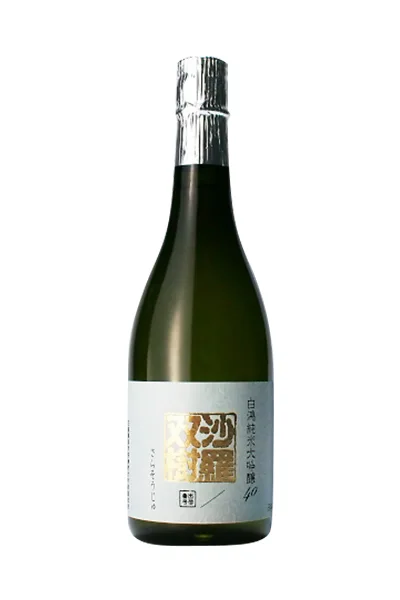
- Hakuko Junmai Daiginjo 40 Sarasoju白鴻 純米大吟醸40 沙羅双樹
- Hakuko Four-stage brewing (yodan jikomi) Junmai Red Label白鴻 四段仕込み純米《赤ラベル》
- Hakuko Daiginjo Sarasoju Shizuku-zake白鴻 大吟醸 沙羅双樹 雫酒
- Hakuko Kura Kiji白鴻 蔵きぢ
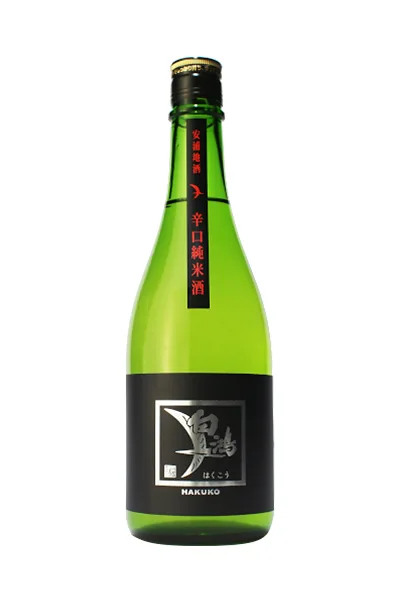
- Hakuko Dry Junmai sake Kuro Label白鴻 辛口純米酒《黒ラベル》
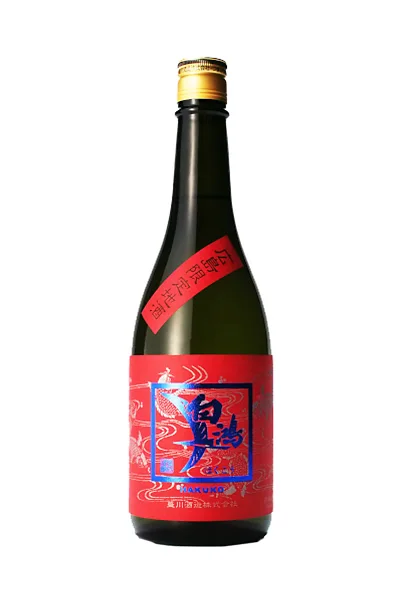
- Hakuko Junmai Ginjo Genshu Koi Label [Hiroshima Limited]白鴻 純米吟醸原酒 鯉ラベル【広島限定】
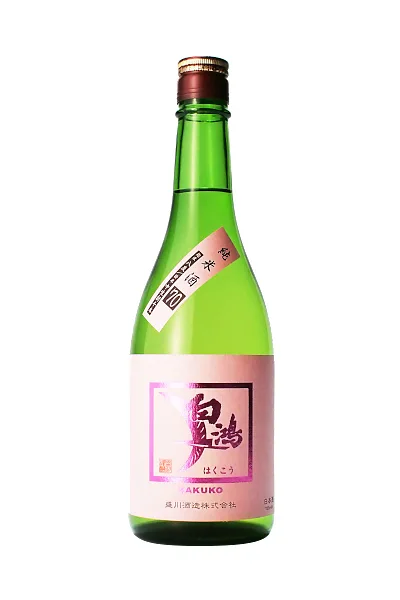
- Hakuko Junmai sake (Momo Label)白鴻 純米酒《桃ラベル》
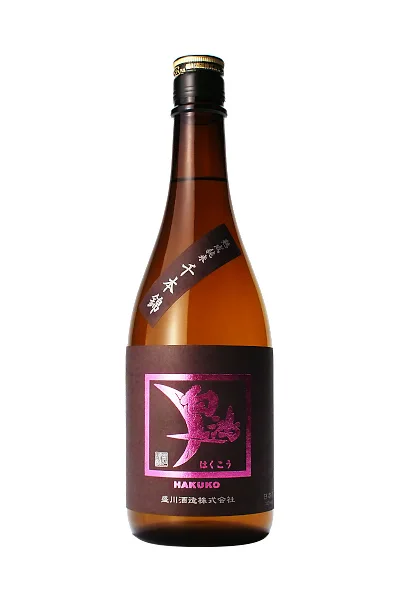
- Hakuko Jukusei Junmai Senbon Nishiki白鴻 熟成純米 千本錦