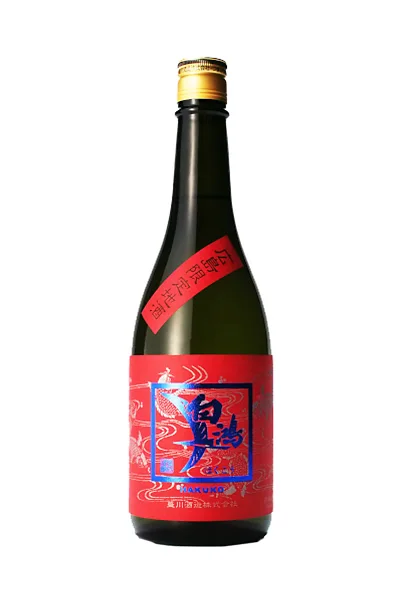
Hakuko Junmai Ginjo Genshu Koi Label [Hiroshima Limited]
白鴻 純米吟醸原酒 鯉ラベル【広島限定】Junmai ginjo, rice polished to 60%, undiluted (genshu), limited edition
Hakuko — Morikawa Shuzo, Hiroshima
A local sake to lift up Hiroshima
Specifications
- Type
- Junmai Ginjo
- Rice
- Domestic rice
- Rice polishing ratio
- 60%40% of each grain polished away
- Yeast
- Mutenka
- Alcohol
- 17%
How to read these
- Type
- The grade printed on the label. It depends on the ingredients (rice only, or with a little distilled alcohol) and on how far the rice is polished. More
- Rice
- The rice variety. Most premium sake uses varieties grown for brewing, such as Yamada Nishiki. More
- Rice polishing ratio
- How much of each grain is left after polishing. A lower number means more was milled away, which usually gives a lighter, more aromatic sake. More
- Yeast
- The yeast strain, which shapes the aroma. More
- Alcohol
- Alcohol by volume. Most sake is 15–16%; undiluted (genshu) sake is often 17–18%. More
Flavor profile Rich & umami
Rich & umami — rice-driven umami and a fuller body. Known in Japan as jun-shu (醇酒).
The description emphasizes rice umami, and the 17% genshu strength with 60% polishing points to a restrained aroma and full body. Soft-water brewing suggests a gentle, mildly sweet and rounded profile.
Estimated by AI from the published specifications and the brewery's description; your impression may differ.
About
The label features a carp (koi) design, with a fiery red base accented by traditional blue. This local sake is made with a heartfelt wish to support Hiroshima and lift its spirits. Brewed using Hiroshima's traditional soft-water (nansui) brewing method, it lets you enjoy the umami of the rice. [Recommended Pairings] It pairs well with seafood from the Seto Inland Sea, such as horse mackerel (aji) sashimi and sake-steamed clams (asari no sakamushi). [Recommended Serving] Enjoy it at any temperature, from chilled sake (hiyazake) to warmed sake (atsukan), according to the dish or your preference.
Other sake from this brand 24
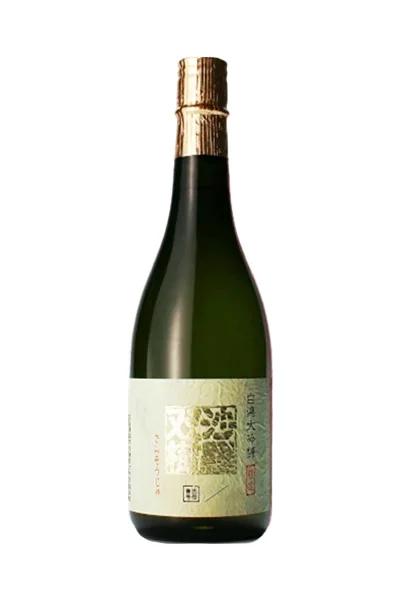
- Hakuko Daiginjo Sarasoju白鴻 大吟醸 沙羅双樹
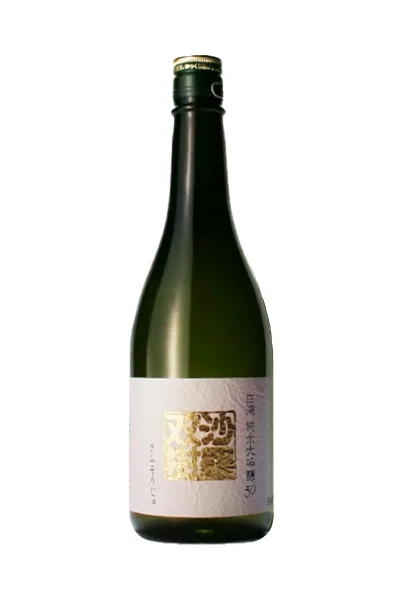
- Hakuko Junmai Daiginjo 50 Sarasoju白鴻 純米大吟醸50 沙羅双樹
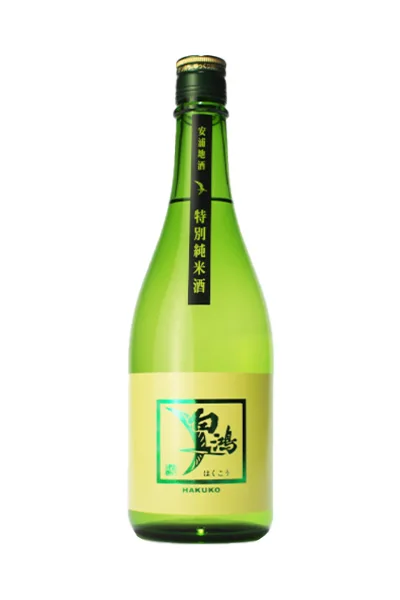
- Hakuko Tokubetsu Junmai白鴻 特別純米酒
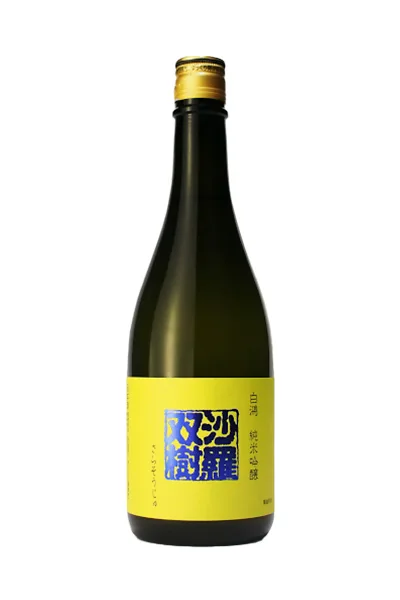
- Hakuko Junmai Ginjo Sarasoju白鴻 純米吟醸 沙羅双樹
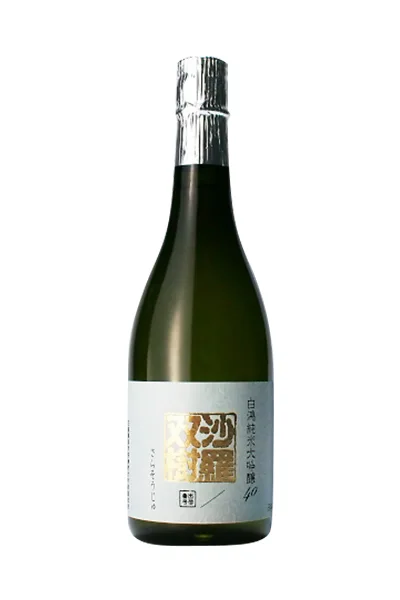
- Hakuko Junmai Daiginjo 40 Sarasoju白鴻 純米大吟醸40 沙羅双樹
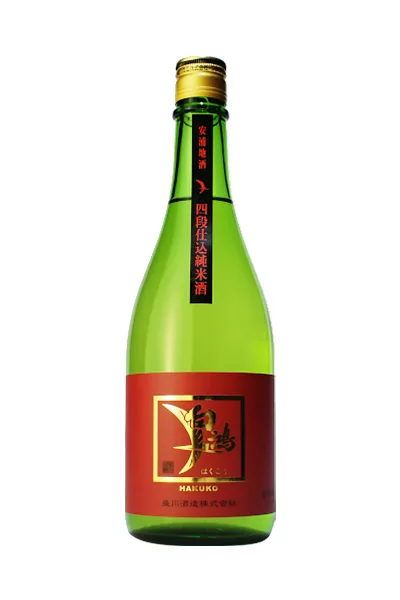
- Hakuko Four-stage brewing (yodan jikomi) Junmai Red Label白鴻 四段仕込み純米《赤ラベル》
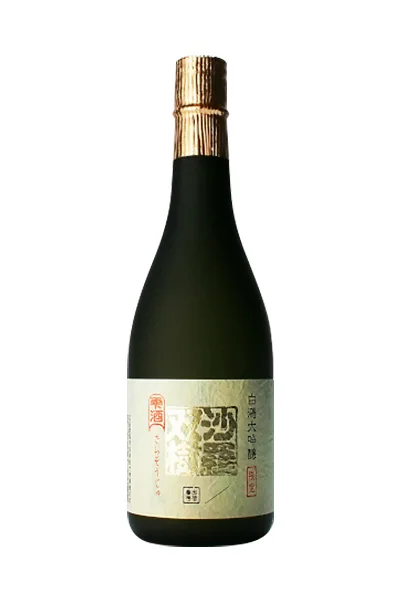
- Hakuko Daiginjo Sarasoju Shizuku-zake白鴻 大吟醸 沙羅双樹 雫酒
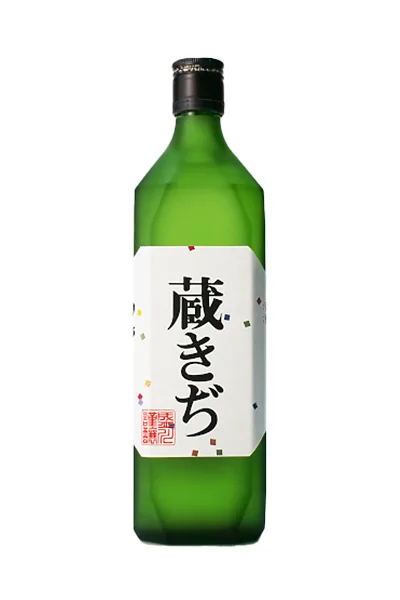
- Hakuko Kura Kiji白鴻 蔵きぢ
- Hakuko Dry Junmai sake Kuro Label白鴻 辛口純米酒《黒ラベル》
- Hakuko Junmai sake (Momo Label)白鴻 純米酒《桃ラベル》
- Hakuko Jukusei Junmai Senbon Nishiki白鴻 熟成純米 千本錦