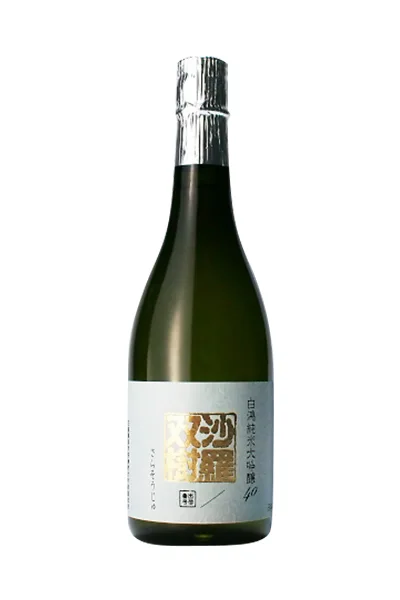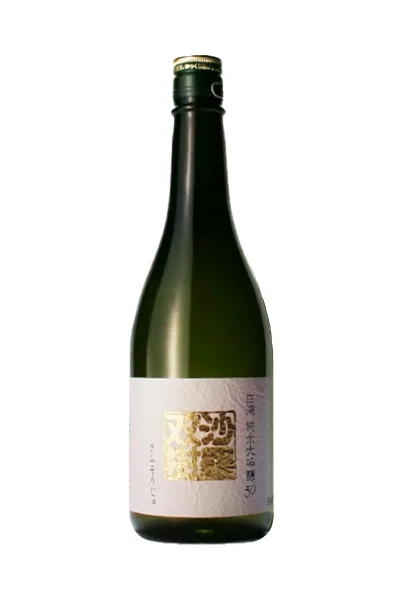
Hakuko Junmai Daiginjo 50 Sarasoju
白鴻 純米大吟醸50 沙羅双樹Junmai daiginjo, Yamada Nishiki rice polished to 50%
Hakuko — Morikawa Shuzo, Hiroshima
A junmai daiginjo made to pair easily with a wide range of meals
Specifications
- Type
- Junmai Daiginjo
- Rice
- Yamada Nishiki
- Rice polishing ratio
- 50%50% of each grain polished away
- Yeast
- Not disclosed
- Alcohol
- 16.5%
- Sake meter value
- +6very dry
How to read these
- Type
- The grade printed on the label. It depends on the ingredients (rice only, or with a little distilled alcohol) and on how far the rice is polished. More
- Rice
- The rice variety. Most premium sake uses varieties grown for brewing, such as Yamada Nishiki. More
- Rice polishing ratio
- How much of each grain is left after polishing. A lower number means more was milled away, which usually gives a lighter, more aromatic sake. More
- Yeast
- The yeast strain, which shapes the aroma. More
- Alcohol
- Alcohol by volume. Most sake is 15–16%; undiluted (genshu) sake is often 17–18%. More
- Sake meter value
- A sweet-to-dry scale. Plus is drier, minus is sweeter. Acidity changes how it tastes, so treat it as a rough guide. More
Flavor profile Aromatic & light
Aromatic & light — fruity, floral aroma with a light body. Known in Japan as kun-shu (薫酒).
Polishing to 50% with Yamada Nishiki and an SMV of +6 point to a calm, refined aroma and a crisp, dry, light-bodied profile, consistent with the description of restrained scent and a sharp finish.
Estimated by AI from the published specifications and the brewery's description; your impression may differ.
About
This junmai daiginjo has an elegant, restrained aroma and a light, clean palate. It is brewed with careful attention to balance with food, and offers a gentle aroma with a crisp, clean finish. The Finest Sake Rice: Yamada Nishiki All of the sake rice used for the junmai daiginjo Sarasoju is Yamada Nishiki of special grade or higher, grown in the Special A district of Hyogo Prefecture in Yokawa-cho. Yamada Nishiki from Hyogo is widely regarded as the finest sake rice, and Yokawa-cho is known as the most highly regarded production area within it. This Yamada Nishiki is polished to a rice polishing ratio of 50%. Food Pairings It pairs well with a wide variety of dishes, including tempura of fish and shellfish, kushiage (skewered and deep-fried foods), roast duck, and simmered hamaguri clams. Suggested Serving Enjoy it chilled or at room temperature, according to the dish and your preference.
Other sake from this brand 24
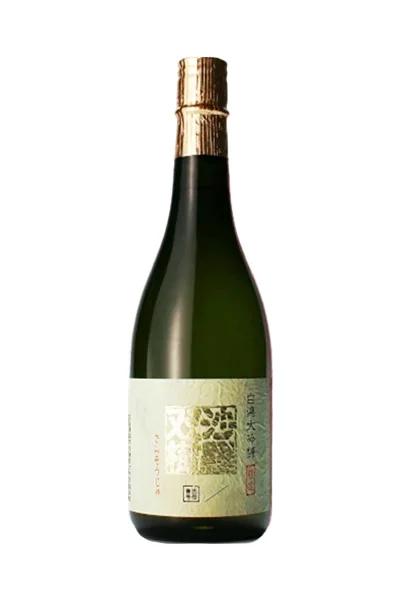
- Hakuko Daiginjo Sarasoju白鴻 大吟醸 沙羅双樹
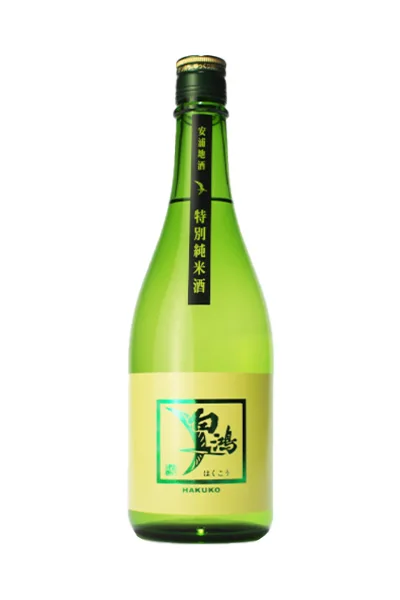
- Hakuko Tokubetsu Junmai白鴻 特別純米酒
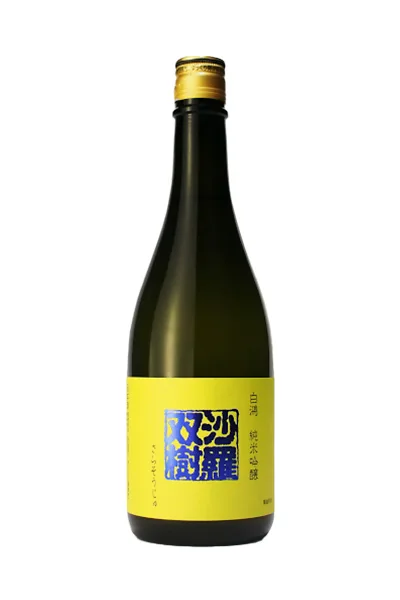
- Hakuko Junmai Ginjo Sarasoju白鴻 純米吟醸 沙羅双樹
- Hakuko Junmai Daiginjo 40 Sarasoju白鴻 純米大吟醸40 沙羅双樹
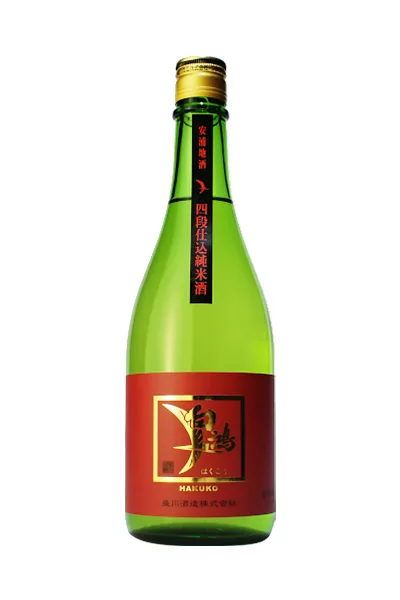
- Hakuko Four-stage brewing (yodan jikomi) Junmai Red Label白鴻 四段仕込み純米《赤ラベル》
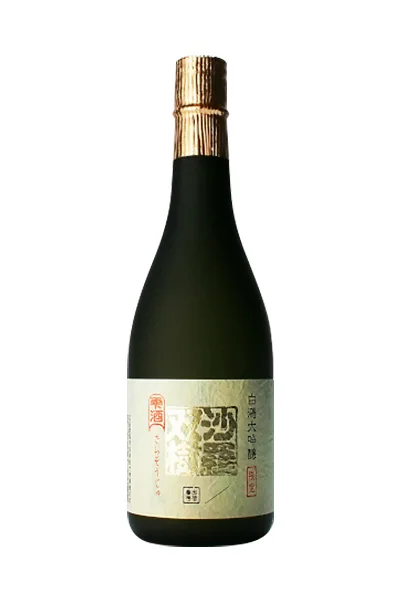
- Hakuko Daiginjo Sarasoju Shizuku-zake白鴻 大吟醸 沙羅双樹 雫酒
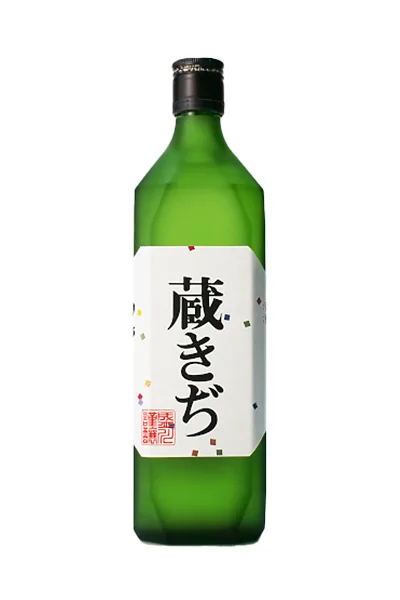
- Hakuko Kura Kiji白鴻 蔵きぢ
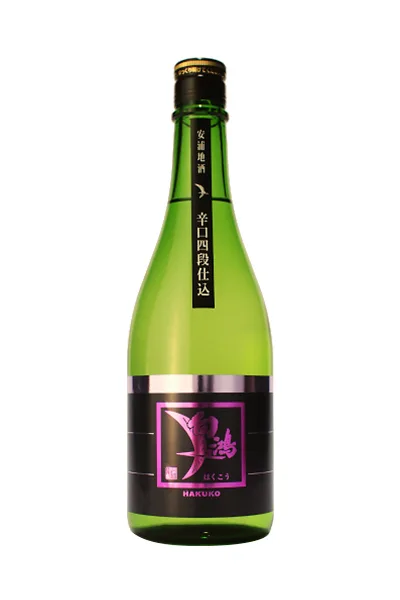
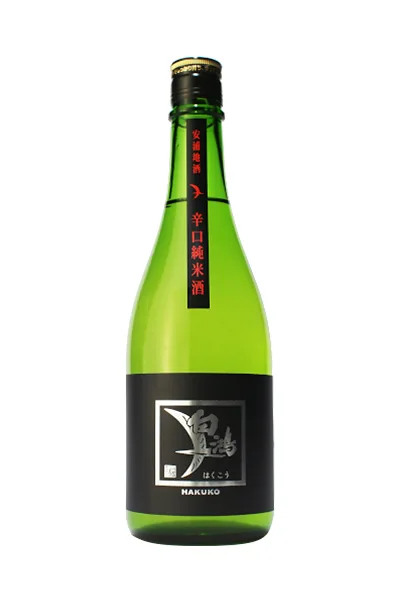
- Hakuko Dry Junmai sake Kuro Label白鴻 辛口純米酒《黒ラベル》
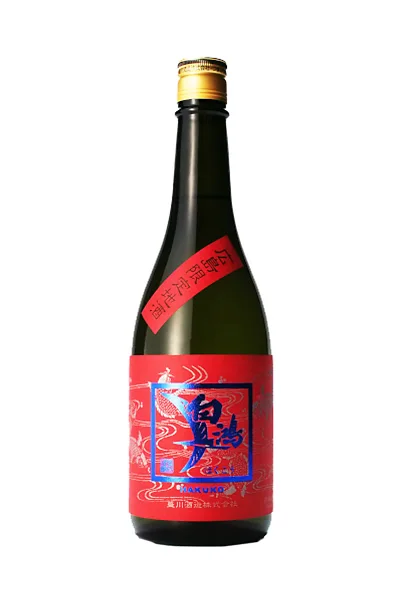
- Hakuko Junmai Ginjo Genshu Koi Label [Hiroshima Limited]白鴻 純米吟醸原酒 鯉ラベル【広島限定】
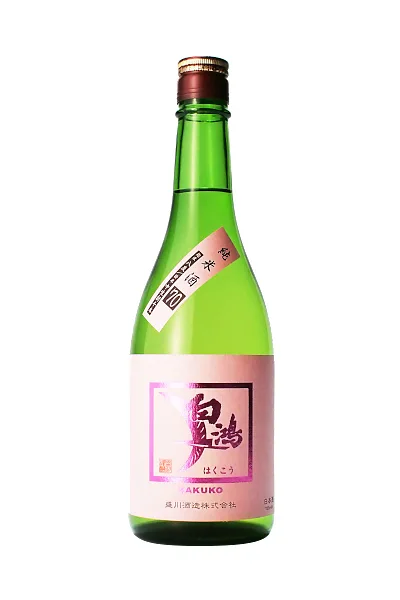
- Hakuko Junmai sake (Momo Label)白鴻 純米酒《桃ラベル》
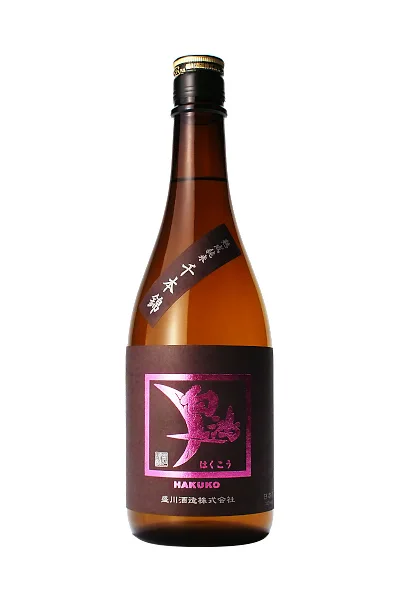
- Hakuko Jukusei Junmai Senbon Nishiki白鴻 熟成純米 千本錦