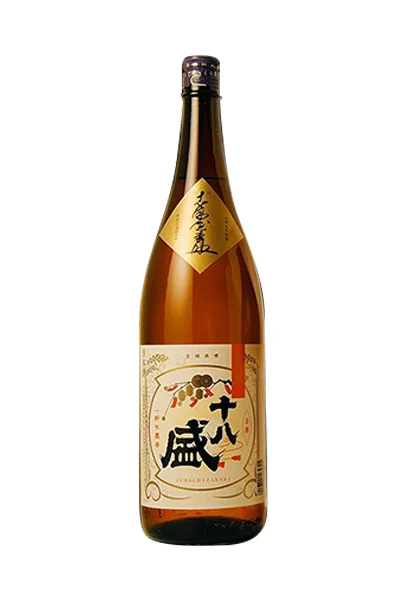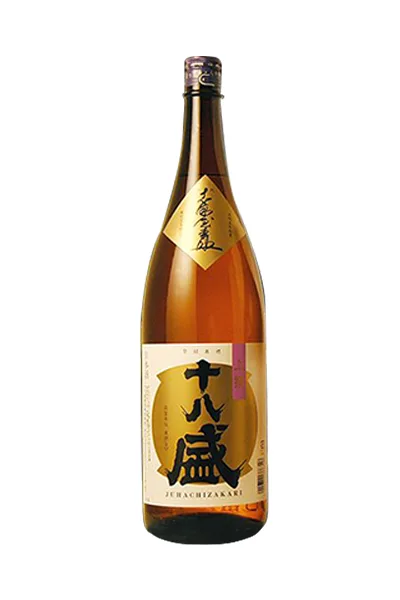
Juhachizakari Josen
十八盛 上撰Futsushu (table sake), rice polished to 65%, brewery's upper tier (josen)
Juhachizakari — Juhachizakari Shuzo, Okayama
A smooth, refined taste, enjoyed warmed or chilled, and the perfect companion for your nightly drink.
Specifications
- Type
- Futsushu
- Rice
- Not disclosed
- Rice polishing ratio
- 65%35% of each grain polished away
- Yeast
- Not disclosed
- Alcohol
- 14.8%
- Sake meter value
- -4sweet
How to read these
- Type
- The grade printed on the label. It depends on the ingredients (rice only, or with a little distilled alcohol) and on how far the rice is polished. More
- Rice
- The rice variety. Most premium sake uses varieties grown for brewing, such as Yamada Nishiki. More
- Rice polishing ratio
- How much of each grain is left after polishing. A lower number means more was milled away, which usually gives a lighter, more aromatic sake. More
- Yeast
- The yeast strain, which shapes the aroma. More
- Alcohol
- Alcohol by volume. Most sake is 15–16%; undiluted (genshu) sake is often 17–18%. More
- Sake meter value
- A sweet-to-dry scale. Plus is drier, minus is sweeter. Acidity changes how it tastes, so treat it as a rough guide. More
Flavor profile Clean & dry
Clean & dry — restrained aroma, crisp and refreshing. Known in Japan as so-shu (爽酒).
The negative SMV (-4) and the description of a slightly sweet, refreshing umami-style taste point to restrained aroma, light body and gentle sweetness. The 65% polishing and 14.8% alcohol support a soft, approachable profile.
Estimated by AI from the published specifications and the brewery's description; your impression may differ.
About
Brewed with rice grown in Okayama Prefecture. This sake embodies nojun umakuchi (農淳旨口), the defining character of Juhachizakari. Josen is made from highly polished Asahi rice and brewed into a refreshing umakuchi style. Its palate is gently sweet and easy to drink, with a smooth, refreshing throat feel. The lingering aftertaste is a soft, subtle sweetness. It is neither sweet nor dry, and we deliberately call it umakuchi. Carrying forward the traditional flavor cultivated over a history that began when the first-generation Shiboya Kosuke founded the brewery in 1785 (Tenmei 5), it also offers a new taste for today. It is made to be enjoyed warmed (kan).
Other sake from this brand 7
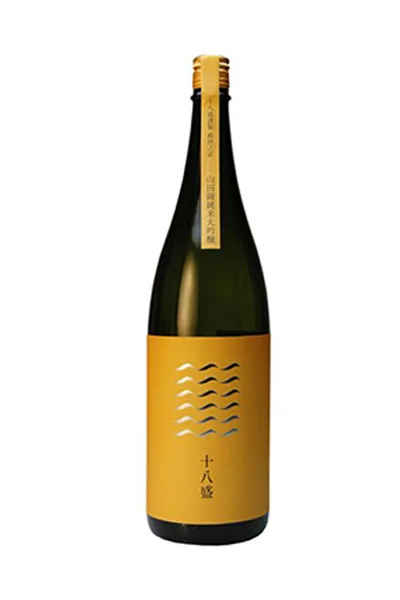
- Juhachizakari Yamada Nishiki Junmai Daiginjo十八盛 山田錦 純米大吟醸
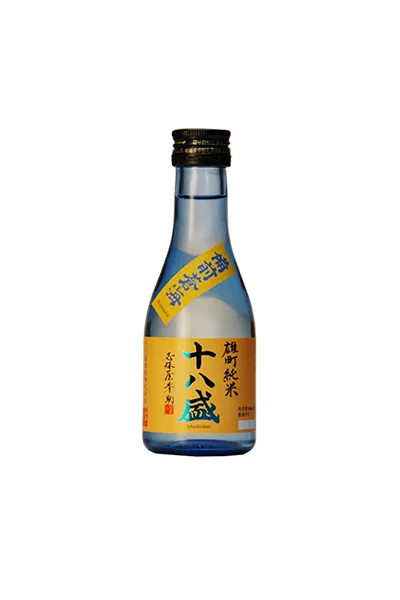
- Juhachizakari Omachi Junmai Bizen Soukai十八盛 雄町 純米 備前蒼海
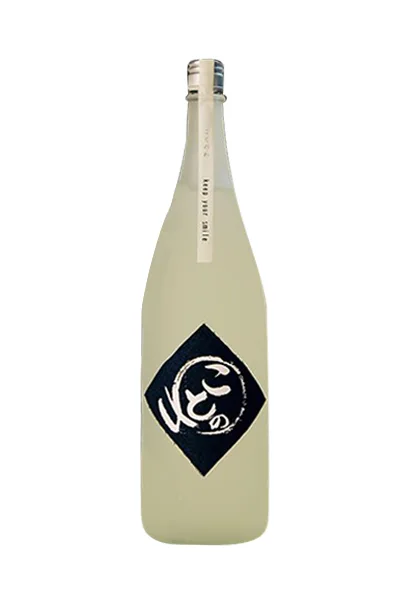
- Juhachizakari Kotonowa十八盛 ことのわ
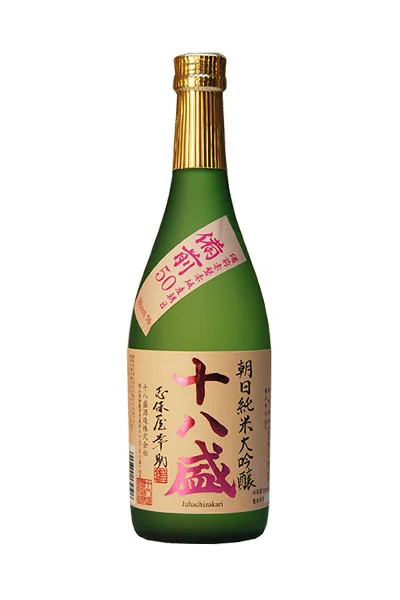
- Juhachizakari Asahi Junmai Daiginjo Bizen 50十八盛 朝日 純米大吟醸 備前 50
- Juhachizakari Kinmon十八盛 金紋
- Juhachizakari Junmai Shiboritate Muroka Nama Genshu十八盛 純米しぼりたて 無濾過 生原酒
- Juhachizakari Yamahai Junmai Omachi Seirahime十八盛 山廃純米 雄町 青螺姫