Kaika Tokubetsu Junmai Kassei Nigori
開華 特別純米酒 活性にごり酒Tokubetsu junmai, rice polished to 59%, cloudy and naturally sparkling
Kaika — Daiichi Shuzo, Tochigi
A rich, lightly cloudy genshu with a gentle sparkle.
Specifications
- Type
- Tokubetsu Junmai
- Rice
- Not disclosed
- Rice polishing ratio
- 59%41% of each grain polished away
- Yeast
- Not disclosed
- Alcohol
- 17%
- Sake meter value
- -10very sweet
- Acidity
- 1.5
How to read these
- Type
- The grade printed on the label. It depends on the ingredients (rice only, or with a little distilled alcohol) and on how far the rice is polished. More
- Rice
- The rice variety. Most premium sake uses varieties grown for brewing, such as Yamada Nishiki. More
- Rice polishing ratio
- How much of each grain is left after polishing. A lower number means more was milled away, which usually gives a lighter, more aromatic sake. More
- Yeast
- The yeast strain, which shapes the aroma. More
- Alcohol
- Alcohol by volume. Most sake is 15–16%; undiluted (genshu) sake is often 17–18%. More
- Sake meter value
- A sweet-to-dry scale. Plus is drier, minus is sweeter. Acidity changes how it tastes, so treat it as a rough guide. More
- Acidity
- Total acid. Higher tends to taste fuller and drier; lower tastes lighter and sweeter. More
Flavor profile Rich & umami
Rich & umami — rice-driven umami and a fuller body. Known in Japan as jun-shu (醇酒).
A sake-do of -10 and 17% alcohol from an undiluted genshu point to a rich, notably sweet profile. The nigori texture and lively sparkle add body, while the aroma stays restrained.
Estimated by AI from the published specifications and the brewery's description; your impression may differ.
About
Kassei nigorizake (live-yeast nigori sake) is sake bottled while the yeast is still active, and it is sparkling because of the carbon dioxide the yeast produces. Because the yeast keeps producing carbon dioxide, the pressure inside the bottle is high, and the sake may overflow when the bottle is opened. Please handle with care. It is also a limited sake that is available only in winter.
Other sake from this brand 15
- Kaika Junmai sake開華 純米酒
- Kaika Junmai Ginjo Kaze no Ichirin開華 純米吟醸 風の一輪
- Kaika Tokubetsu Junmai Genshu Migaki Takekawa Zutsumi開華 特別純米原酒 みがき 竹皮包
- Kaika Daiginjo Kinsho Jushoshu開華 大吟醸 金賞受賞酒
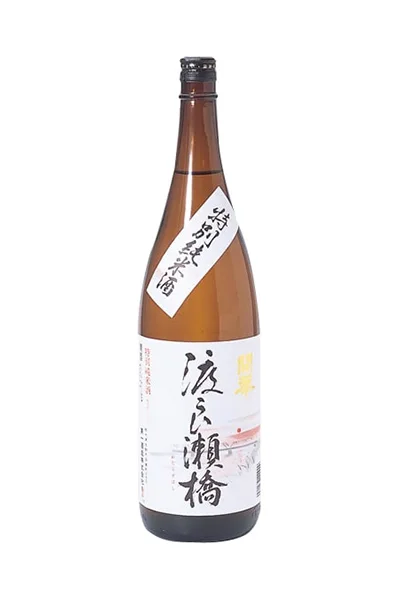
- Kaika Tokubetsu Junmai Watarase-bashi開華 特別純米酒 渡良瀬橋
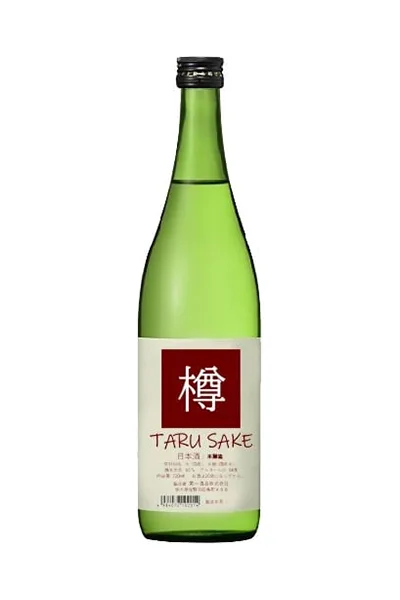
- Kaika Taruzake開華 樽酒
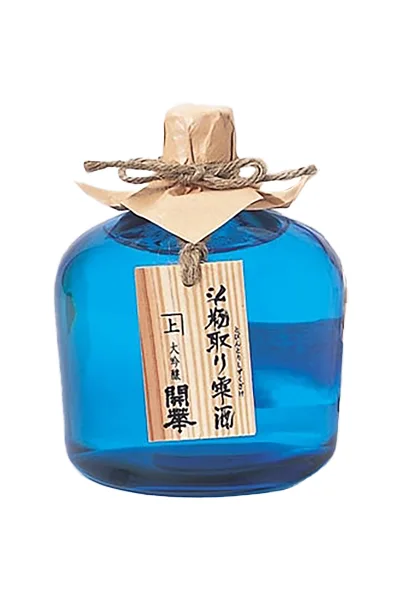
- Kaika Daiginjo Tobin-dori Shizuku-zake Aobin開華 大吟醸 斗瓶取り雫酒 青瓶
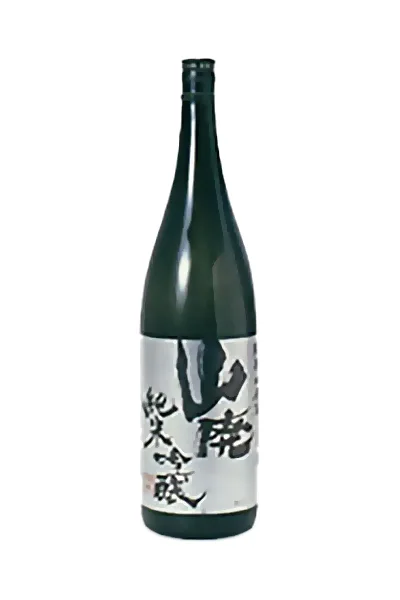
- Kaika Yamahai Junmai Ginjo開華 山廃純米吟醸
- Kaika Honjozo Arabashiri Muroka Nama Genshu開華 本醸造 あらばしり 無濾過無加水 生原酒
- Kaika Daiginjo開華 大吟醸
- Kaika Daiginjo Tobin-dori Shizuku-zake開華 大吟醸 斗瓶取り 雫酒
- Kaika Junmai Daiginjo A Movement開華 純米大吟醸 A Movement