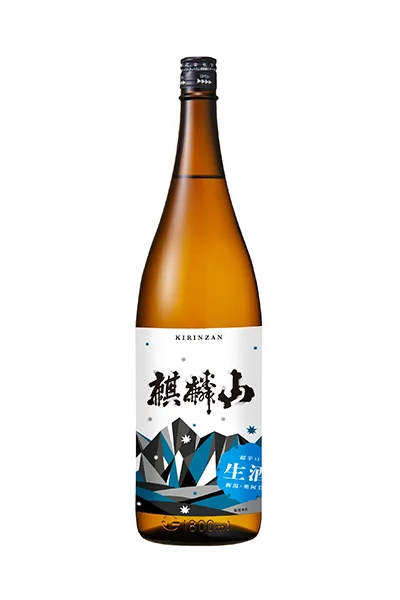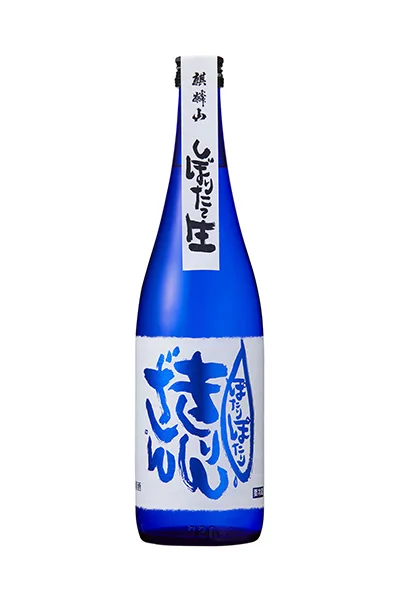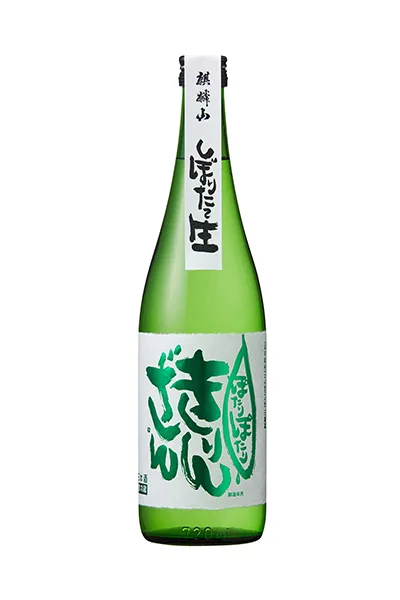
Kirinzan Potari Potari <Gohyakumangoku>
麒麟山 ぽたりぽたり〈五百万石〉Junmai ginjo, Gohyakumangoku rice polished to 55%, unpasteurized (nama), undiluted (genshu)
Kirinzan — Kirinzan Shuzo, Niigata
Freshly pressed nama genshu, the first new sake of the brewing year.
Specifications
- Type
- Junmai Ginjo
- Rice
- Gohyakumangoku
- Rice polishing ratio
- 55%45% of each grain polished away
- Yeast
- Not disclosed
- Alcohol
- 16–17%
How to read these
- Type
- The grade printed on the label. It depends on the ingredients (rice only, or with a little distilled alcohol) and on how far the rice is polished. More
- Rice
- The rice variety. Most premium sake uses varieties grown for brewing, such as Yamada Nishiki. More
- Rice polishing ratio
- How much of each grain is left after polishing. A lower number means more was milled away, which usually gives a lighter, more aromatic sake. More
- Yeast
- The yeast strain, which shapes the aroma. More
- Alcohol
- Alcohol by volume. Most sake is 15–16%; undiluted (genshu) sake is often 17–18%. More
Flavor profile Full & complex
Full & complex — aromatic and full-bodied, including aged sake. Known in Japan as juku-shu (熟酒).
The ripe melon aroma and vivid umami in the description, together with the 16-17% genshu nama specification, point to a high-aroma, full-bodied style. Sweetness is moderate, implied by the fruity profile rather than stated outright.
Estimated by AI from the published specifications and the brewery's description; your impression may differ.
About
A refreshing aroma of ripe melon leads to a vivid umami that spreads across the palate. This is a fresh new sake made from new rice, bottled as freshly pressed nama genshu. Chill well before drinking. (Refrigeration required.) "Potari Potari <Gohyakumangoku>" and its sister label "Potari Potari <Koshitanrei>" (shipped from the brewery in January) are freshly pressed Junmai Ginjo nama genshu that let you taste the difference the rice variety makes. Both are sake rice varieties developed in Niigata, and both are grown by local farmers and kurabito (brewery workers). Chill well before drinking. Recommended serving temperature ◎: 10°C
Other sake from this brand 18
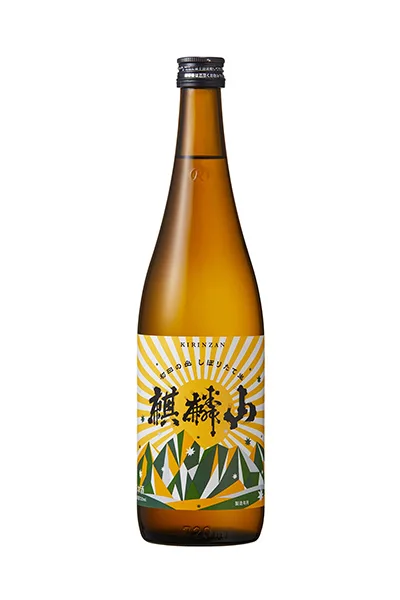
- Kirinzan Hatsuhinode麒麟山 初日の出
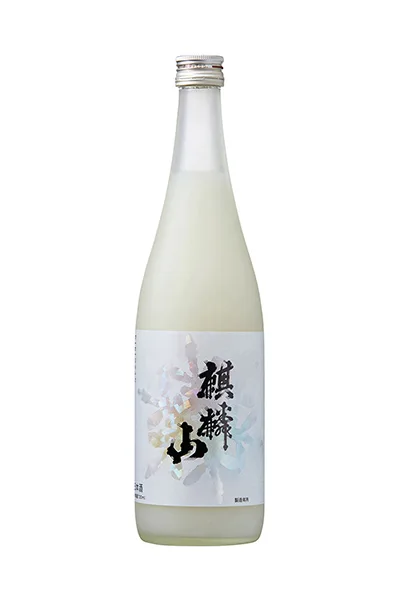
- Kirinzan Nagori Yuki麒麟山 なごり雪
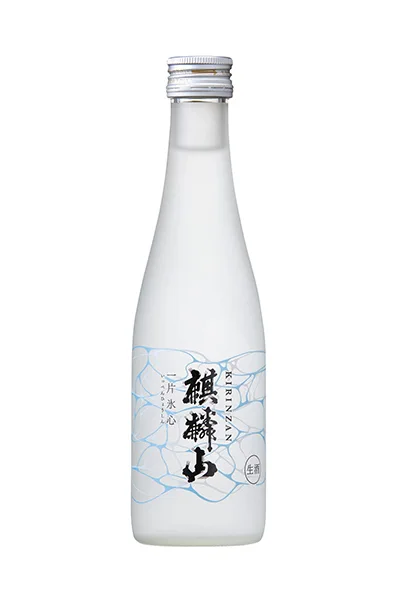
- Kirinzan Ippen Hyoshin麒麟山 一片氷心
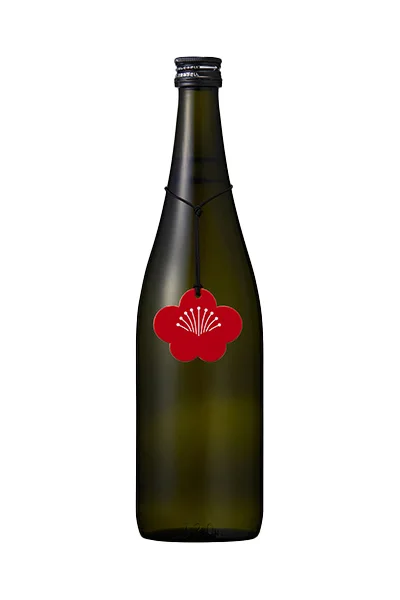
- Kirinzan Umeshu Namazume麒麟山 梅酒《生詰》
- Kirinzan Hibachi麒麟山 火鉢
- Kirinzan Yawaraka麒麟山 やわらか
- Kirinzan Nagareboshi麒麟山 ながれぼし
- Kirinzan Cho-karakuchi Namazake麒麟山 超辛口〈生酒〉
- Kirinzan Kin Unmo麒麟山 金雲母
- Kirinzan Potari Potari <Koshitanrei>麒麟山 ぽたりぽたり〈越淡麗〉
- Kirinzan Momiji <Kin> Choki Jukusei-shu麒麟山 紅葉<金> 20年以上長期熟成酒
- Kirinzan Dentou Dry Genshu麒麟山 伝統辛口〈原酒〉