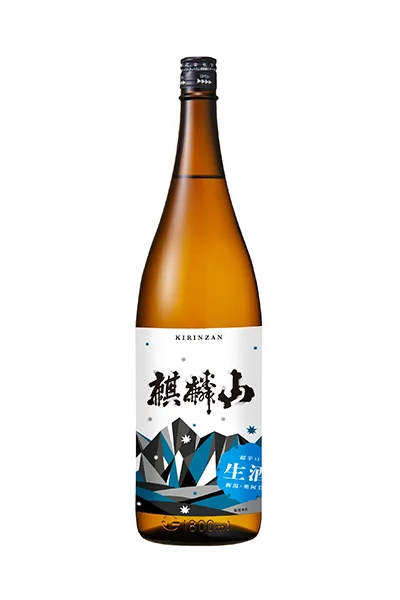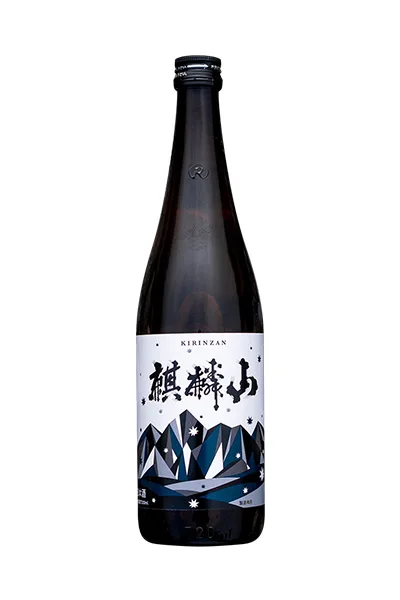
Kirinzan Cho-karakuchi
麒麟山 超辛口Daiginjo, rice polished to 45%, extra dry
Kirinzan — Kirinzan Shuzo, Niigata
Clean and crisp, with a superb finish.
Specifications
- Type
- Daiginjo
- Rice
- Not disclosed
- Rice polishing ratio
- 45%55% of each grain polished away
- Yeast
- Not disclosed
- Alcohol
- 15%
- Sake meter value
- +4dry
- Acidity
- 1.3
How to read these
- Type
- The grade printed on the label. It depends on the ingredients (rice only, or with a little distilled alcohol) and on how far the rice is polished. More
- Rice
- The rice variety. Most premium sake uses varieties grown for brewing, such as Yamada Nishiki. More
- Rice polishing ratio
- How much of each grain is left after polishing. A lower number means more was milled away, which usually gives a lighter, more aromatic sake. More
- Yeast
- The yeast strain, which shapes the aroma. More
- Alcohol
- Alcohol by volume. Most sake is 15–16%; undiluted (genshu) sake is often 17–18%. More
- Sake meter value
- A sweet-to-dry scale. Plus is drier, minus is sweeter. Acidity changes how it tastes, so treat it as a rough guide. More
- Acidity
- Total acid. Higher tends to taste fuller and drier; lower tastes lighter and sweeter. More
Flavor profile Clean & dry
Clean & dry — restrained aroma, crisp and refreshing. Known in Japan as so-shu (爽酒).
The description's clean, sharp finish and light character, together with SMV +4 and acidity 1.3, point to a dry, light body. Despite its daiginjo classification, the restrained aroma suggests a subdued profile rather than a fruity one.
Estimated by AI from the published specifications and the brewery's description; your impression may differ.
About
An ultimate Tanrei (light, clean-style) sake in which a pleasant umami gives way to a gradually building dryness. Its flavor opens up further when warmed to 55°C. Recommended serving temperatures ◎: 55°C ○: 20°C ○: 10°C
Other sake from this brand 18
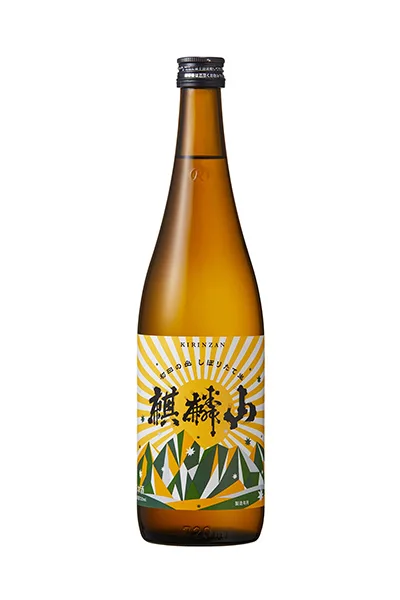
- Kirinzan Hatsuhinode麒麟山 初日の出
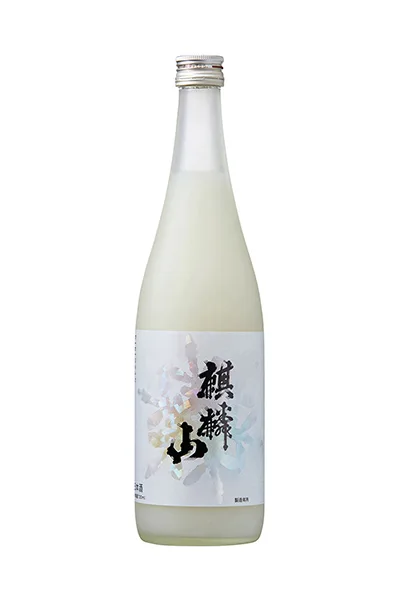
- Kirinzan Nagori Yuki麒麟山 なごり雪
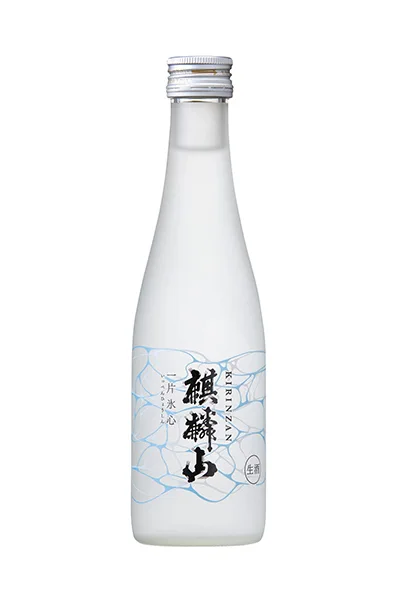
- Kirinzan Ippen Hyoshin麒麟山 一片氷心
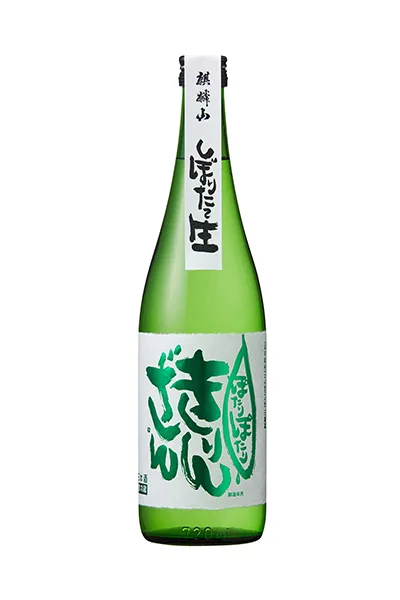
- Kirinzan Potari Potari <Gohyakumangoku>麒麟山 ぽたりぽたり〈五百万石〉
- Kirinzan Umeshu Namazume麒麟山 梅酒《生詰》
- Kirinzan Hibachi麒麟山 火鉢
- Kirinzan Yawaraka麒麟山 やわらか
- Kirinzan Nagareboshi麒麟山 ながれぼし
- Kirinzan Cho-karakuchi Namazake麒麟山 超辛口〈生酒〉
- Kirinzan Kin Unmo麒麟山 金雲母
- Kirinzan Potari Potari <Koshitanrei>麒麟山 ぽたりぽたり〈越淡麗〉
- Kirinzan Momiji <Kin> Choki Jukusei-shu麒麟山 紅葉<金> 20年以上長期熟成酒