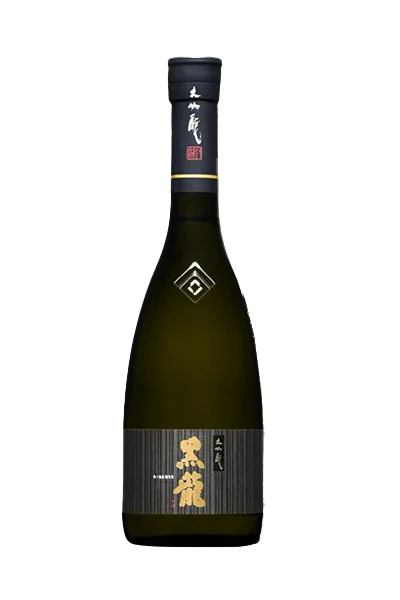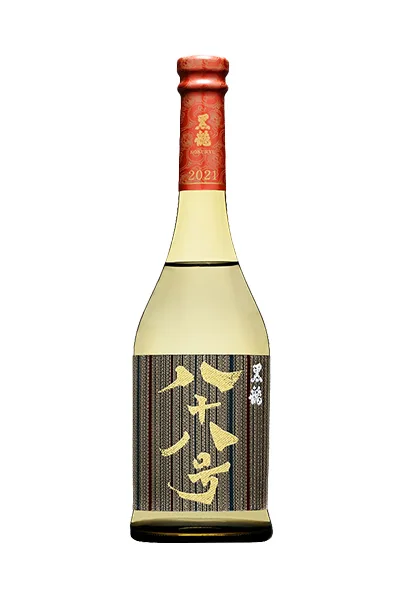
Kokuryu Daiginjo Hachijuhachi Go
黒龍 大吟醸 八十八号Daiginjo, Yamada Nishiki rice polished to 35%
Kokuryu — Kokuryu Shuzo, Fukui
A richly aromatic daiginjo, brewed while the brewers had barely a moment to sleep.
Specifications
- Type
- Daiginjo
- Rice
- Yamada Nishiki
- Rice polishing ratio
- 35%65% of each grain polished away
- Yeast
- Not disclosed
- Alcohol
- 16%
- Sake meter value
- +2slightly dry
How to read these
- Type
- The grade printed on the label. It depends on the ingredients (rice only, or with a little distilled alcohol) and on how far the rice is polished. More
- Rice
- The rice variety. Most premium sake uses varieties grown for brewing, such as Yamada Nishiki. More
- Rice polishing ratio
- How much of each grain is left after polishing. A lower number means more was milled away, which usually gives a lighter, more aromatic sake. More
- Yeast
- The yeast strain, which shapes the aroma. More
- Alcohol
- Alcohol by volume. Most sake is 15–16%; undiluted (genshu) sake is often 17–18%. More
- Sake meter value
- A sweet-to-dry scale. Plus is drier, minus is sweeter. Acidity changes how it tastes, so treat it as a rough guide. More
Flavor profile Aromatic & light
Aromatic & light — fruity, floral aroma with a light body. Known in Japan as kun-shu (薫酒).
Descriptors of freesia, pear and tropical fruit, together with daiginjo grade, 35% polishing and SMV +2, point to a strongly aromatic, light-to-medium body. Sweetness sits at the centre, balanced by a building acidity.
Estimated by AI from the published specifications and the brewery's description; your impression may differ.
About
The name comes from the fact that the best-quality genshu (undiluted sake) was gathered into Tank No. 88 (hachijuhachi), a lucky number whose shape suggests a fan opening wide (suehirogari), a symbol of prosperity. Tasting Notes Pale yellow-green with a youthful appearance. A clean, pleasant aroma rises lightly like perfume and changes character moment by moment into a denser bouquet. Sweet herbs, mountain vegetables, and a bitter, walnut-like vegetal note appear, followed by fresh thyme, with distinctive long pepper and almond-like (apricot kernel) accents. Pear and Apple mango tropical fruit come through as well, along with the aroma of yellow freesia flowers, which is highly fragrant. The mild viscosity and smooth, mineral-like texture create a fine sense of vitality. Though the body is soft, an acidity that seeps gradually onto the palate from the middle of the sip strengthens its presence. Centered on sweetness, a faint bitterness felt toward the end creates harmony, and the finish is round and sphere-like, with an aroma resembling an extract of flower essence. Recommended Pairings Hachijuhachi Go, with its distinctive fragrance, calls for particular care in choosing dishes and serving temperature. It is best enjoyed during the first half of a meal. It pairs well with Chinese dim sum such as har gow (steamed shrimp dumplings made with tapioca flour).
Other sake from this brand 18
- Kokuryu Akiagari黒龍 秋あがり
- Kokuryu Nizaemon黒龍 二左衛門
- Kokuryu Haru Shibori黒龍 春しぼり
- Kokuryu Junmai Daiginjo Hi Ira Kotobuki黒龍 純米大吟醸 火いら寿
- Kokuryu Daiginjo黒龍 大吟醸
- Kokuryu Daiginjo Ryu黒龍 大吟醸 龍
- Kokuryu Shizuku黒龍 しずく
- Kokuryu Jungin Tareguchi Usunigori Namazake黒龍 純吟垂れ⼝ うすにごり⽣酒
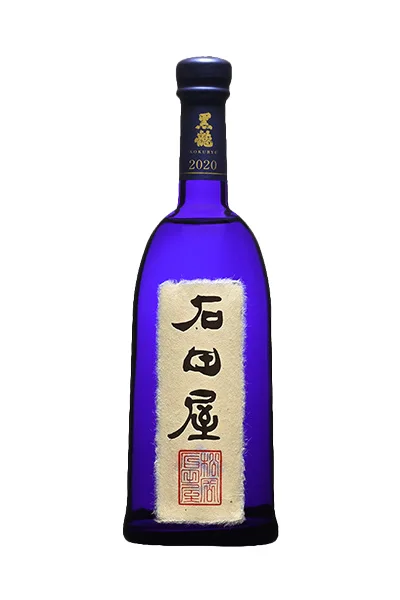
- Kokuryu Ishidaya黒龍 石田屋
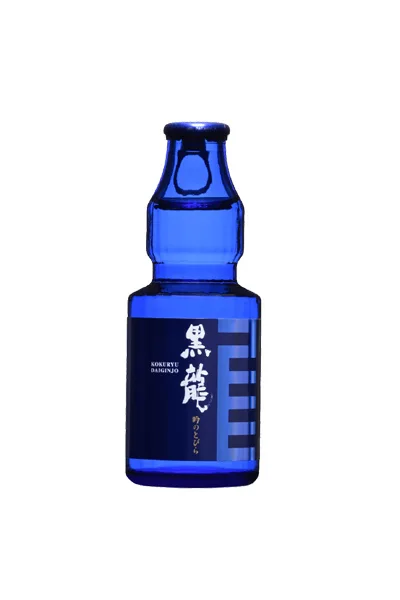
- Kokuryu Gin no Tobira黒龍 吟のとびら
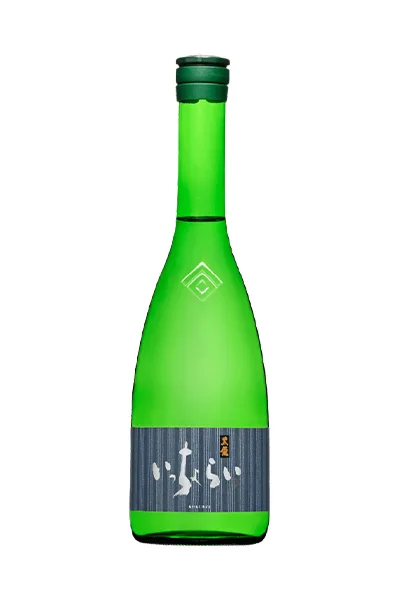
- Kokuryu Ginjo Icchorai黒龍 吟醸 いっちょらい
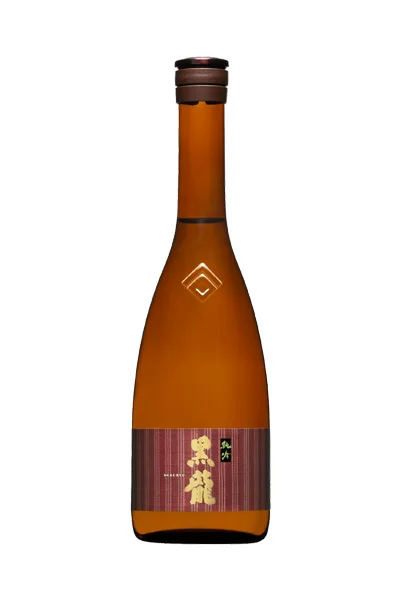
- Kokuryu Junginjo黒龍 純吟