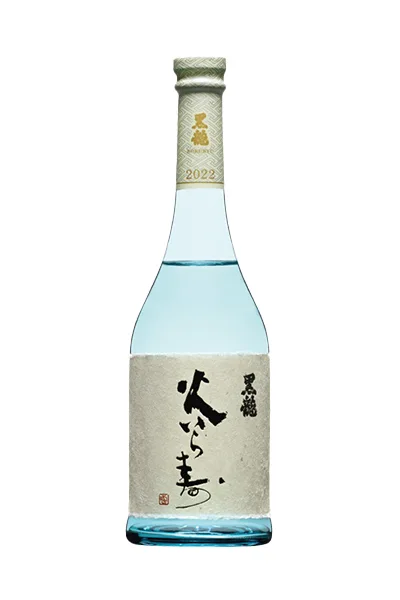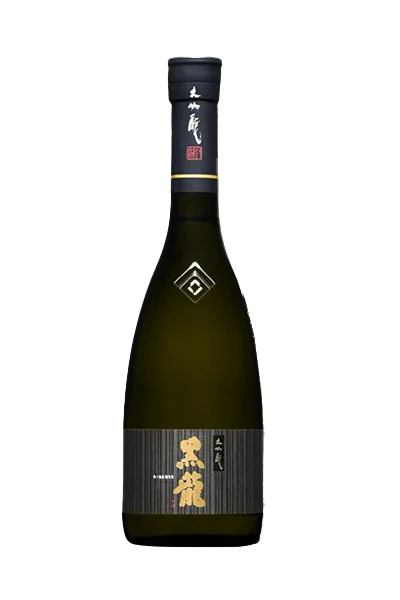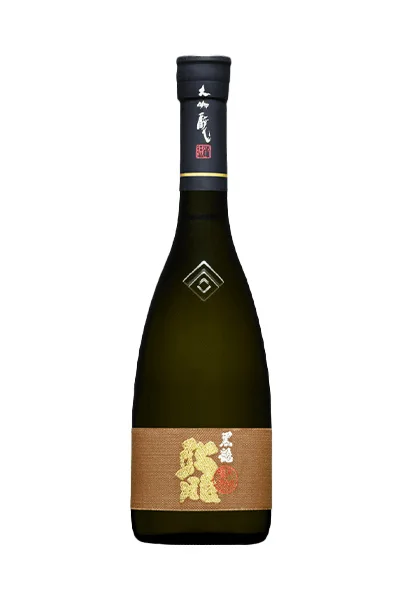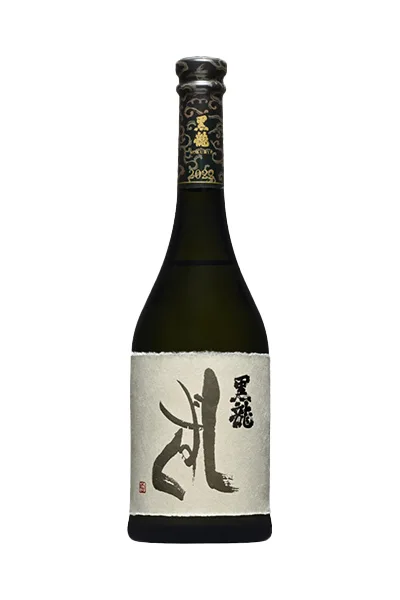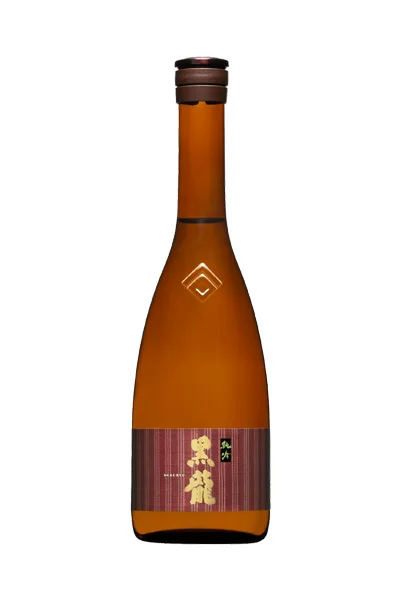
Kokuryu Junginjo
黒龍 純吟Junmai ginjo, Gohyakumangoku rice polished to 55%
Kokuryu — Kokuryu Shuzo, Fukui
A deep umami born from the harmony of flavor and aroma, a junmai ginjo sake that rewards slow sipping.
Specifications
- Type
- Junmai Ginjo
- Rice
- Gohyakumangoku
- Rice polishing ratio
- 55%45% of each grain polished away
- Yeast
- Not disclosed
- Alcohol
- 15.5%
- Sake meter value
- +4.5dry
How to read these
- Type
- The grade printed on the label. It depends on the ingredients (rice only, or with a little distilled alcohol) and on how far the rice is polished. More
- Rice
- The rice variety. Most premium sake uses varieties grown for brewing, such as Yamada Nishiki. More
- Rice polishing ratio
- How much of each grain is left after polishing. A lower number means more was milled away, which usually gives a lighter, more aromatic sake. More
- Yeast
- The yeast strain, which shapes the aroma. More
- Alcohol
- Alcohol by volume. Most sake is 15–16%; undiluted (genshu) sake is often 17–18%. More
- Sake meter value
- A sweet-to-dry scale. Plus is drier, minus is sweeter. Acidity changes how it tastes, so treat it as a rough guide. More
Flavor profile Full & complex
Full & complex — aromatic and full-bodied, including aged sake. Known in Japan as juku-shu (熟酒).
At 55% polishing with a dry-leaning SMV of +4.5, sweetness should be modest. The described layers of orange peel, nuts and dried fruit alongside a viscous, full body point to moderate-to-high aroma, rich texture and a juku profile.
Estimated by AI from the published specifications and the brewery's description; your impression may differ.
About
Drawing out the natural umami of rice, this junmai ginjo sake is made with Gohyakumangoku grown in Fukui Prefecture, and it aims for a refreshing drinking experience. Tasting Notes In appearance, it is pale yellow-green with a grayish tone. The aroma is thick, heavy, and low in pitch, and it comes through directly at first. Orange peel and coconut appear first, followed by walnut, hazelnut, almond tofu, condensed milk, yuba, ginger, nutmeg or clove, rye bread with nuts and dried fruit, and white miso. The many complex, evocative aromas are very enjoyable. The body has a viscosity that even suggests a slight thickness, along with vitality and freshness, giving an impression of richness and good balance. Then, a firm strength and a faint bitterness tighten the finish and leave umami in the latter part. Recommended Pairings Simmered mackerel in miso, eggplant dengaku (grilled eggplant with a miso glaze), fig with white miso and sesame sauce, and white miso ozoni. In Chinese cuisine, stir-fried eggplant and pork with spicy miso; in a French-inspired dish, pan-fried cod with white miso cream sauce. These suggest good pairings with miso.
Other sake from this brand 18
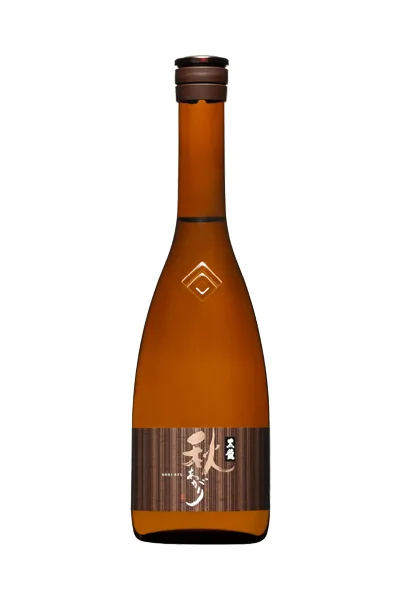
- Kokuryu Akiagari黒龍 秋あがり
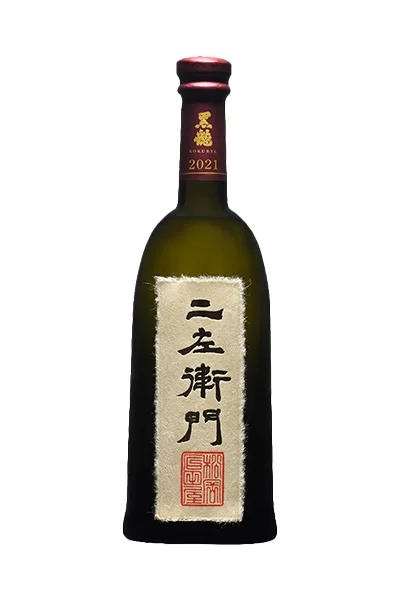
- Kokuryu Nizaemon黒龍 二左衛門
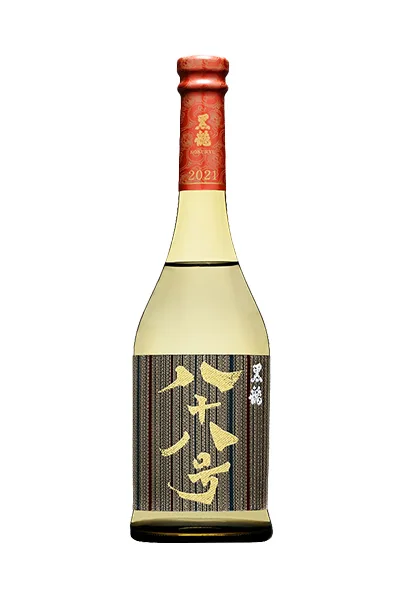
- Kokuryu Daiginjo Hachijuhachi Go黒龍 大吟醸 八十八号
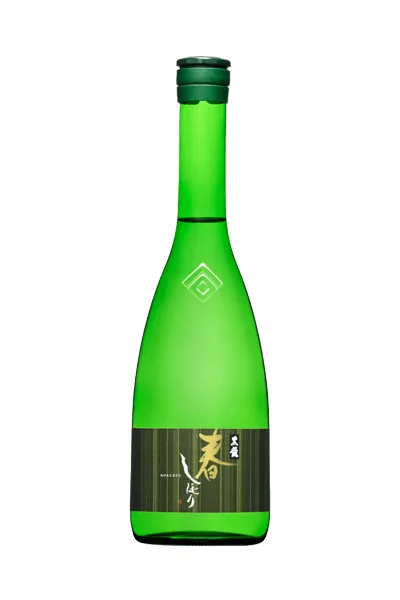
- Kokuryu Haru Shibori黒龍 春しぼり
- Kokuryu Junmai Daiginjo Hi Ira Kotobuki黒龍 純米大吟醸 火いら寿
- Kokuryu Daiginjo黒龍 大吟醸
- Kokuryu Daiginjo Ryu黒龍 大吟醸 龍
- Kokuryu Shizuku黒龍 しずく
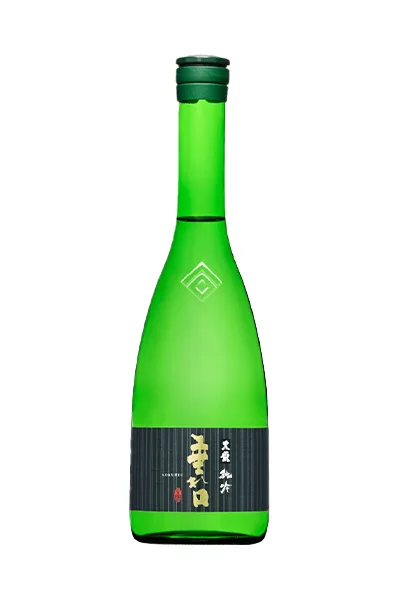
- Kokuryu Jungin Tareguchi Usunigori Namazake黒龍 純吟垂れ⼝ うすにごり⽣酒
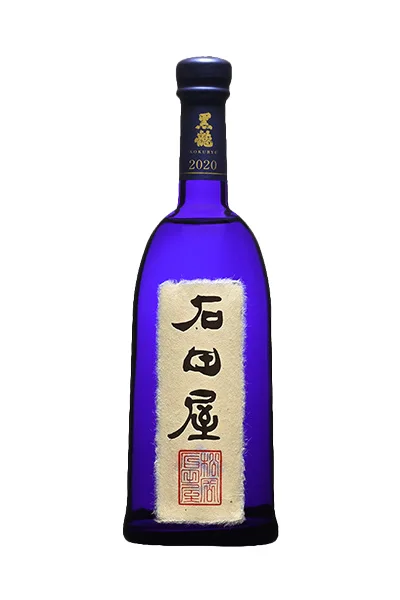
- Kokuryu Ishidaya黒龍 石田屋
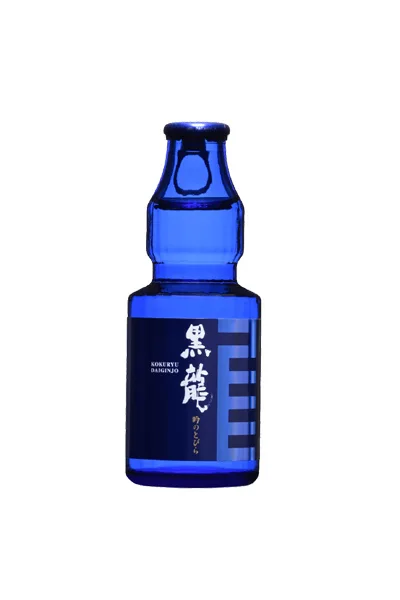
- Kokuryu Gin no Tobira黒龍 吟のとびら
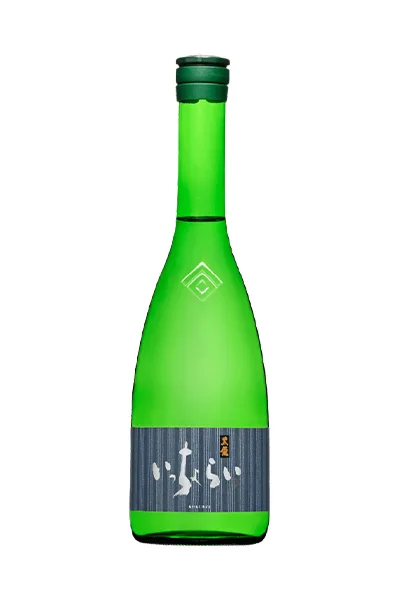
- Kokuryu Ginjo Icchorai黒龍 吟醸 いっちょらい