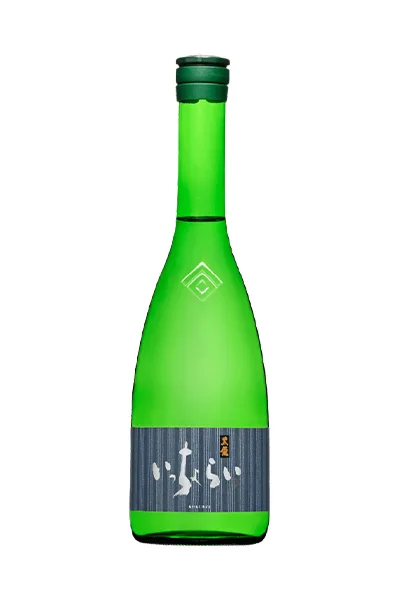
Kokuryu Ginjo Icchorai
黒龍 吟醸 いっちょらいGinjo, rice polished to 55%
Kokuryu — Kokuryu Shuzo, Fukui
A classic ginjo sake loved for its pleasant aroma and smooth, approachable flavor.
Specifications
- Type
- Ginjo
- Rice
- Not disclosed
- Rice polishing ratio
- 55%45% of each grain polished away
- Yeast
- Not disclosed
- Alcohol
- 15.5%
- Sake meter value
- +5.5dry
How to read these
- Type
- The grade printed on the label. It depends on the ingredients (rice only, or with a little distilled alcohol) and on how far the rice is polished. More
- Rice
- The rice variety. Most premium sake uses varieties grown for brewing, such as Yamada Nishiki. More
- Rice polishing ratio
- How much of each grain is left after polishing. A lower number means more was milled away, which usually gives a lighter, more aromatic sake. More
- Yeast
- The yeast strain, which shapes the aroma. More
- Alcohol
- Alcohol by volume. Most sake is 15–16%; undiluted (genshu) sake is often 17–18%. More
- Sake meter value
- A sweet-to-dry scale. Plus is drier, minus is sweeter. Acidity changes how it tastes, so treat it as a rough guide. More
Flavor profile Aromatic & light
Aromatic & light — fruity, floral aroma with a light body. Known in Japan as kun-shu (薫酒).
The tasting note describes a refreshing, fragrant ginjo aroma, and the 55% polishing with SMV +5.5 points to a dry, light palate. The refined texture with a slight sharpness places it in the aromatic and light kun group.
Estimated by AI from the published specifications and the brewery's description; your impression may differ.
About
"Icchorai" is a Fukui dialect word meaning "ichichora" (一張羅), one's best set of clothes. Tasting notes A bright, sweet aroma reminiscent of summer watermelon rises first, and beneath it lies a nostalgic scent of salvia and four o'clock flower (oshiroibana). Bringing the glass closer and searching for the scent, one reaches a natural aroma that evokes the green of moss and the minerality of stones on a riverbed, as if carried over the surface of a clear stream. On the palate the attack is smooth and silky, with the flavor gathering at the center of the mouth and sharpening the outline of the taste. The elegant body has a sense of viscosity, yet a pleasant, lively prickle leads toward a dry finish, and it closes with a light aftertaste. Food pairings Foods that pair well are white in color. With shrimp, squid, or octopus, try ceviche as served in Spanish cuisine. In Italian cuisine, caprese with mozzarella, tomato, olive oil and basil. In Japanese cuisine, shirayaki (grilled eel without sauce) or takenoko no sashimi (bamboo shoot sashimi).
Other sake from this brand 18
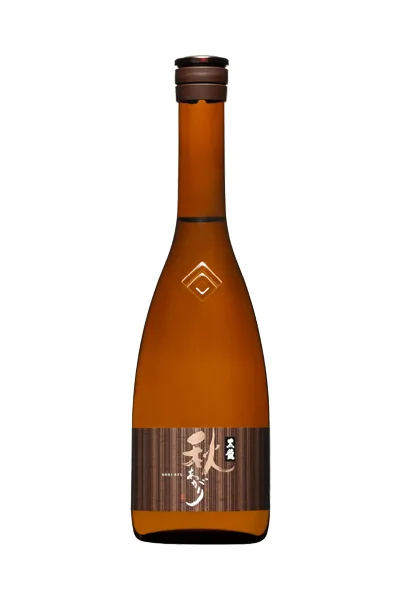
- Kokuryu Akiagari黒龍 秋あがり
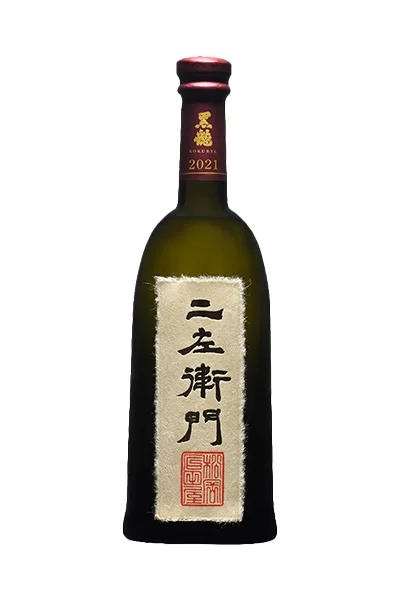
- Kokuryu Nizaemon黒龍 二左衛門
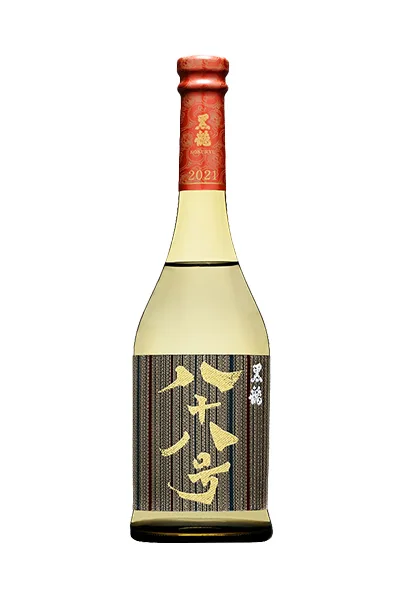
- Kokuryu Daiginjo Hachijuhachi Go黒龍 大吟醸 八十八号
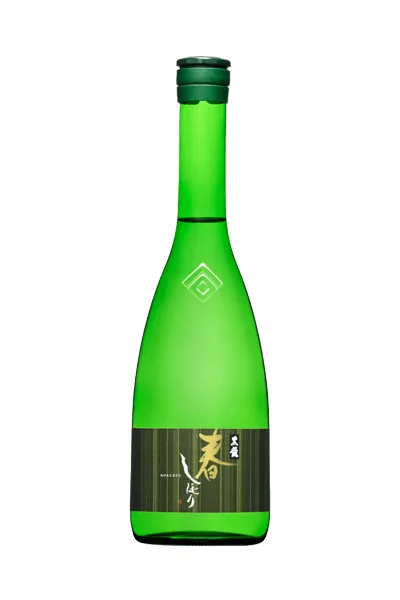
- Kokuryu Haru Shibori黒龍 春しぼり
- Kokuryu Junmai Daiginjo Hi Ira Kotobuki黒龍 純米大吟醸 火いら寿
- Kokuryu Daiginjo黒龍 大吟醸
- Kokuryu Daiginjo Ryu黒龍 大吟醸 龍
- Kokuryu Shizuku黒龍 しずく
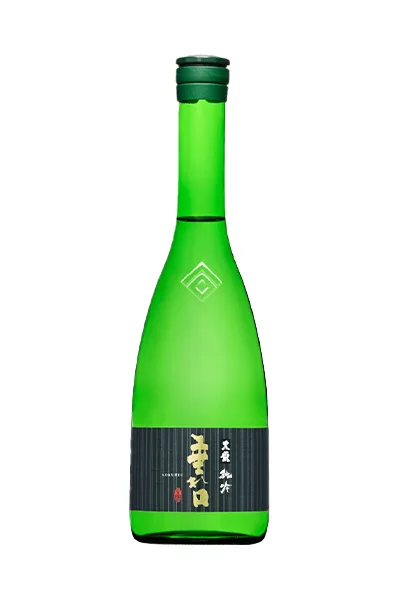
- Kokuryu Jungin Tareguchi Usunigori Namazake黒龍 純吟垂れ⼝ うすにごり⽣酒
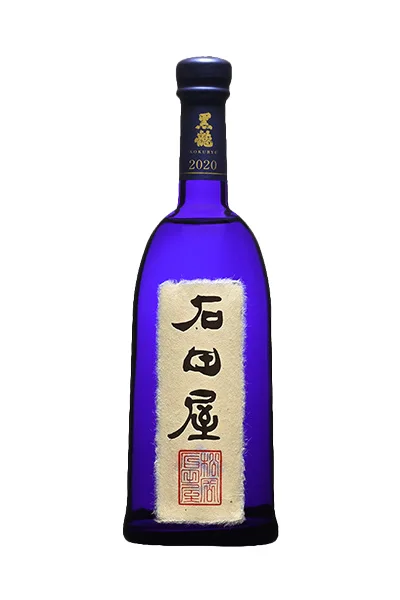
- Kokuryu Ishidaya黒龍 石田屋
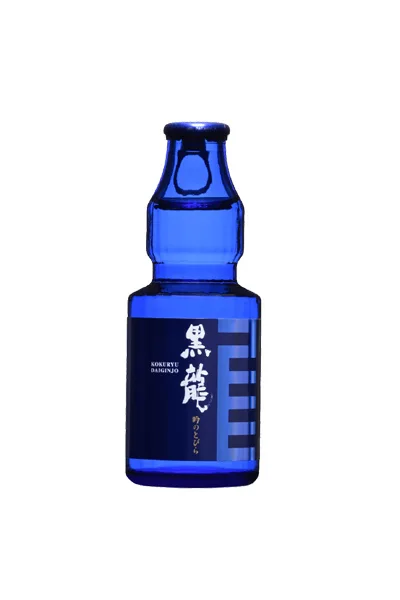
- Kokuryu Gin no Tobira黒龍 吟のとびら
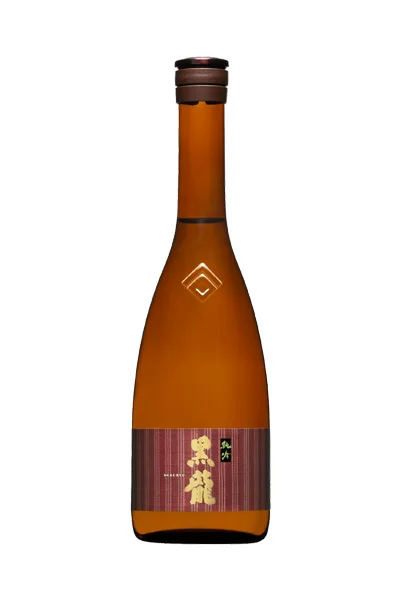
- Kokuryu Junginjo黒龍 純吟