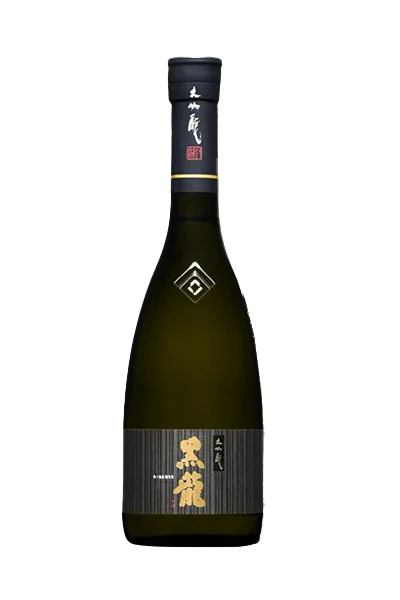
Kokuryu Daiginjo
黒龍 大吟醸Daiginjo, rice polished to 50%
Kokuryu — Kokuryu Shuzo, Fukui
A rich aroma and a clear, smooth finish, with a refreshing character that makes this daiginjo a favorite.
Specifications
- Type
- Daiginjo
- Rice
- Not disclosed
- Rice polishing ratio
- 50%50% of each grain polished away
- Yeast
- Not disclosed
- Alcohol
- 16%
- Sake meter value
- +4dry
How to read these
- Type
- The grade printed on the label. It depends on the ingredients (rice only, or with a little distilled alcohol) and on how far the rice is polished. More
- Rice
- The rice variety. Most premium sake uses varieties grown for brewing, such as Yamada Nishiki. More
- Rice polishing ratio
- How much of each grain is left after polishing. A lower number means more was milled away, which usually gives a lighter, more aromatic sake. More
- Yeast
- The yeast strain, which shapes the aroma. More
- Alcohol
- Alcohol by volume. Most sake is 15–16%; undiluted (genshu) sake is often 17–18%. More
- Sake meter value
- A sweet-to-dry scale. Plus is drier, minus is sweeter. Acidity changes how it tastes, so treat it as a rough guide. More
Flavor profile Aromatic & light
Aromatic & light — fruity, floral aroma with a light body. Known in Japan as kun-shu (薫酒).
The daiginjo grade at 50% polishing, SMV +4, and the description of plum blossom and daphne-like aromas point to a highly aromatic, light style. The soft, clean texture with a slightly dry lean places it in the kun quadrant with moderate sweetness.
Estimated by AI from the published specifications and the brewery's description; your impression may differ.
About
Savor the supple, fine-grained flavor, as smooth as habutae silk. Tasting Notes The fragrance of plum blossoms carried on an early spring breeze. Deeper in, a strong, exotic aroma reminiscent of daphne (jinchoge) can be found. Quince steeped in acacia honey, with cinnamon added, and when the white kernel of a plum pit is cracked, its aroma and a finish that evokes sea breeze linger. Delicate aromas layer upon one another. High texture and a firm core of strength form the backbone, while a body as soft and light as raw cotton adds an impression of a gentle character. Recommended Pairings White fish sashimi and kisu (Japanese whiting) carpaccio pair well with fresh white fish. Also try sake-steamed clams and white asparagus with hollandaise sauce (butter and lemon juice emulsified with egg yolk, seasoned with salt, black pepper and cayenne pepper). For cheese, try Sainte-Maure (a goat cheese made in the Loire region of France).
Other sake from this brand 18
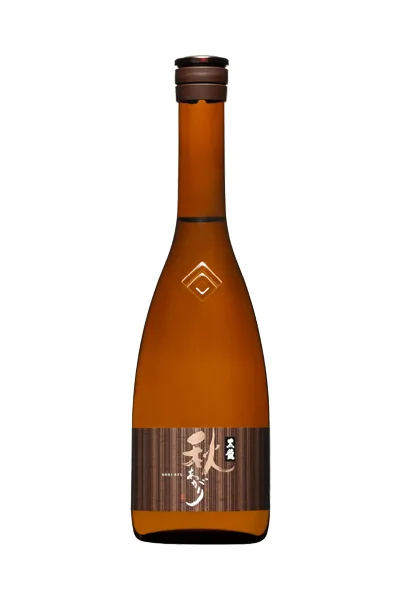
- Kokuryu Akiagari黒龍 秋あがり
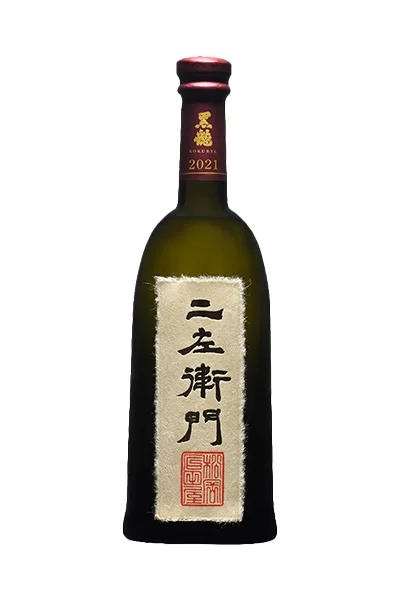
- Kokuryu Nizaemon黒龍 二左衛門
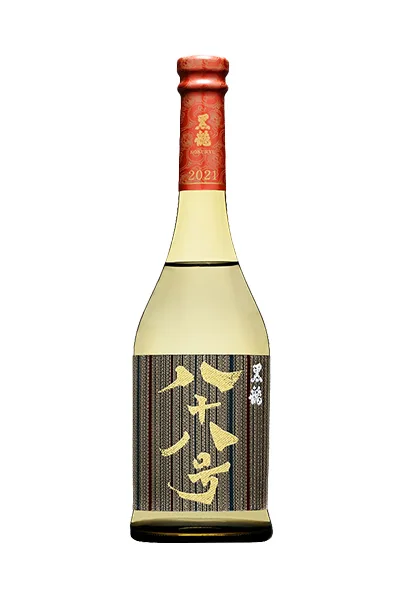
- Kokuryu Daiginjo Hachijuhachi Go黒龍 大吟醸 八十八号
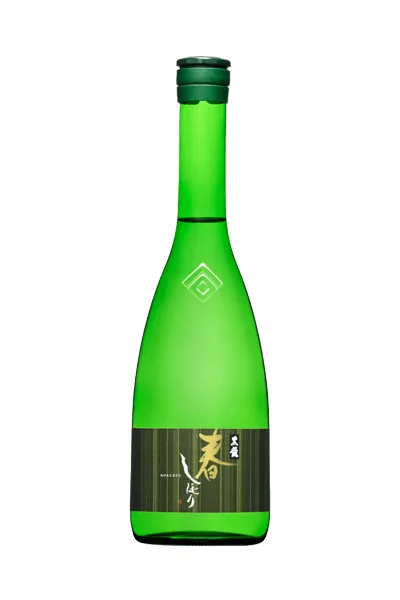
- Kokuryu Haru Shibori黒龍 春しぼり
- Kokuryu Junmai Daiginjo Hi Ira Kotobuki黒龍 純米大吟醸 火いら寿
- Kokuryu Daiginjo Ryu黒龍 大吟醸 龍
- Kokuryu Shizuku黒龍 しずく
- Kokuryu Jungin Tareguchi Usunigori Namazake黒龍 純吟垂れ⼝ うすにごり⽣酒
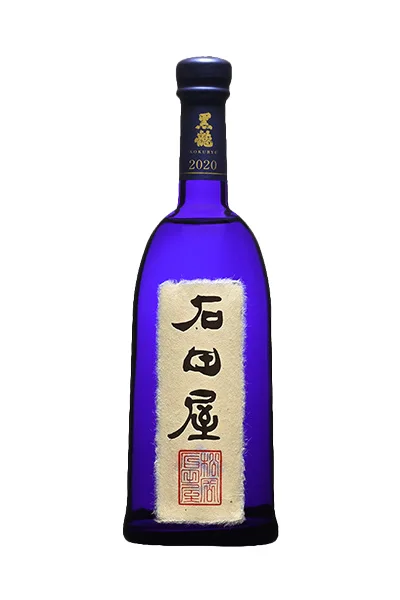
- Kokuryu Ishidaya黒龍 石田屋
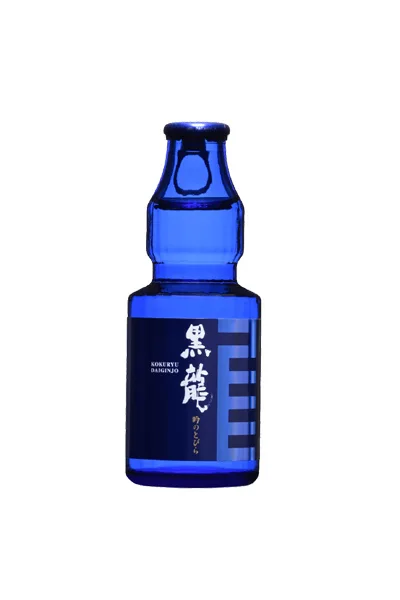
- Kokuryu Gin no Tobira黒龍 吟のとびら
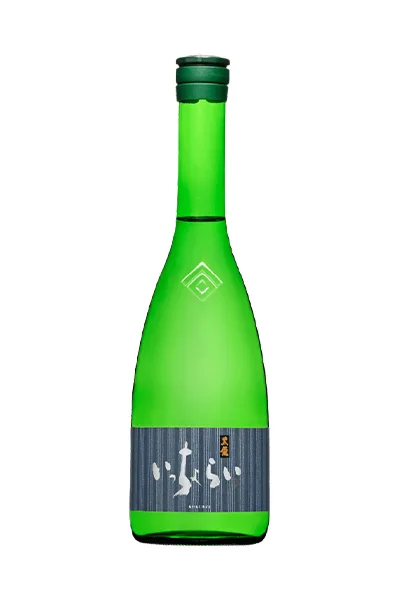
- Kokuryu Ginjo Icchorai黒龍 吟醸 いっちょらい
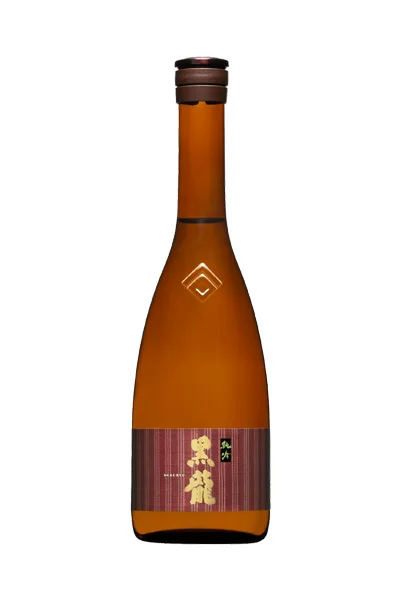
- Kokuryu Junginjo黒龍 純吟