Koshi no Kambai Sai
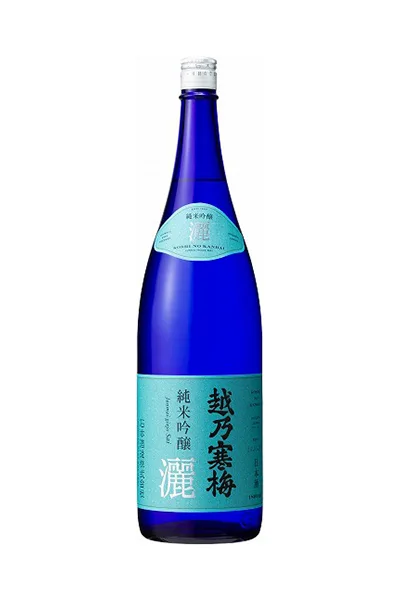
越乃寒梅 灑Junmai ginjo, rice polished to 55%
Koshi no Kanbai — Ishimoto Shuzo, Niigata
A gentle ginjo aroma and a smooth, soft palate in a junmai ginjo sake.
Specifications
- Type
- Junmai Ginjo
- Rice
- Not disclosed
- Rice polishing ratio
- 55%45% of each grain polished away
- Yeast
- Not disclosed
- Alcohol
- 15%
- Sake meter value
- +2slightly dry
How to read these
- Type
- The grade printed on the label. It depends on the ingredients (rice only, or with a little distilled alcohol) and on how far the rice is polished. More
- Rice
- The rice variety. Most premium sake uses varieties grown for brewing, such as Yamada Nishiki. More
- Rice polishing ratio
- How much of each grain is left after polishing. A lower number means more was milled away, which usually gives a lighter, more aromatic sake. More
- Yeast
- The yeast strain, which shapes the aroma. More
- Alcohol
- Alcohol by volume. Most sake is 15–16%; undiluted (genshu) sake is often 17–18%. More
- Sake meter value
- A sweet-to-dry scale. Plus is drier, minus is sweeter. Acidity changes how it tastes, so treat it as a rough guide. More
Flavor profile Aromatic & light
Aromatic & light — fruity, floral aroma with a light body. Known in Japan as kun-shu (薫酒).
The text describes a gentle ginjo aroma and a light, crisp, smooth palate, and the 55% polish, 15% alcohol and SMV +2 support a lightly aromatic, light-bodied profile with mild sweetness. This places it in the kun (aromatic and light) quadrant.
Estimated by AI from the published specifications and the brewery's description; your impression may differ.
About
The refined elegance and clean finish that characterize Koshinokambai come from a thorough understanding of the qualities of sake rice and from brewing in the ginjo style and aging the sake slowly at low temperatures. Unlike recent trends in junmai sake, this junmai ginjo offers a light, crisp character (tanrei) that lets the natural flavor of rice shine. It is light and easy to drink and can be enjoyed at a range of temperatures, though around 10°C is especially recommended.
Other sake from this brand 8
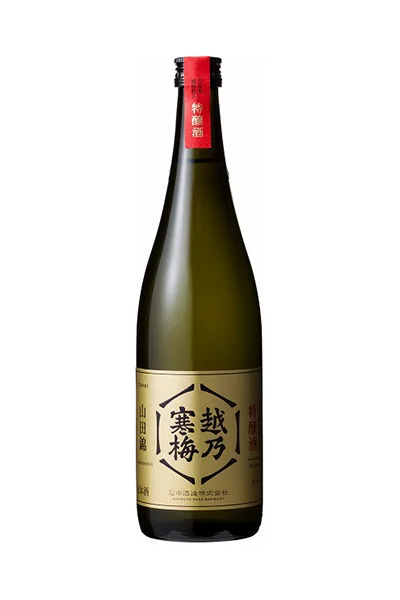
- Koshi no Kanbai Tokujoshu Daiginjo越乃寒梅 特醸酒 大吟醸
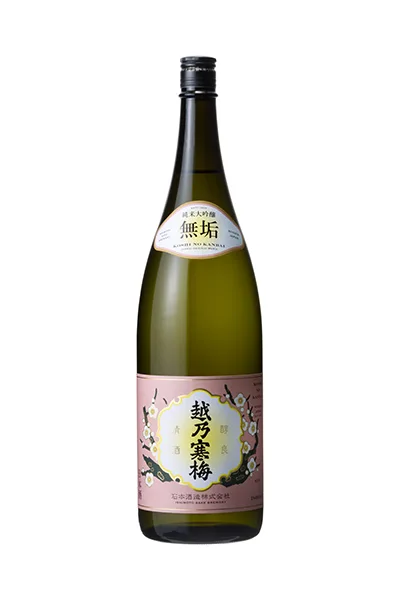
- Koshi no Kanbai Muku Tokubetsu Junmai越乃寒梅 無垢 特別純米酒
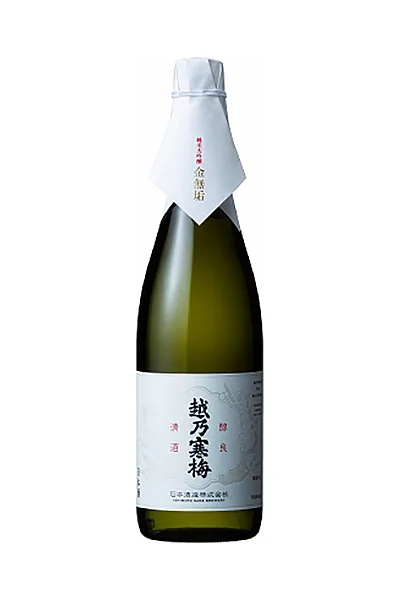
- Koshi no Kambai Kinmuku Junmai Ginjo越乃寒梅 金無垢 純米吟醸酒
- Koshi no Kanbai Chotokusen Daiginjo越乃寒梅 超特撰 大吟醸
- Koshi no Kanbai Shiro Label越乃寒梅 白ラベル
- Koshi no Kanbai Tokusen Ginjo越乃寒梅 特選 吟醸
- Koshi no Kanbai Chotokusen Daiginjo越乃寒梅 超特選 大吟醸
- Koshi no Kanbai Bessen Tokubetsu Honjozo越乃寒梅 別撰 特別本醸造