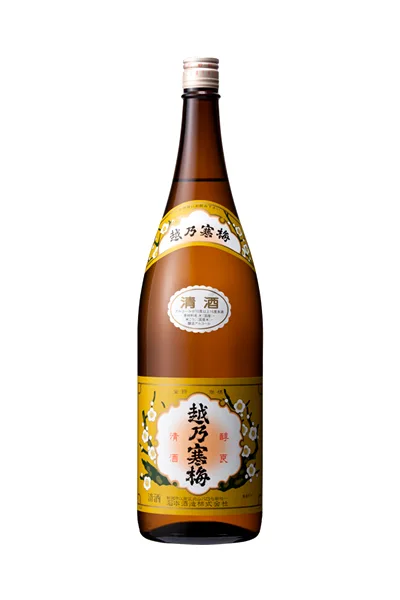
Koshi no Kanbai Shiro Label
越乃寒梅 白ラベルFutsushu (table sake), Gohyakumangoku rice polished to 58%
Koshi no Kanbai — Ishimoto Shuzo, Niigata
Crisp and robust, with a lively finish that lingers on the palate
Specifications
- Type
- Futsushu
- Rice
- Gohyakumangoku
- Rice polishing ratio
- 58%42% of each grain polished away
- Yeast
- Not disclosed
- Alcohol
- 15%
- Sake meter value
- +6very dry
- Acidity
- 1.4
How to read these
- Type
- The grade printed on the label. It depends on the ingredients (rice only, or with a little distilled alcohol) and on how far the rice is polished. More
- Rice
- The rice variety. Most premium sake uses varieties grown for brewing, such as Yamada Nishiki. More
- Rice polishing ratio
- How much of each grain is left after polishing. A lower number means more was milled away, which usually gives a lighter, more aromatic sake. More
- Yeast
- The yeast strain, which shapes the aroma. More
- Alcohol
- Alcohol by volume. Most sake is 15–16%; undiluted (genshu) sake is often 17–18%. More
- Sake meter value
- A sweet-to-dry scale. Plus is drier, minus is sweeter. Acidity changes how it tastes, so treat it as a rough guide. More
- Acidity
- Total acid. Higher tends to taste fuller and drier; lower tastes lighter and sweeter. More
Flavor profile Clean & dry
Clean & dry — restrained aroma, crisp and refreshing. Known in Japan as so-shu (爽酒).
The description stresses a refreshing, crisp finish, and SMV +6 with acidity 1.4 and 58% polishing point to restrained aroma, a light-to-medium body and a fairly dry profile.
Estimated by AI from the published specifications and the brewery's description; your impression may differ.
About
The aim is to be a sake for the evening drink that pairs well with food, stays enjoyable without becoming tiresome, and leaves no hangover the next day. Although it is a futsushu (ordinary sake), the rice is polished and the brewing follows the fundamentals of ginjo production, with slow, long fermentation at low temperature and careful preparation, making it the most familiar and substantial sake in the range. Its powerful, outstanding crispness has earned it the nickname "shiripin no osake" among regular fans. Brewed with the fundamentals of ginjo production, slowly fermented at low temperature over a long period, and carefully prepared, this is the most familiar and substantial sake. It can be enjoyed from chilled to warmed (kan).
Other sake from this brand 8
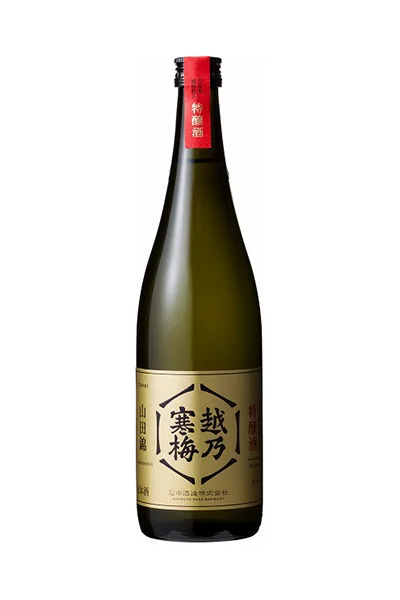
- Koshi no Kanbai Tokujoshu Daiginjo越乃寒梅 特醸酒 大吟醸
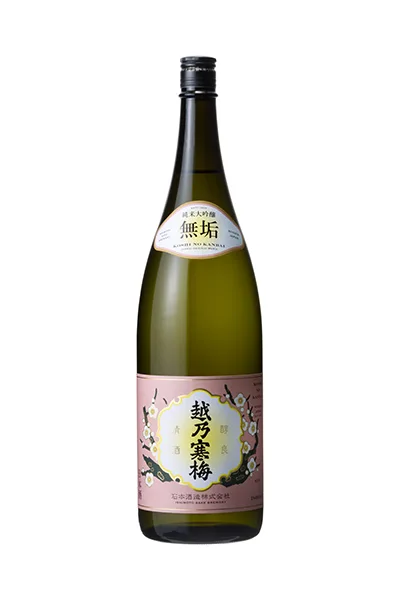
- Koshi no Kanbai Muku Tokubetsu Junmai越乃寒梅 無垢 特別純米酒
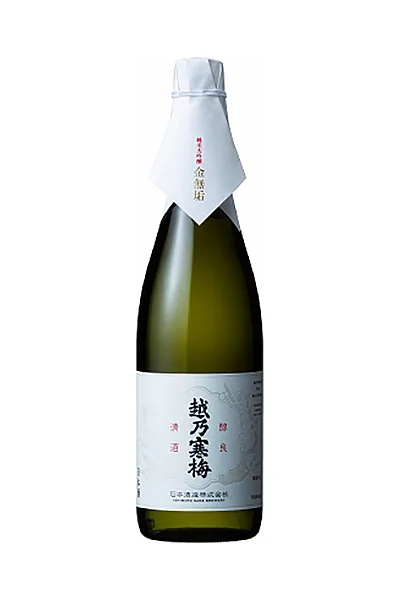
- Koshi no Kambai Kinmuku Junmai Ginjo越乃寒梅 金無垢 純米吟醸酒
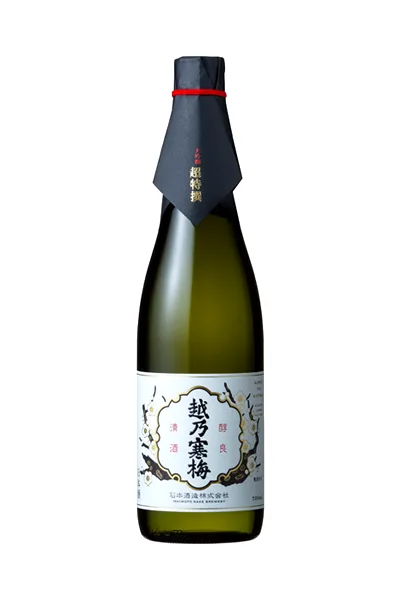
- Koshi no Kanbai Chotokusen Daiginjo越乃寒梅 超特撰 大吟醸
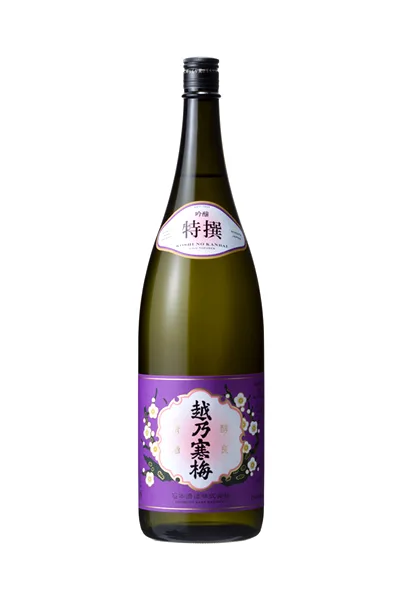
- Koshi no Kanbai Tokusen Ginjo越乃寒梅 特選 吟醸
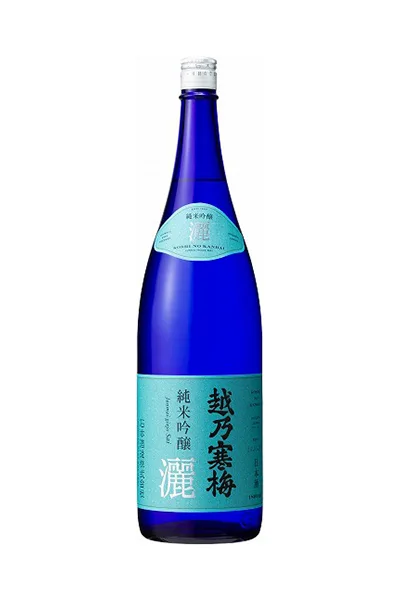
- Koshi no Kambai Sai越乃寒梅 灑
- Koshi no Kanbai Chotokusen Daiginjo越乃寒梅 超特選 大吟醸
- Koshi no Kanbai Bessen Tokubetsu Honjozo越乃寒梅 別撰 特別本醸造