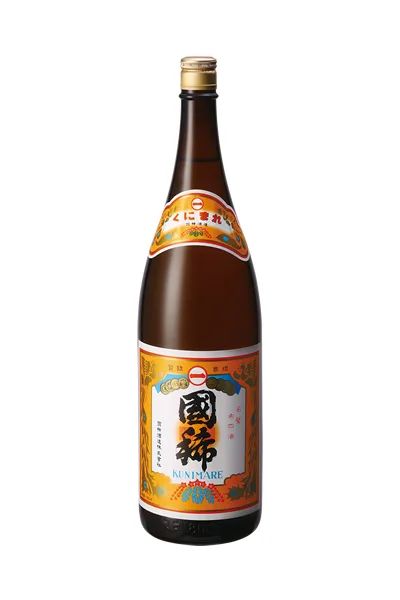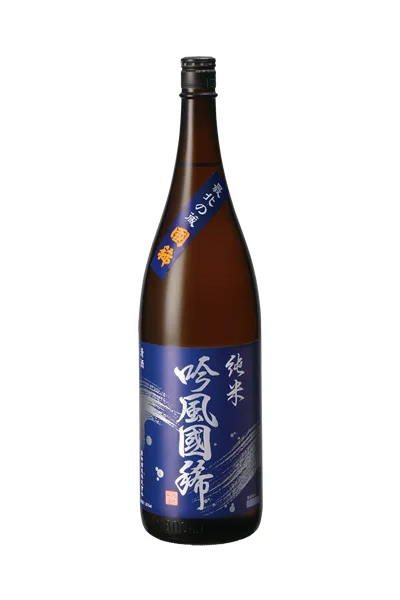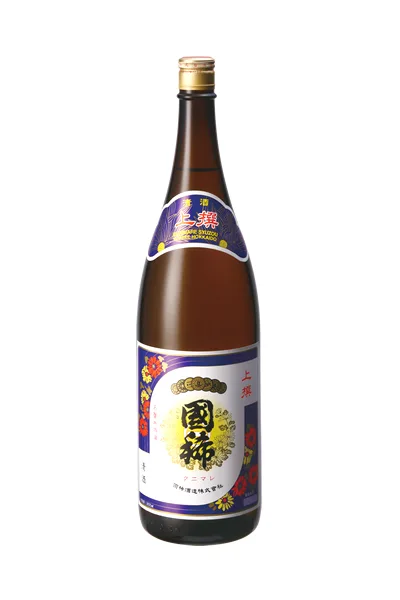
Kunimare Josen
国稀 上撰Futsushu (table sake), Ginpu rice polished to 65%, brewery's upper tier (josen)
Kunimare — Kunimare Shuzo, Hokkaido
A traditional first-grade style: light, dry, and smooth on the finish
Specifications
- Type
- Futsushu
- Rice
- Ginpu
- Rice polishing ratio
- 65%35% of each grain polished away
- Yeast
- Not disclosed
- Alcohol
- 15%
- Sake meter value
- +4–+5dry
- Acidity
- 1.1
How to read these
- Type
- The grade printed on the label. It depends on the ingredients (rice only, or with a little distilled alcohol) and on how far the rice is polished. More
- Rice
- The rice variety. Most premium sake uses varieties grown for brewing, such as Yamada Nishiki. More
- Rice polishing ratio
- How much of each grain is left after polishing. A lower number means more was milled away, which usually gives a lighter, more aromatic sake. More
- Yeast
- The yeast strain, which shapes the aroma. More
- Alcohol
- Alcohol by volume. Most sake is 15–16%; undiluted (genshu) sake is often 17–18%. More
- Sake meter value
- A sweet-to-dry scale. Plus is drier, minus is sweeter. Acidity changes how it tastes, so treat it as a rough guide. More
- Acidity
- Total acid. Higher tends to taste fuller and drier; lower tastes lighter and sweeter. More
Flavor profile Clean & dry
Clean & dry — restrained aroma, crisp and refreshing. Known in Japan as so-shu (爽酒).
The description of a clean, dry, crisp finish, together with SMV +4 to +5, low acidity of 1.1 and 65% polishing, points to restrained aroma, a light body and little sweetness. Its 15% alcohol keeps the richness modest, placing it in the so (crisp and light) quadrant.
Estimated by AI from the published specifications and the brewery's description; your impression may differ.
About
In the style of the traditional first-grade sake (ikkyu-shu), this is a light, dry (tanrei karakuchi) sake with a smooth, clean finish. Founded in 1882 (Meiji 15), Kunimare Sake Brewery is Japan's northernmost sake brewery. It uses clear water from the Shokanbetsu Mountain Range (Shokanbetsu Renpo) in the bitterly cold Hokkaido winter, along with Ginpu, a sake rice grown in Hokkaido. Brewed slowly at low temperatures in the Kunimare tradition, this dry sake has a mellow mouthfeel and a crisp finish. It is recommended as a food sake that brings out the flavors of a meal.
Other sake from this brand 14
- Kunimare国稀
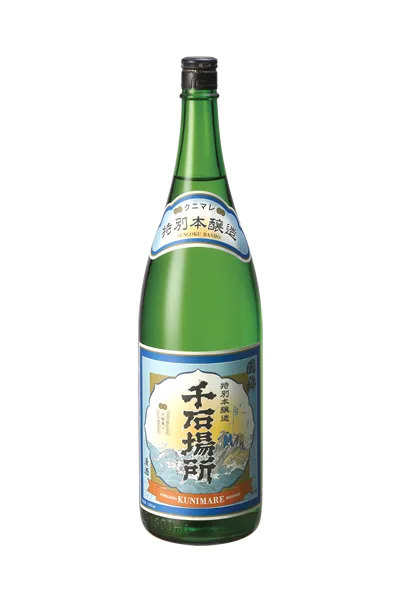
- Kunimare Tokubetsu Honjozo Sengoku Basho國稀 特別本醸造 千石場所
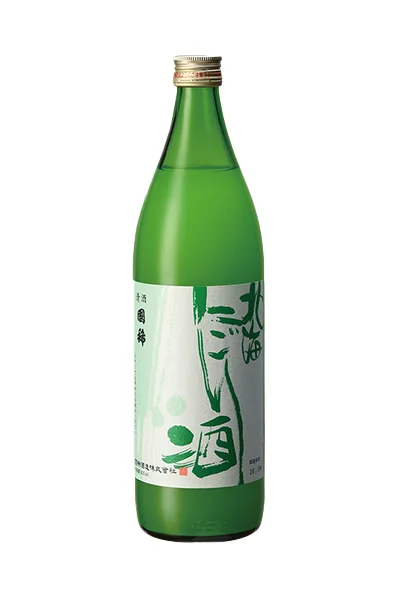
- Kunimare Hokkai Nigori国稀 北海 にごり酒
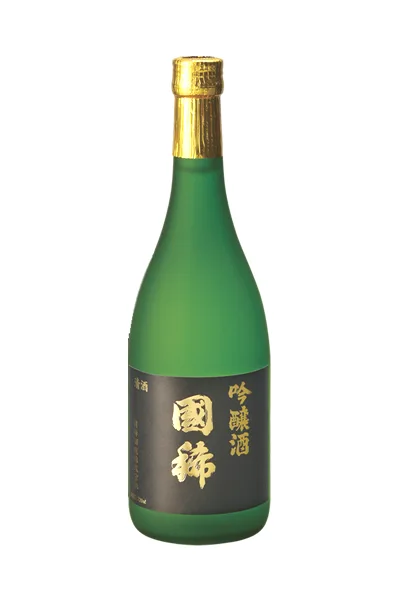
- Kunimare Ginjo国稀 吟醸酒
- Kunimare Daiginjo国稀 大吟醸
- Kunimare Tokubetsu Junmai国稀 特別純米酒
- Kunimare Hokkai Oni Koroshi国稀 北海 鬼ころし
- Kunimare Honjozo国稀 本醸造
- Kunimare Junmai Ginpu Kunimare國稀 純米 吟風国稀
- Kunimare Honjozo Kenchikubutsu Label国稀 本醸造 建築物ラベル
- Kunimare Kasen国稀 佳撰
- Kunimare Honjozo Shokan Oroshi国稀 本醸造 暑寒おろし