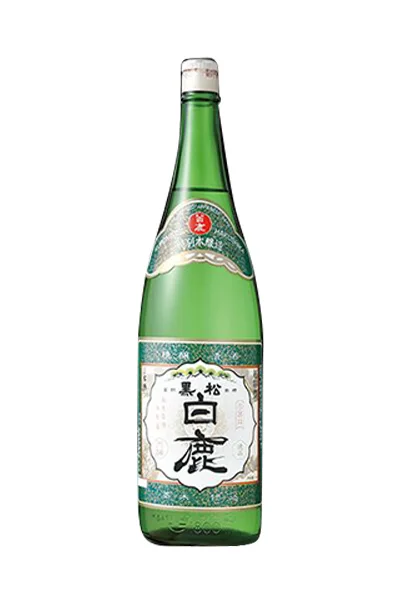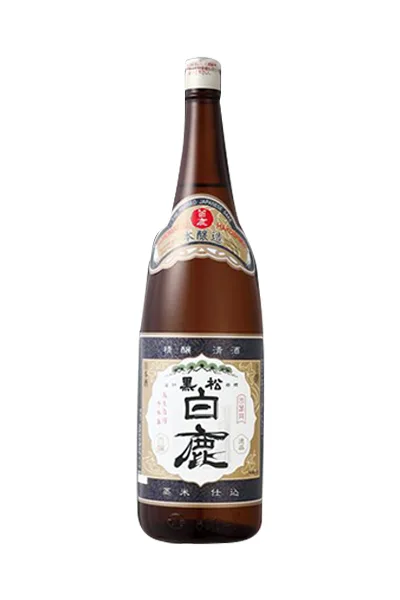
Kuromatsu Hakushika Josen Honjozo
黒松白鹿 上撰 本醸造Honjozo, rice polished to 70%, brewery's upper tier (josen)
Kuromatsu Hakushika — Tatsuuma Honke Shuzo, Hyogo
A well-balanced palate and a fine, smooth finish
Specifications
- Type
- Honjozo
- Rice
- Not disclosed
- Rice polishing ratio
- 70%30% of each grain polished away
- Yeast
- Not disclosed
- Alcohol
- 15–16%
- Sake meter value
- +1medium
- Acidity
- 1.4
How to read these
- Type
- The grade printed on the label. It depends on the ingredients (rice only, or with a little distilled alcohol) and on how far the rice is polished. More
- Rice
- The rice variety. Most premium sake uses varieties grown for brewing, such as Yamada Nishiki. More
- Rice polishing ratio
- How much of each grain is left after polishing. A lower number means more was milled away, which usually gives a lighter, more aromatic sake. More
- Yeast
- The yeast strain, which shapes the aroma. More
- Alcohol
- Alcohol by volume. Most sake is 15–16%; undiluted (genshu) sake is often 17–18%. More
- Sake meter value
- A sweet-to-dry scale. Plus is drier, minus is sweeter. Acidity changes how it tastes, so treat it as a rough guide. More
- Acidity
- Total acid. Higher tends to taste fuller and drier; lower tastes lighter and sweeter. More
Flavor profile Rich & umami
Rich & umami — rice-driven umami and a fuller body. Known in Japan as jun-shu (醇酒).
A 70% polished honjozo with SMV +1 and acidity 1.4 points to a restrained aroma and a moderately balanced sweetness. The described 濃醇 umami and body place it in the rich, restrained jun quadrant.
Estimated by AI from the published specifications and the brewery's description; your impression may differ.
About
A standard sake with a well-balanced flavor across the five tastes, known for its fine, smooth finish and rich umami. The name "Hakushika" (White Deer) comes from Chinese shinsen shisō (ideas of immortal sages) and the wish for long life. During the Tang dynasty, a deer strayed into the palace of Emperor Xuanzong, and the immortal Wang Min (王旻) identified it as a white deer that had lived a thousand years. On examination, a bronze tablet inscribed "White Deer of the Yichun Garden" (宜春苑中之白鹿) was found at the base of its antlers… The Yichun Garden (宜春苑, Gishun-en) dated to the reign of Emperor Wu of the Han dynasty, roughly a thousand years before the Tang. The emperor is said to have welcomed the deer as an auspicious omen, held a celebratory banquet, and cared for the white deer. Later, a poem by Qu Cunzhai (瞿存斎) retelling this story includes the line "長生自得千年寿" (Chōsei jitoku sennen ju). The name Hakushika was taken from this auspicious tale. A signboard from the Edo period bears the inscription "宜春苑 長生自得千年寿 白鹿" (Gishun-en, Chōsei jitoku sennen ju, Hakushika). For more than 350 years, the name Hakushika has carried the great life force of nature, everyday enjoyment, and the wish for longevity.
Other sake from this brand 21
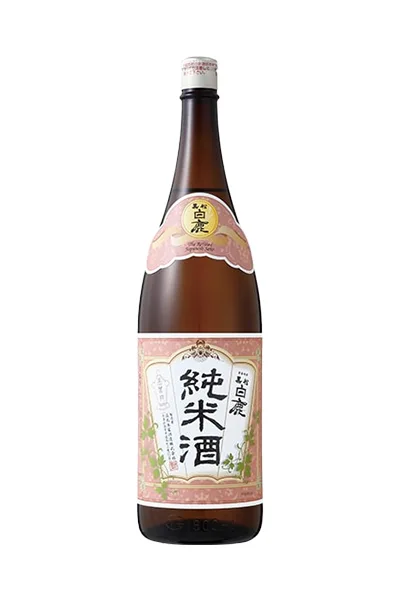
- Kuromatsu Hakushika Junmai sake黒松白鹿 純米酒
- Kuromatsu Hakushika Chotokusen Junmai Daiginjo Zuisho Hakushika黒松白鹿 超特撰 純米大吟醸 瑞祥白鹿
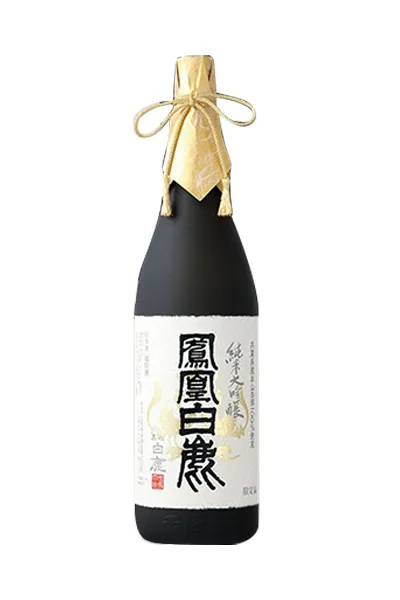
- Kuromatsu Hakushika Chotokusen Junmai Daiginjo Hoo Hakushika黒松白鹿 超特撰 純米大吟醸 鳳凰白鹿
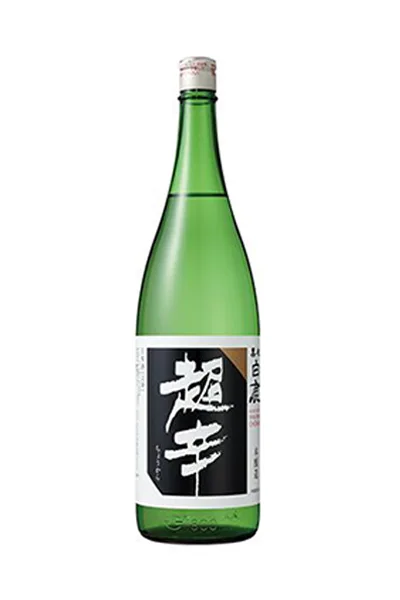
- Kuromatsu Hakushika Josen Honjozo Chokara黒松白鹿 上撰 本醸造 超辛
- Kuromatsu Hakushika Chotokusen Tokubetsu Honjozo黒松白鹿 超特選 特別本醸造
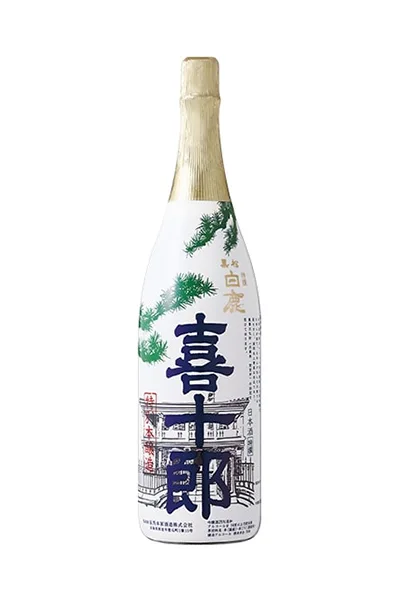
- Kuromatsu Hakushika Tokusen Tokubetsu Honjozo Kijuro黒松白鹿 特撰 特別本醸造 喜十郎
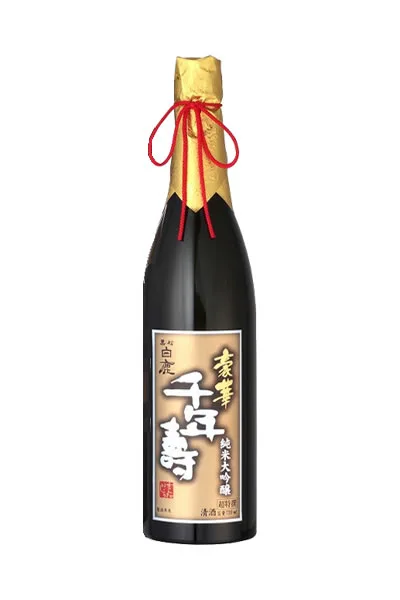
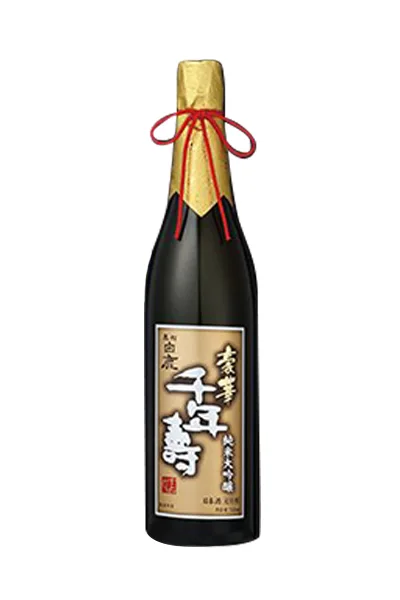
- Kuromatsu Hakushika Chotokusen Junmai Daiginjo Gouka Sennen Kotobuki黒松白鹿 超特撰 純米大吟醸 豪華千年寿
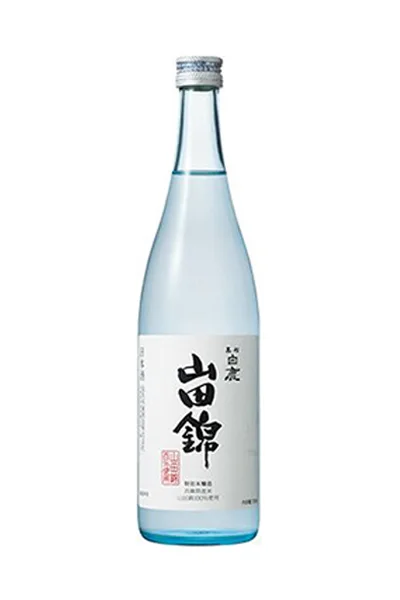
- Kuromatsu Hakushika Tokusen Tokubetsu Honjozo Yamada Nishiki黒松白鹿 特撰 特別本醸造 山田錦
- Kuromatsu Hakushika Chotokusen Junmai Daiginjo黒松白鹿 超特撰 純米大吟醸
- Kuromatsu Hakushika Chotokusen Junmai Daiginjo Rokkonen V-500黒松白鹿 超特撰 純米大吟醸 六光年 V-500
- Kuromatsu Hakushika Ginjo Tokusen Namachozo黒松白鹿 吟醸 特撰 生貯蔵酒
- Kuromatsu Hakushika Chotokusen Tokubetsu Junmai Yamada Nishiki黒松白鹿 超特撰 特別純米 山田錦