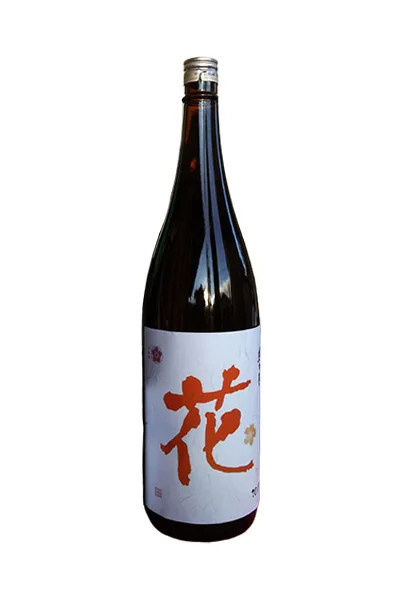
Sadaijin Hana
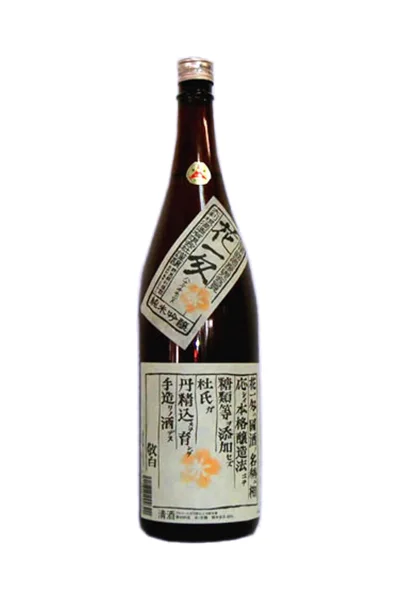
左大臣 花Junmai ginjo, rice polished to 60%, undiluted (genshu), unpasteurized (nama)
Sadaijin — Otone Shuzo, Gunma
The spirit of sake, carried to you on a single petal.
Specifications
- Type
- Junmai Ginjo
- Rice
- Not disclosed
- Rice polishing ratio
- 60%40% of each grain polished away
- Yeast
- Not disclosed
- Alcohol
- 15%
- Sake meter value
- +1medium
- Acidity
- 1.3
How to read these
- Type
- The grade printed on the label. It depends on the ingredients (rice only, or with a little distilled alcohol) and on how far the rice is polished. More
- Rice
- The rice variety. Most premium sake uses varieties grown for brewing, such as Yamada Nishiki. More
- Rice polishing ratio
- How much of each grain is left after polishing. A lower number means more was milled away, which usually gives a lighter, more aromatic sake. More
- Yeast
- The yeast strain, which shapes the aroma. More
- Alcohol
- Alcohol by volume. Most sake is 15–16%; undiluted (genshu) sake is often 17–18%. More
- Sake meter value
- A sweet-to-dry scale. Plus is drier, minus is sweeter. Acidity changes how it tastes, so treat it as a rough guide. More
- Acidity
- Total acid. Higher tends to taste fuller and drier; lower tastes lighter and sweeter. More
Flavor profile Full & complex
Full & complex — aromatic and full-bodied, including aged sake. Known in Japan as juku-shu (熟酒).
The junmai ginjo genshu nama description cites a 芳醇 aroma and a full, rounded texture, while SMV +1 and acidity 1.3 point to a soft, mildly sweet profile. This implies moderately high aroma, a slightly full body and gentle sweetness.
Estimated by AI from the published specifications and the brewery's description; your impression may differ.
About
Carefully polished Gunma-grown sake rice Wakamizu (若水) is brewed with a shubo (yeast starter) reserved for daiginjo production. The sake is made by the brewery's owner-toji (master brewer) using traditional methods, and is sold as Junmai Ginjo, Hana Ichimonme. The moromi (fermentation mash) is fermented with care and pressed slowly. The freshly pressed genshu (undiluted sake) is collected and left to rest gently in tank, and only the clear upper layer is drawn off and bottled. This unfiltered, unadjusted nama genshu has a softness, depth, body and roundness that are hard to describe. The rich aroma, which highlights the umami of the rice, and the tanrei (light, clean) flavor can be enjoyed crisp and refreshing, or fuller and rounder. The gentle aroma and the depth of flavor, with its hidden roundness, create a pleasing, fleeting moment. Its moderate sweetness makes it an excellent food-pairing sake, though it can also be served as an aperitif with a small appetizer.
Other sake from this brand 16
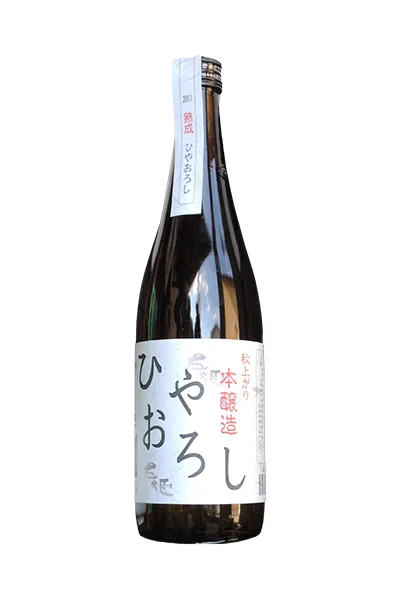
- Sadaijin Hiyaoroshi左大臣 ひやおろし
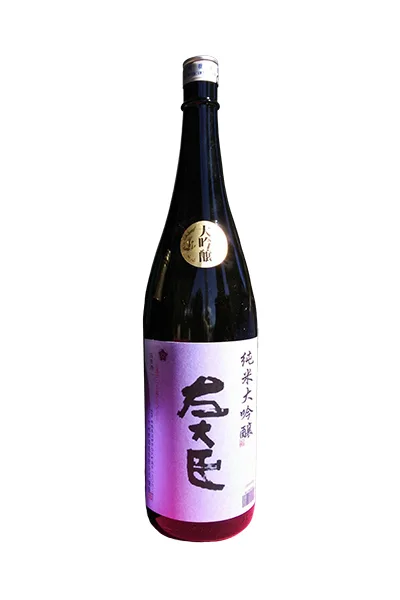
- Sadaijin Daiginjo左大臣 大吟醸
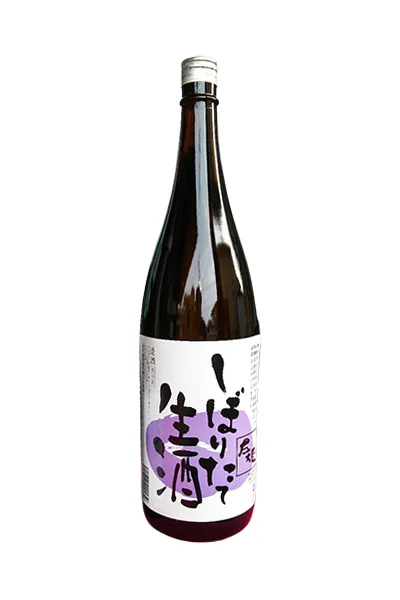
- Sadaijin Shiboritate Namazake左大臣 しぼりたて生酒
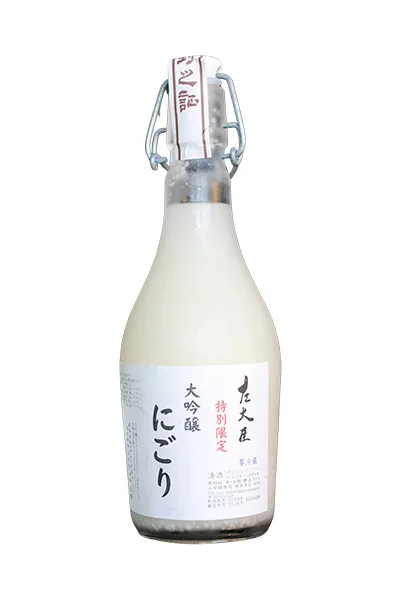
- Sadaijin Daiginjo Nigori左大臣 大吟醸 にごり
- Sadaijin Tsu左大臣 つ
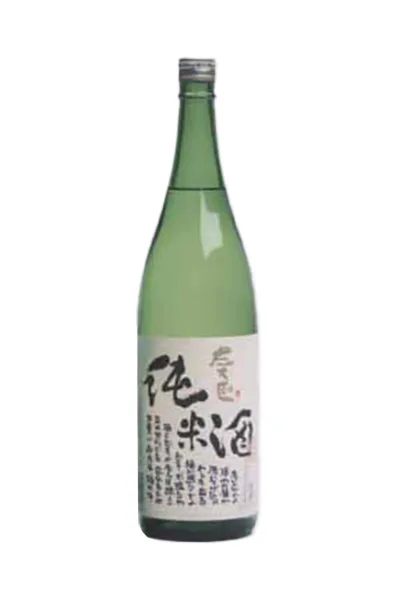
- Sadaijin Junmai sake左大臣 純米酒
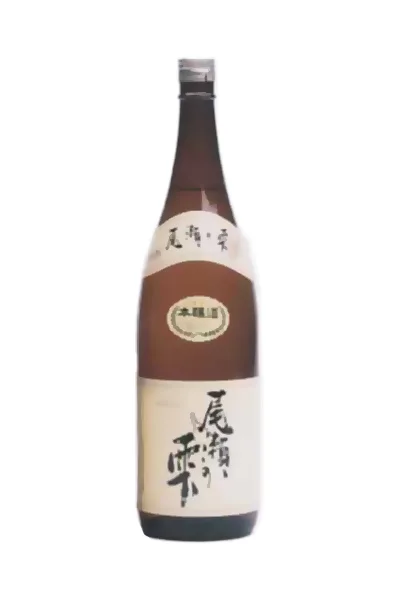
- Sadaijin Oze no Shizuku左大臣 尾瀬の雫
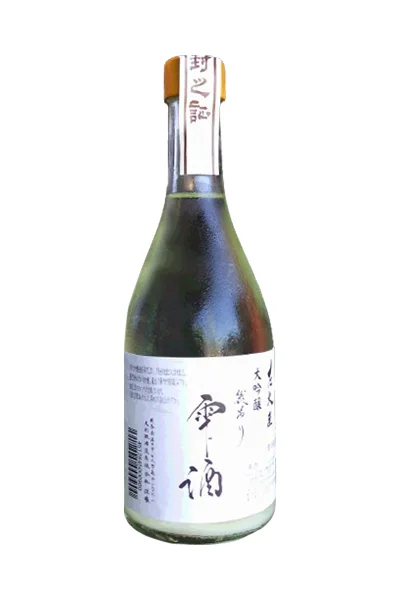
- Sadaijin Shizuku-zake左大臣 雫酒
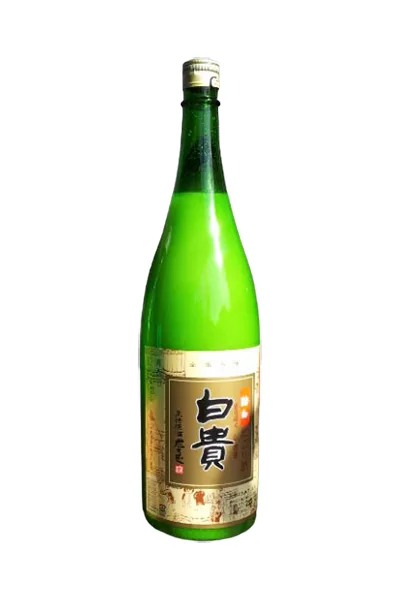
- Sadaijin Hakki左大臣 白貴
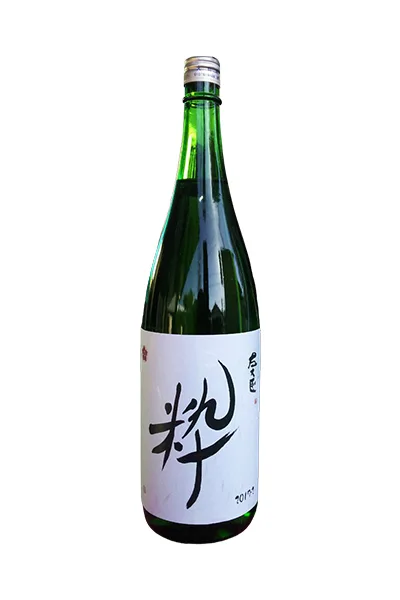
- Sadaijin Sui左大臣 粋
- Sadaijin Hana Ichimonme左大臣 花一匁
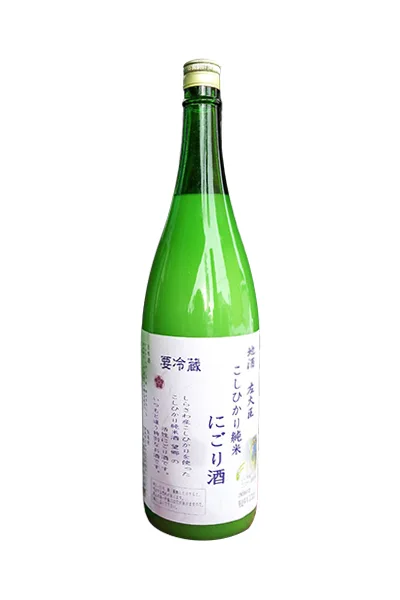
- Sadaijin Bokyo Nigori Sake左大臣 望郷 にごり酒