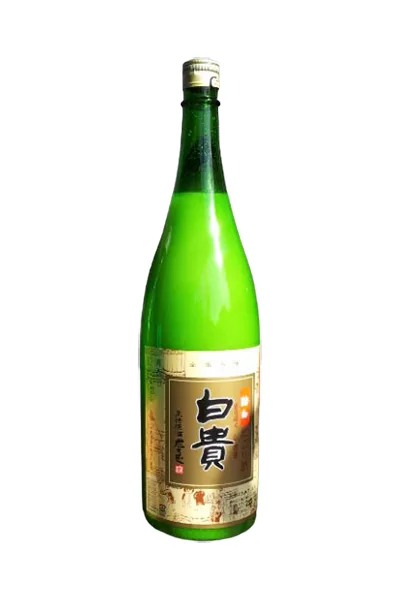
Sadaijin Hakki
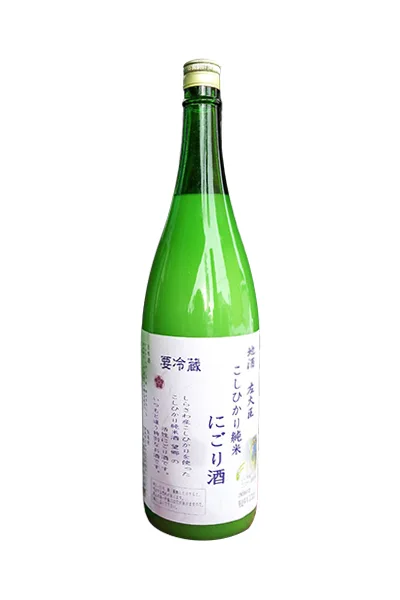
左大臣 白貴Unpasteurized (nama), cloudy (nigori)
Sadaijin — Otone Shuzo, Gunma
Recalls the doburoku (rustic farmhouse rice brew) of old.
Specifications
- Type
- Other
- Rice
- Not disclosed
- Yeast
- Not disclosed
- Alcohol
- 18–18.9%
- Sake meter value
- +10very dry
- Acidity
- 1.8
How to read these
- Type
- The grade printed on the label. It depends on the ingredients (rice only, or with a little distilled alcohol) and on how far the rice is polished. More
- Rice
- The rice variety. Most premium sake uses varieties grown for brewing, such as Yamada Nishiki. More
- Yeast
- The yeast strain, which shapes the aroma. More
- Alcohol
- Alcohol by volume. Most sake is 15–16%; undiluted (genshu) sake is often 17–18%. More
- Sake meter value
- A sweet-to-dry scale. Plus is drier, minus is sweeter. Acidity changes how it tastes, so treat it as a rough guide. More
- Acidity
- Total acid. Higher tends to taste fuller and drier; lower tastes lighter and sweeter. More
Flavor profile Rich & umami
Rich & umami — rice-driven umami and a fuller body. Known in Japan as jun-shu (醇酒).
Nigori nama with SMV +10 and acidity 1.8 gives a dry, tangy profile, and the rustic, doburoku-like character and lively bottle fizz add richness. Aroma stays restrained, so it sits in the jun quadrant.
Estimated by AI from the published specifications and the brewery's description; your impression may differ.
About
A rustic nigori (cloudy, unfiltered) sake with a wild, untamed character. It fizzes and bursts on the palate. This is a nama (unpasteurized) nigori sake, with live yeast still active and undergoing secondary fermentation in the bottle. It is characterized by a soft acidity with a slight prickle, and it has also earned the nickname 'Japanese-style champagne'. Please take care when opening the bottle, as it is lively and may overflow like champagne.
Other sake from this brand 16
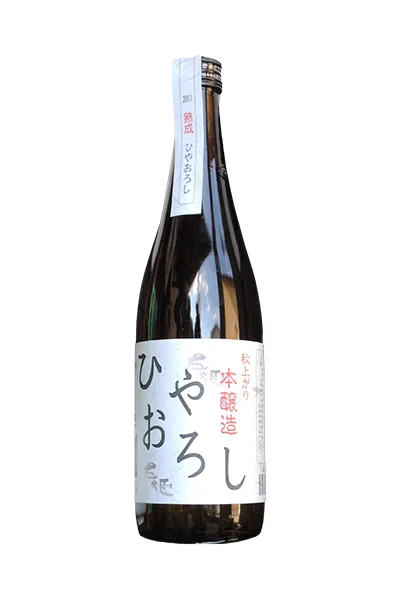
- Sadaijin Hiyaoroshi左大臣 ひやおろし
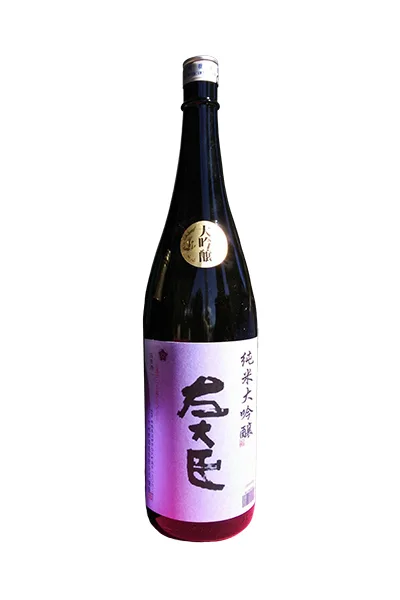
- Sadaijin Daiginjo左大臣 大吟醸
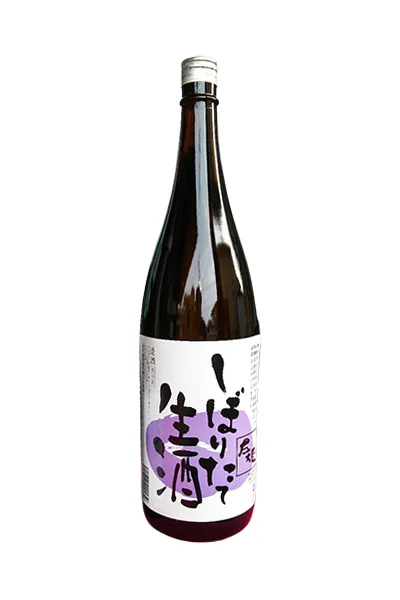
- Sadaijin Shiboritate Namazake左大臣 しぼりたて生酒
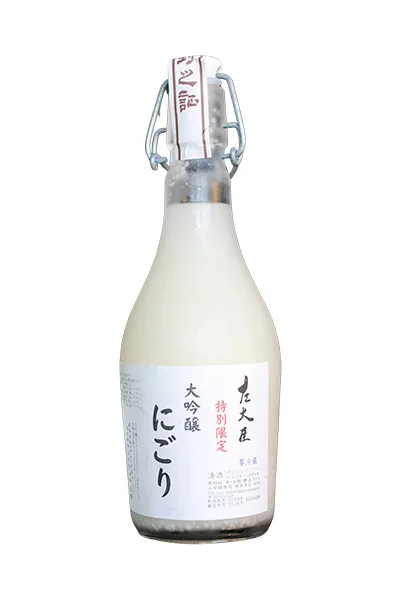
- Sadaijin Daiginjo Nigori左大臣 大吟醸 にごり
- Sadaijin Tsu左大臣 つ
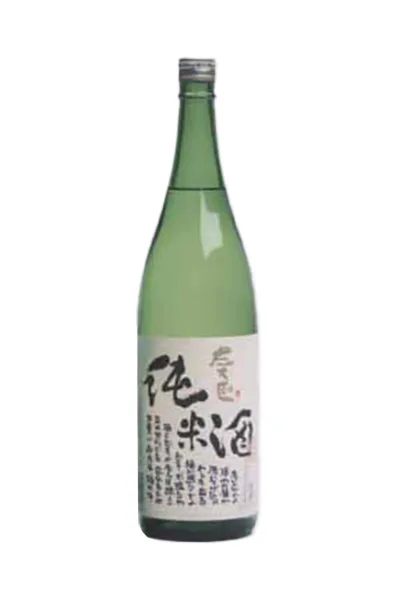
- Sadaijin Junmai sake左大臣 純米酒
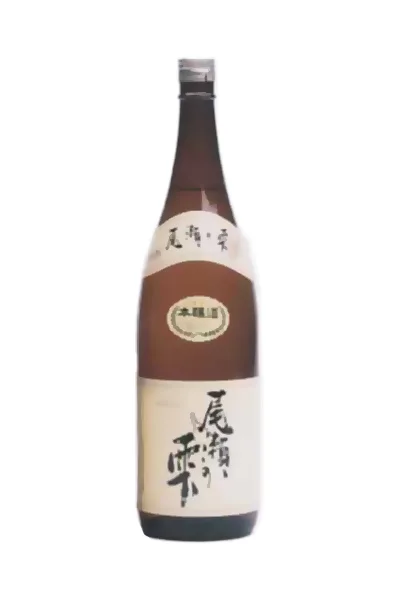
- Sadaijin Oze no Shizuku左大臣 尾瀬の雫
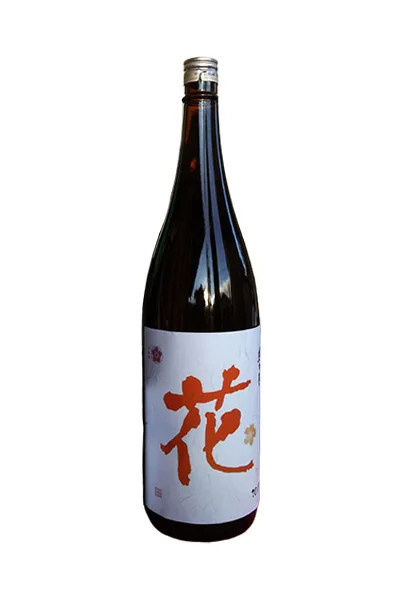
- Sadaijin Hana左大臣 花
- Sadaijin Shizuku-zake左大臣 雫酒
- Sadaijin Sui左大臣 粋
- Sadaijin Hana Ichimonme左大臣 花一匁
- Sadaijin Bokyo Nigori Sake左大臣 望郷 にごり酒