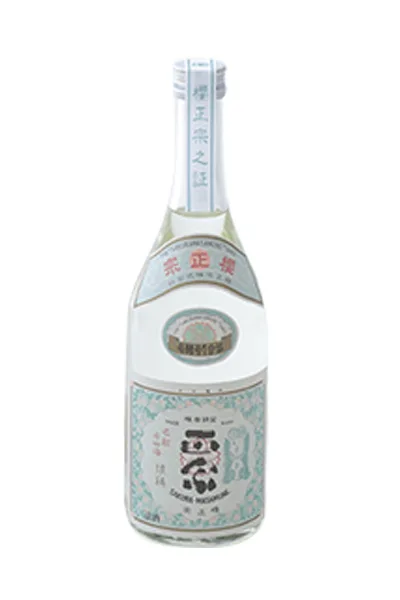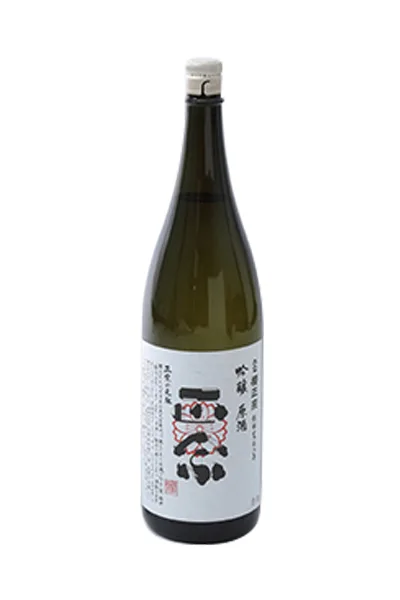
Sakura Masamune Masamune Ginjo Genshu
櫻正宗 正宗 吟醸原酒Ginjo, Yamada Nishiki rice polished to 60%, undiluted (genshu)
Sakura Masamune — Sakura Masamune, Hyogo
A ginjo sake brimming with the concentrated umami of rice
Specifications
- Type
- Ginjo
- Rice
- Yamada Nishiki
- Rice polishing ratio
- 60%40% of each grain polished away
- Yeast
- Not disclosed
- Alcohol
- 18–19%
- Sake meter value
- +4dry
- Acidity
- 1.6
How to read these
- Type
- The grade printed on the label. It depends on the ingredients (rice only, or with a little distilled alcohol) and on how far the rice is polished. More
- Rice
- The rice variety. Most premium sake uses varieties grown for brewing, such as Yamada Nishiki. More
- Rice polishing ratio
- How much of each grain is left after polishing. A lower number means more was milled away, which usually gives a lighter, more aromatic sake. More
- Yeast
- The yeast strain, which shapes the aroma. More
- Alcohol
- Alcohol by volume. Most sake is 15–16%; undiluted (genshu) sake is often 17–18%. More
- Sake meter value
- A sweet-to-dry scale. Plus is drier, minus is sweeter. Acidity changes how it tastes, so treat it as a rough guide. More
- Acidity
- Total acid. Higher tends to taste fuller and drier; lower tastes lighter and sweeter. More
Flavor profile Full & complex
Full & complex — aromatic and full-bodied, including aged sake. Known in Japan as juku-shu (熟酒).
The text stresses concentrated rice umami and a full, mellow character, and the genshu at 18–19% supports a rich body with moderate ginjo aroma. An SMV of +4 and acidity of 1.6 point to balanced sweetness that leans only slightly dry.
Estimated by AI from the published specifications and the brewery's description; your impression may differ.
About
Masamune Ginjo Genshu is a ginjo sake brewed from Yamada Nishiki, a sake rice grown in Hyogo Prefecture and polished to a rice polishing ratio of 60%, bringing out the rich umami of the rice. The brewery takes pride in having been the first to use the name “Masamune,” now a byword for fine sake, and this bottle was made with great care. To let its full, mellow flavor come through, it is a genshu (undiluted sake), with no water added to adjust the alcohol content.
Other sake from this brand 14
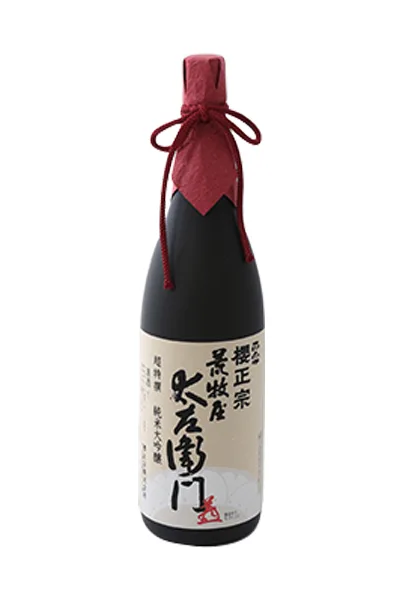
- Sakura Masamune Aramakiya Tazaemon櫻正宗 荒牧屋 太左衛門
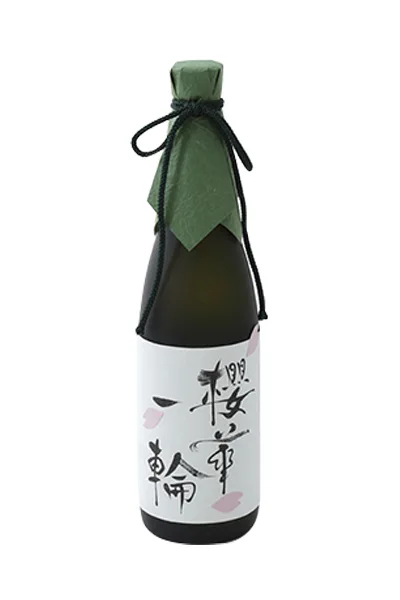
- Sakura Masamune Sakuka Ichirin櫻正宗 櫻華一輪
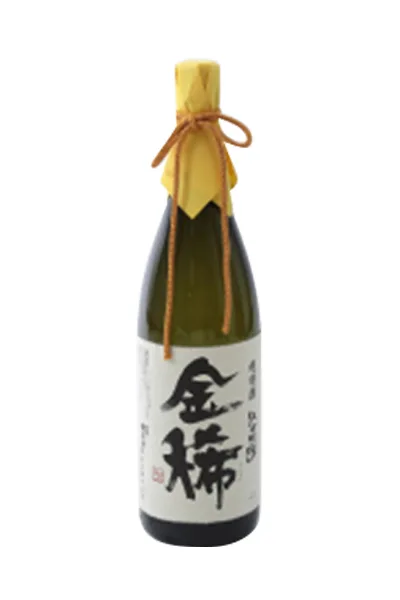
- Sakura Masamune Kinmare櫻正宗 金稀
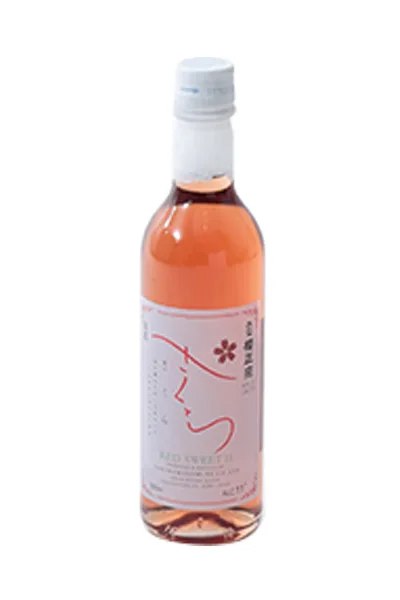
- Sakura RED SWEET 11さくら RED SWEET 11
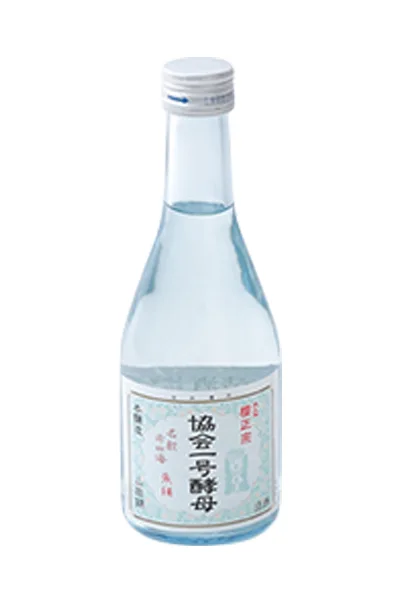
- Sakura Masamune Shuki Kyokai No. 1 Yeast櫻正宗 朱稀 協会一号酵母
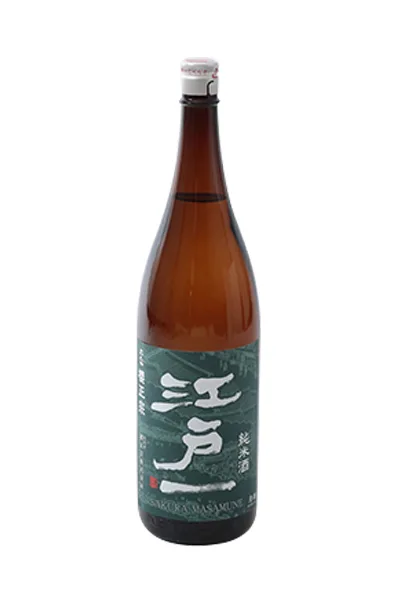
- Sakura Masamune Edoichi Junmai櫻正宗 江戸一 純米
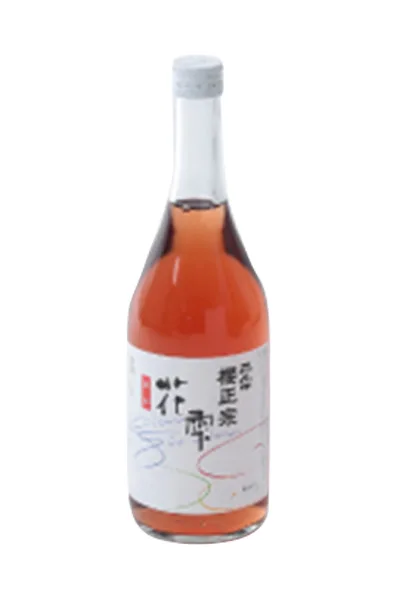
- Sakura Masamune Hanashizuku Aka櫻正宗 花雫あか
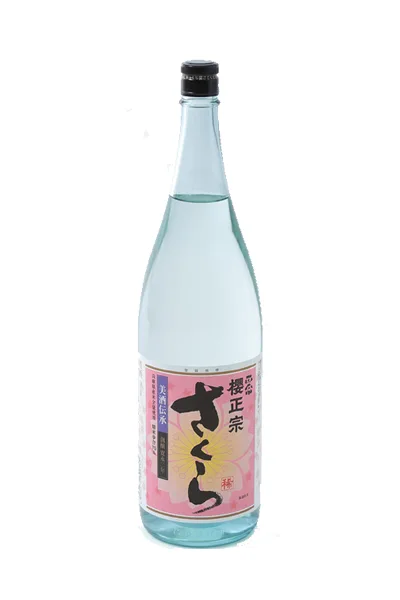
- Sakura Masamune Mare Sakura櫻正宗 稀 さくら
- Sakura Masamune Miyamizu no Hana Tokubetsu Junmai櫻正宗 宮水の華 特別純米
- Sakura Masamune Shuki Honjozo櫻正宗 朱稀 本醸造
- Sakura Masamune Yakimare Kyokai No. 1 Yeast櫻正宗 焼稀 協会一号酵母