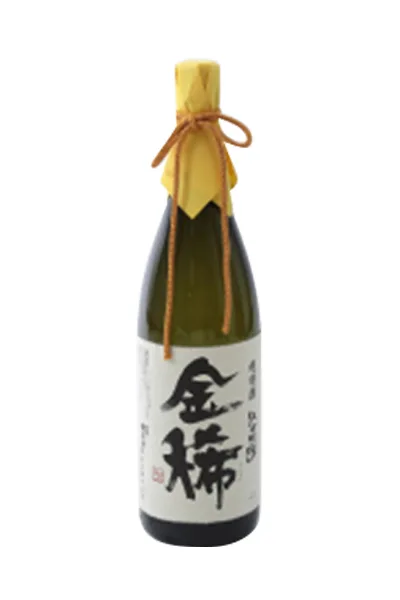
Sakura Masamune Kinmare
櫻正宗 金稀Junmai ginjo, Yamada Nishiki rice polished to 60%
Sakura Masamune — Sakura Masamune, Hyogo
Subtle fruit aromas on the nose, with a dried-fruit sweetness and acidity that linger on the finish.
Specifications
- Type
- Junmai Ginjo
- Rice
- Yamada Nishiki
- Rice polishing ratio
- 60%40% of each grain polished away
- Yeast
- Kyokai No. 1
- Alcohol
- 16–17%
- Sake meter value
- +2slightly dry
- Acidity
- 1.5
How to read these
- Type
- The grade printed on the label. It depends on the ingredients (rice only, or with a little distilled alcohol) and on how far the rice is polished. More
- Rice
- The rice variety. Most premium sake uses varieties grown for brewing, such as Yamada Nishiki. More
- Rice polishing ratio
- How much of each grain is left after polishing. A lower number means more was milled away, which usually gives a lighter, more aromatic sake. More
- Yeast
- The yeast strain, which shapes the aroma. More
- Alcohol
- Alcohol by volume. Most sake is 15–16%; undiluted (genshu) sake is often 17–18%. More
- Sake meter value
- A sweet-to-dry scale. Plus is drier, minus is sweeter. Acidity changes how it tastes, so treat it as a rough guide. More
- Acidity
- Total acid. Higher tends to taste fuller and drier; lower tastes lighter and sweeter. More
Flavor profile Full & complex
Full & complex — aromatic and full-bodied, including aged sake. Known in Japan as juku-shu (熟酒).
The restrained fruity aroma and full, rich body from 60% polished Yamada Nishiki point to a mildly aromatic, mature profile. An SMV of +2 and acidity of 1.5 lean dry, while the dried-fruit sweetness softens the edges.
Estimated by AI from the published specifications and the brewery's description; your impression may differ.
About
Sakuramasamune Chotokusen Kinmare is an authentic junmai ginjo with a rich, full-bodied character. It is made entirely with the highest-quality Yamada Nishiki grown in Yokawa-cho, Yoshikawa, within the Special A district, the top-rated area for Yamada Nishiki, the rice most suited to sake brewing. It is crafted using the traditional techniques passed down since the brand's founding. On opening the bottle, subtle fruity aromas can be sensed on the nose, and the flavor leaves a lingering impression of dried-fruit sweetness and acidity. Overall, it is a dry sake with a full, rounded body. It is a plush, umami-rich expression that epitomizes Sakuramasamune and will appeal to connoisseurs. Serve chilled or warmed to a lukewarm temperature (nurume kan).
Subtle fruity aromas can be sensed on the nose, and the flavor leaves a lingering impression of dried-fruit sweetness and acidity. Overall, it is a dry sake with a full, rounded body.
Other sake from this brand 14
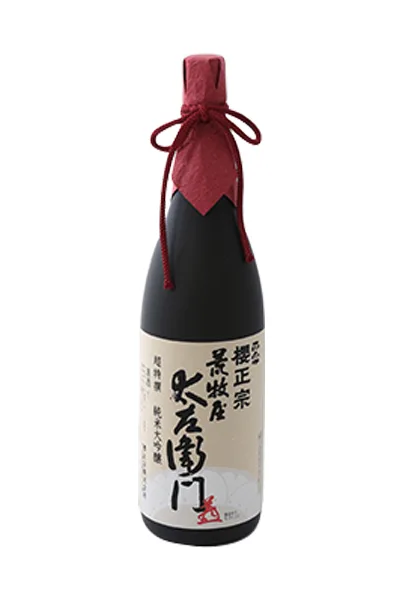
- Sakura Masamune Aramakiya Tazaemon櫻正宗 荒牧屋 太左衛門
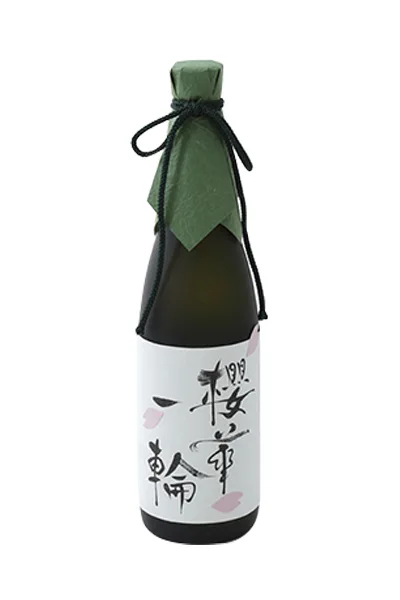
- Sakura Masamune Sakuka Ichirin櫻正宗 櫻華一輪
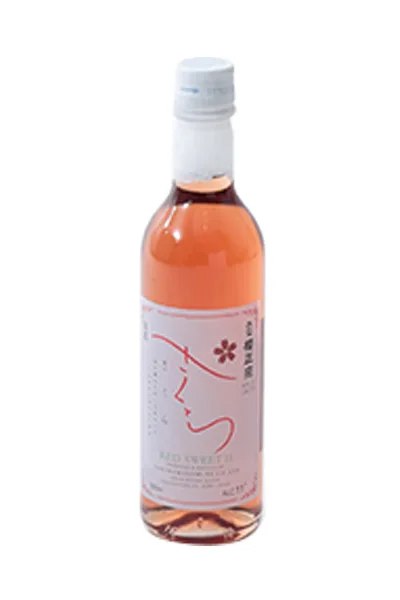
- Sakura RED SWEET 11さくら RED SWEET 11
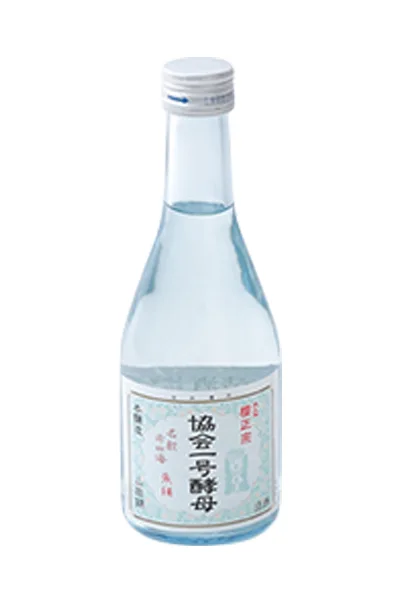
- Sakura Masamune Shuki Kyokai No. 1 Yeast櫻正宗 朱稀 協会一号酵母
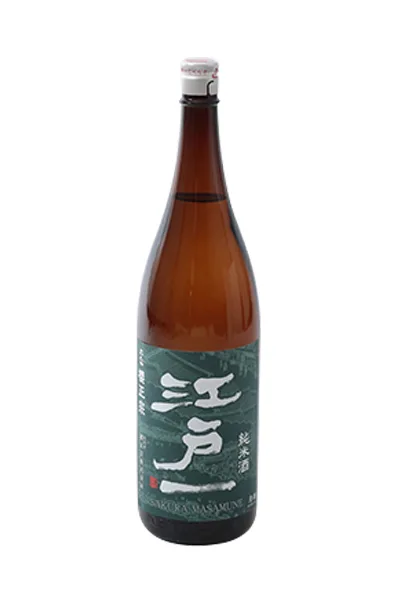
- Sakura Masamune Edoichi Junmai櫻正宗 江戸一 純米
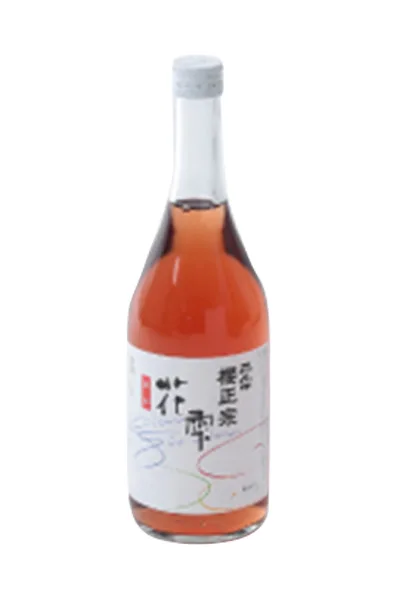
- Sakura Masamune Hanashizuku Aka櫻正宗 花雫あか
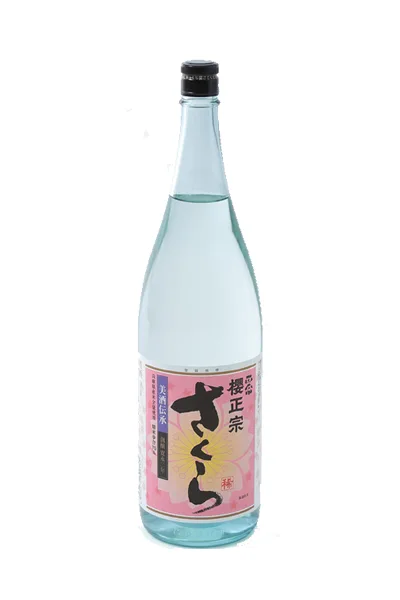
- Sakura Masamune Mare Sakura櫻正宗 稀 さくら
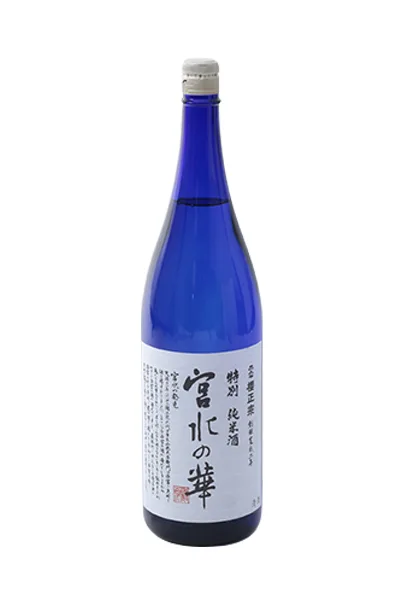
- Sakura Masamune Miyamizu no Hana Tokubetsu Junmai櫻正宗 宮水の華 特別純米
- Sakura Masamune Shuki Honjozo櫻正宗 朱稀 本醸造
- Sakura Masamune Masamune Ginjo Genshu櫻正宗 正宗 吟醸原酒
- Sakura Masamune Yakimare Kyokai No. 1 Yeast櫻正宗 焼稀 協会一号酵母