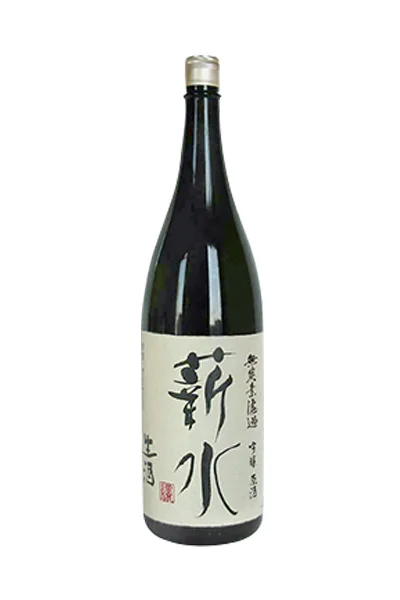
Sakura Masamune Shinsui Ginjo Nama Genshu
櫻正宗 薪水Ginjo, Yamada Nishiki rice polished to 60%, unfiltered, unpasteurized and undiluted (muroka nama genshu)
Sakura Masamune — Sakura Masamune, Hyogo
Refined sweetness and rich flavor, with a faint bitterness and a full-bodied dry finish
Specifications
- Type
- Ginjo
- Rice
- Yamada Nishiki
- Rice polishing ratio
- 60%40% of each grain polished away
- Yeast
- Kyokai No. 1
- Alcohol
- 18–19%
- Sake meter value
- +4dry
- Acidity
- 1.6
How to read these
- Type
- The grade printed on the label. It depends on the ingredients (rice only, or with a little distilled alcohol) and on how far the rice is polished. More
- Rice
- The rice variety. Most premium sake uses varieties grown for brewing, such as Yamada Nishiki. More
- Rice polishing ratio
- How much of each grain is left after polishing. A lower number means more was milled away, which usually gives a lighter, more aromatic sake. More
- Yeast
- The yeast strain, which shapes the aroma. More
- Alcohol
- Alcohol by volume. Most sake is 15–16%; undiluted (genshu) sake is often 17–18%. More
- Sake meter value
- A sweet-to-dry scale. Plus is drier, minus is sweeter. Acidity changes how it tastes, so treat it as a rough guide. More
- Acidity
- Total acid. Higher tends to taste fuller and drier; lower tastes lighter and sweeter. More
Flavor profile Full & complex
Full & complex — aromatic and full-bodied, including aged sake. Known in Japan as juku-shu (熟酒).
Ginjo-grade undiluted nama genshu at 18–19% with SMV +4 and acidity 1.6 points to a full, aromatic profile. The description's refined sweetness and firm dryness place it in juku with moderate sweetness.
Estimated by AI from the published specifications and the brewery's description; your impression may differ.
About
Limited quantity and limited-time release: approximately November through February Sakuramasamune Shinsui Ginjo is an as-pressed Ginjo nama genshu, bottled without the carbon filtration used to adjust flavor and aroma, without pasteurization (hiire, heat sterilization), and without water addition (warimizu) to adjust the alcohol content, all of which are part of the standard sake production process. Until now this sake could only be enjoyed at the brewery. For this limited-time release, the brewery has given it the name Shinsui, the brand name used before the brewery adopted the name Masamune. Serve well chilled or on the rocks. Because this is an unpasteurized sake, its components continue to change during storage, so please drink it as soon as possible. Refrigeration required. Best-before period: 30 days. (Note: the 'Ginjo' in the label name refers to the sake category.)
Other sake from this brand 14
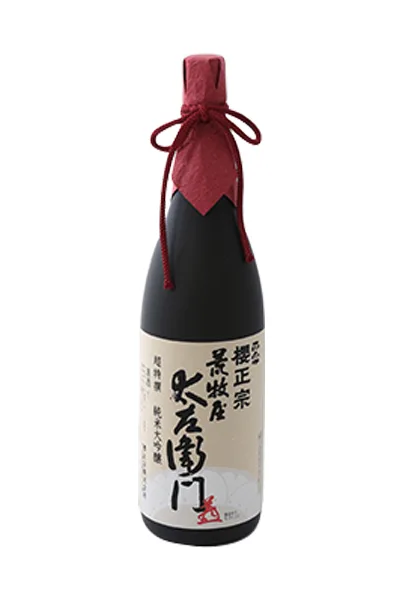
- Sakura Masamune Aramakiya Tazaemon櫻正宗 荒牧屋 太左衛門
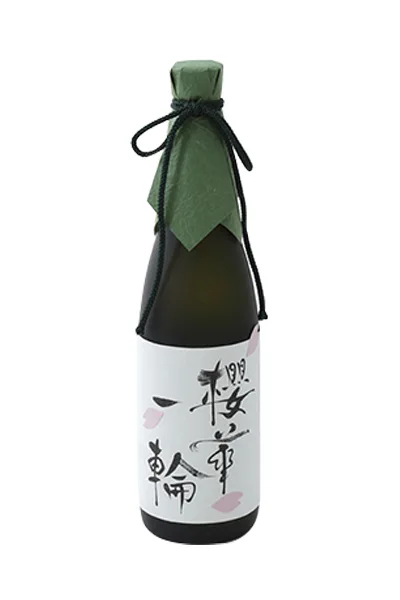
- Sakura Masamune Sakuka Ichirin櫻正宗 櫻華一輪
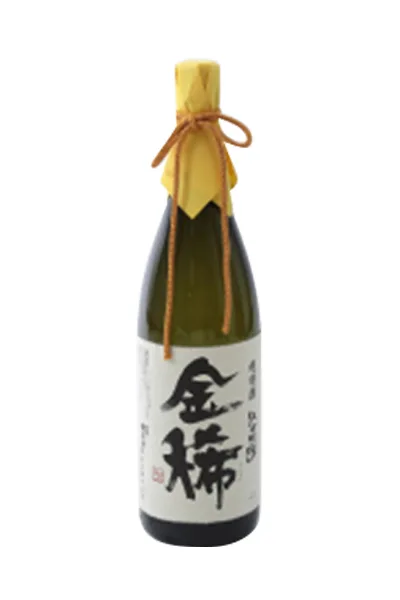
- Sakura Masamune Kinmare櫻正宗 金稀
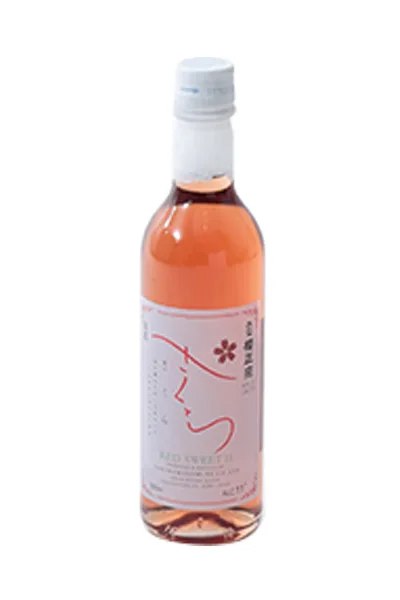
- Sakura RED SWEET 11さくら RED SWEET 11
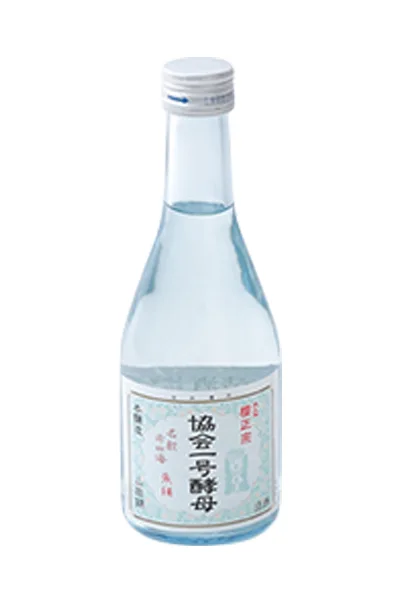
- Sakura Masamune Shuki Kyokai No. 1 Yeast櫻正宗 朱稀 協会一号酵母
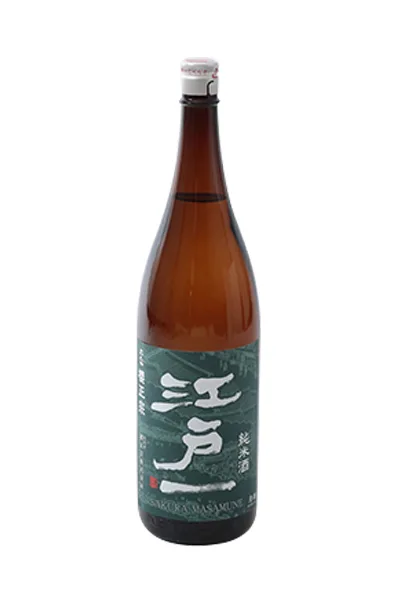
- Sakura Masamune Edoichi Junmai櫻正宗 江戸一 純米
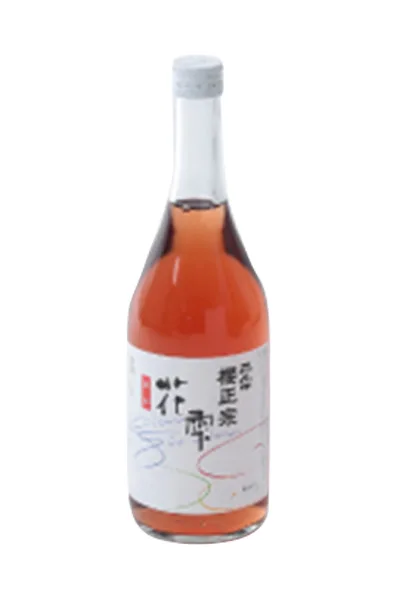
- Sakura Masamune Hanashizuku Aka櫻正宗 花雫あか
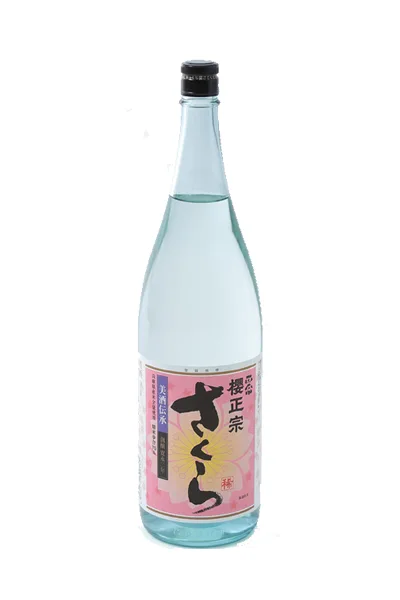
- Sakura Masamune Mare Sakura櫻正宗 稀 さくら
- Sakura Masamune Miyamizu no Hana Tokubetsu Junmai櫻正宗 宮水の華 特別純米
- Sakura Masamune Shuki Honjozo櫻正宗 朱稀 本醸造
- Sakura Masamune Masamune Ginjo Genshu櫻正宗 正宗 吟醸原酒
- Sakura Masamune Yakimare Kyokai No. 1 Yeast櫻正宗 焼稀 協会一号酵母