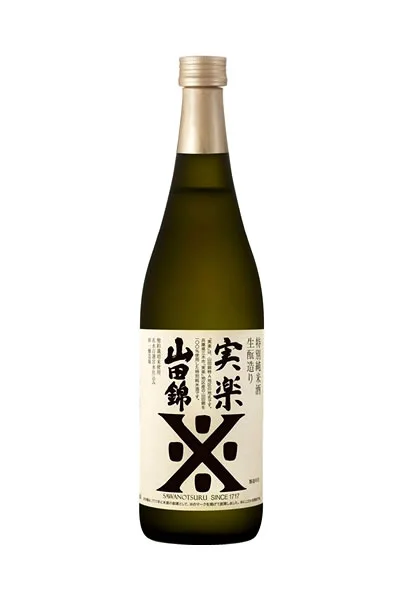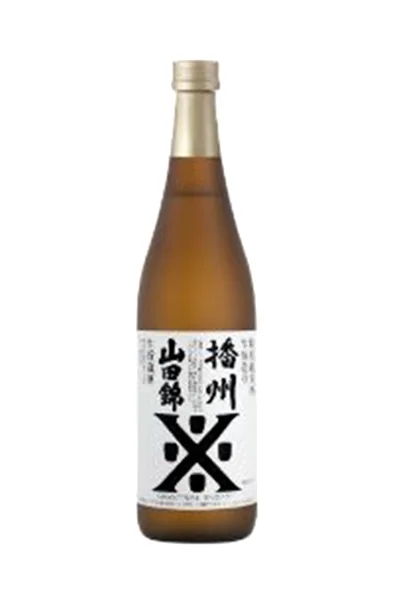
Sawanotsuru Tokubetsu Junmai Banshu Yamada Nishiki Namachozo
沢の鶴 特別純米酒 播州山田錦 生貯蔵酒Tokubetsu junmai, Yamada Nishiki rice polished to 70%, stored unpasteurized (namachozo)
Sawanotsuru — Sawanotsuru, Hyogo
Freshness straight from the tank, made with Yamada Nishiki. The aroma and taste unique to namachozo.
Specifications
- Type
- Tokubetsu Junmai
- Rice
- Not disclosed
- Rice polishing ratio
- 70%30% of each grain polished away
- Yeast
- Not disclosed
- Alcohol
- 14.5%
- Sake meter value
- +2.5slightly dry
- Acidity
- 1.8
How to read these
- Type
- The grade printed on the label. It depends on the ingredients (rice only, or with a little distilled alcohol) and on how far the rice is polished. More
- Rice
- The rice variety. Most premium sake uses varieties grown for brewing, such as Yamada Nishiki. More
- Rice polishing ratio
- How much of each grain is left after polishing. A lower number means more was milled away, which usually gives a lighter, more aromatic sake. More
- Yeast
- The yeast strain, which shapes the aroma. More
- Alcohol
- Alcohol by volume. Most sake is 15–16%; undiluted (genshu) sake is often 17–18%. More
- Sake meter value
- A sweet-to-dry scale. Plus is drier, minus is sweeter. Acidity changes how it tastes, so treat it as a rough guide. More
- Acidity
- Total acid. Higher tends to taste fuller and drier; lower tastes lighter and sweeter. More
Flavor profile Aromatic & light
Aromatic & light — fruity, floral aroma with a light body. Known in Japan as kun-shu (薫酒).
The text describes a light fruity new-sake aroma from the namachozo style, pointing to a mildly aromatic profile. Acidity of 1.8 and 70% polishing add some substance, while SMV +2.5 keeps it fairly dry and light, placing it in the kun quadrant.
Estimated by AI from the published specifications and the brewery's description; your impression may differ.
About
A greeting from Nishimuki (西向), our brewing manager and a craftsman of singing sake brewing who also researches and preserves the Tamba-ryu Sakezukuri Uta (Tamba-style sake-brewing songs). The rice used for our Tokubetsu Junmai Jitsuraku (実楽) is so scarce that it is hard to obtain at times. Even so, we wanted more people to enjoy a sake made with 100% Hyogo-grown Yamada Nishiki, so we expanded our sourcing area to Banshu. We would be sad if it were misunderstood as 'So it isn't as good as Jitsuraku...?', so we made this sake a namachozo (sake stored unpasteurized). It has a gentle, fruit-like aroma typical of new sake. If you want to enjoy the fresh flavor of newly made sake, try Hyogo-produced Banshu Yamada Nishiki Namachozo.
Other sake from this brand 7
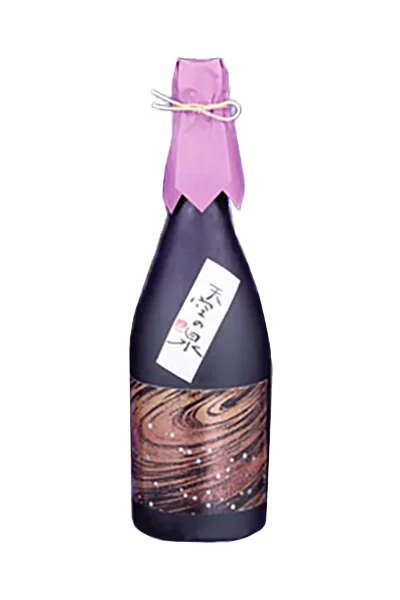
- Sawanotsuru Junmai Daiginjo Tenku no Izumi沢の鶴 純米大吟醸 天空の泉
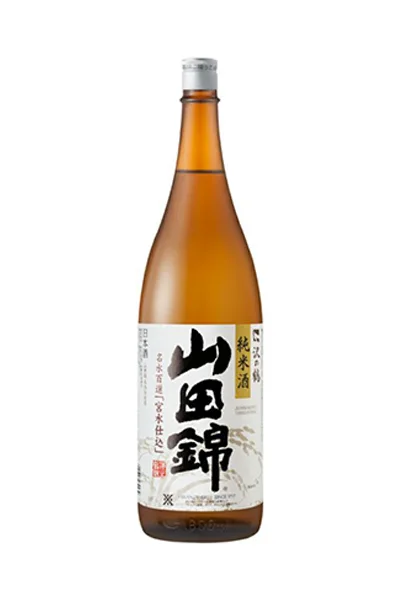
- Sawanotsuru Junmai sake Yamada Nishiki沢の鶴 純米酒 山田錦
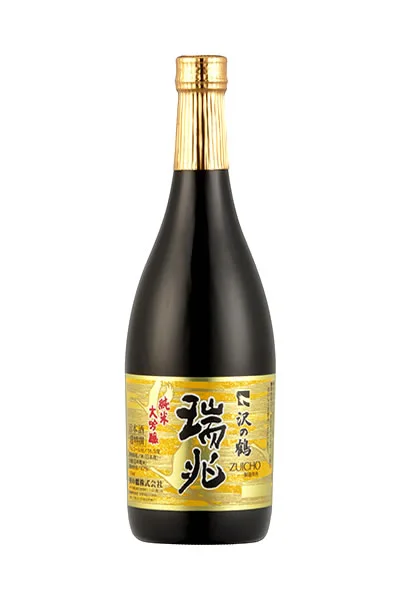
- Sawanotsuru Junmai Daiginjo Zuicho沢の鶴 純米大吟醸 瑞兆
- Sawanotsuru Tokubetsu Junmai Jitsuraku Yamada Nishiki沢の鶴 特別純米酒 実楽山田錦
- Sawanotsuru Tokubetsu Junmai Zenryo Yamada Nishiki沢の鶴 特別純米酒 全量山田錦
- Sawanotsuru Ginjo Zuicho沢の鶴 吟醸 瑞兆