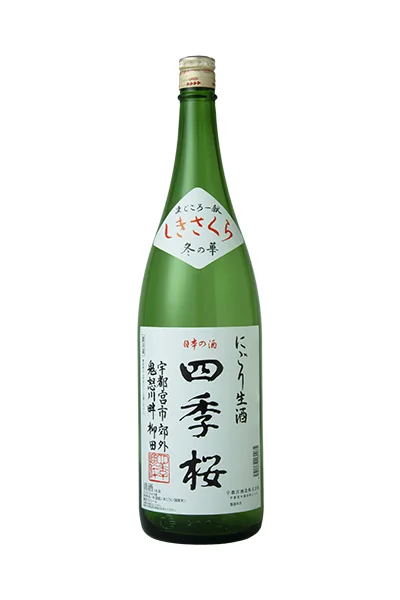
Shikisakura Nigori Namazake Fuyu no Hana
四季桜 にごり生酒 冬の華Rice polished to 65%, unpasteurized (nama), cloudy (nigori)
Shikisakura — Utsunomiya Shuzo, Tochigi
A limited seasonal release
Specifications
- Type
- Other
- Rice
- Not disclosed
- Rice polishing ratio
- 65%35% of each grain polished away
- Yeast
- Kyokai No. 7
- Alcohol
- 15%
- Sake meter value
- -2slightly sweet
- Acidity
- 1.4
How to read these
- Type
- The grade printed on the label. It depends on the ingredients (rice only, or with a little distilled alcohol) and on how far the rice is polished. More
- Rice
- The rice variety. Most premium sake uses varieties grown for brewing, such as Yamada Nishiki. More
- Rice polishing ratio
- How much of each grain is left after polishing. A lower number means more was milled away, which usually gives a lighter, more aromatic sake. More
- Yeast
- The yeast strain, which shapes the aroma. More
- Alcohol
- Alcohol by volume. Most sake is 15–16%; undiluted (genshu) sake is often 17–18%. More
- Sake meter value
- A sweet-to-dry scale. Plus is drier, minus is sweeter. Acidity changes how it tastes, so treat it as a rough guide. More
- Acidity
- Total acid. Higher tends to taste fuller and drier; lower tastes lighter and sweeter. More
Flavor profile Clean & dry
RestrainedAromatic
RichLight
Clean & dry — restrained aroma, crisp and refreshing. Known in Japan as so-shu (爽酒).
An SMV of -2 with low acidity of 1.4 and the nigori texture point to a sweet, soft profile, while nama fermentation gas adds freshness. Aroma is modest and the body light, matching the approachable style described.
Estimated by AI from the published specifications and the brewery's description; your impression may differ.
About
The carbonation produced during fermentation gives it a refreshing character, so it can also be enjoyed by those who find sake difficult to drink.
On sale from early December to mid-April.
Other sake from this brand 14
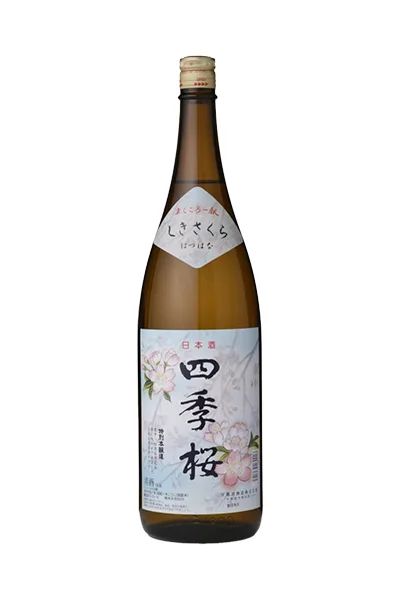
- Shikisakura Tokubetsu Honjozo Hatsuhana四季桜 特別本醸造 はつはな
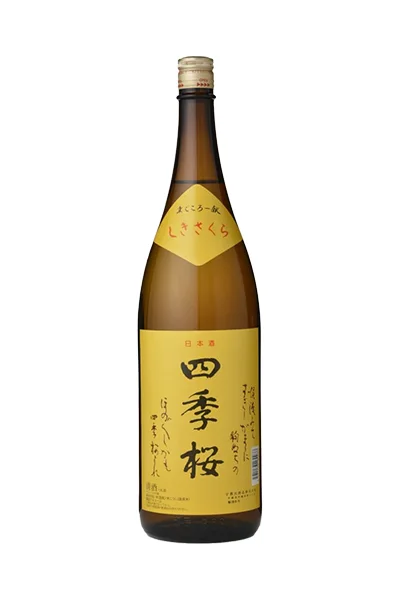
- Shikisakura Futsushu四季桜 普通酒
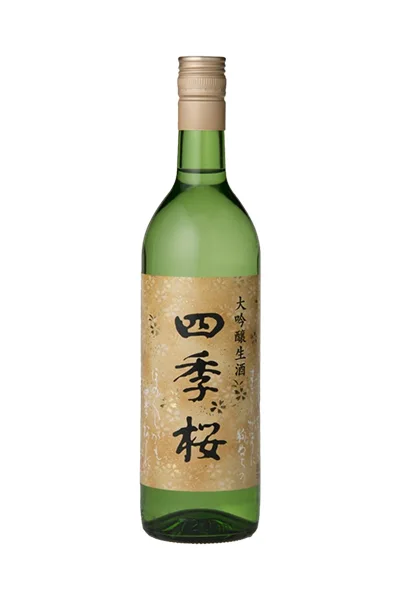
- Shikisakura Daiginjo Namazake四季桜 大吟醸生酒
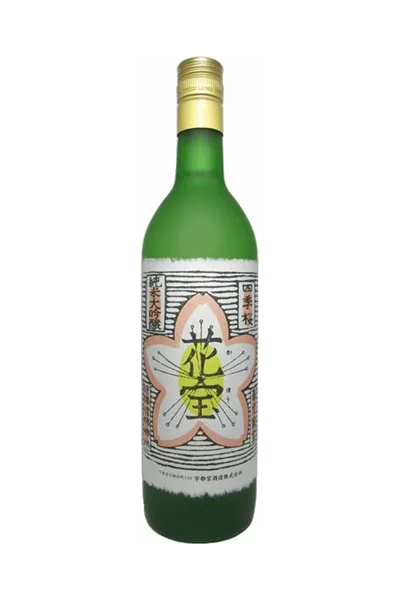
- Shikisakura Junmai sake Kaho四季桜 純米酒 花宝
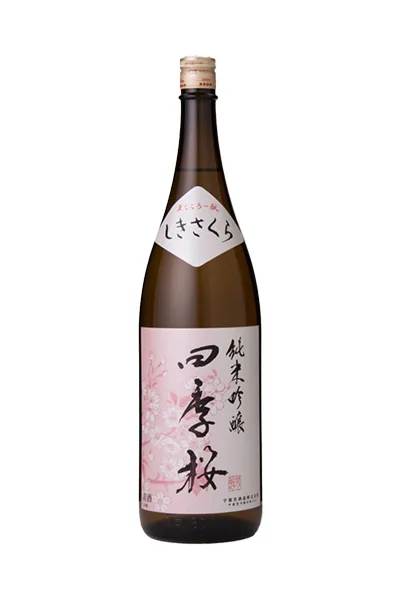
- Shikisakura Junmai Ginjo四季桜 純米吟醸
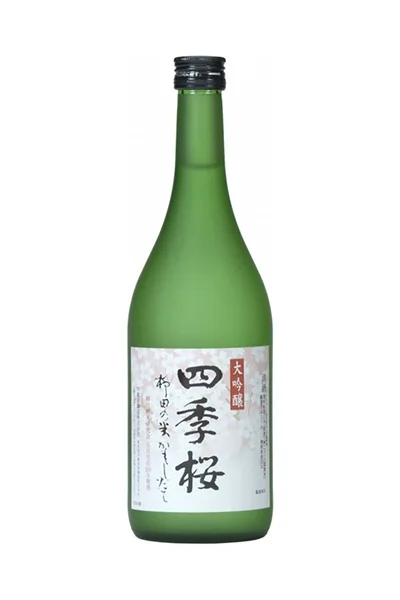
- Shikisakura Yanagita no Kome Kamoshitate四季桜 柳田の米 かもしたて
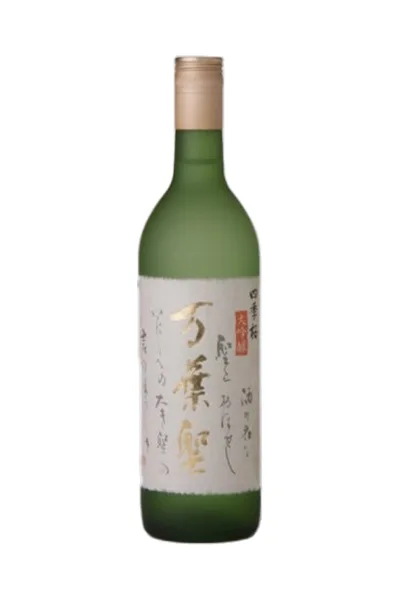
- Shikisakura Daiginjo Manyohijiri四季桜 大吟醸 万葉聖
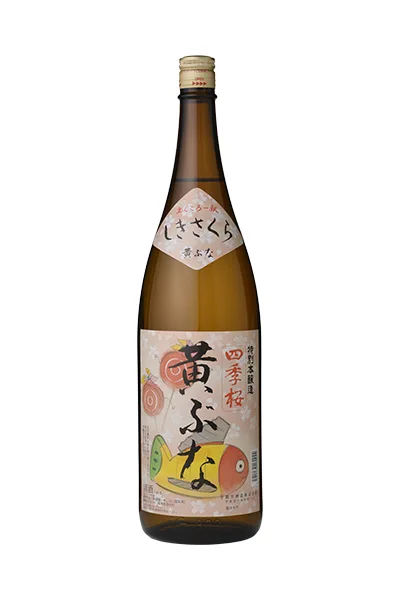
- Shikisakura Kibuna四季桜 黄ぶな
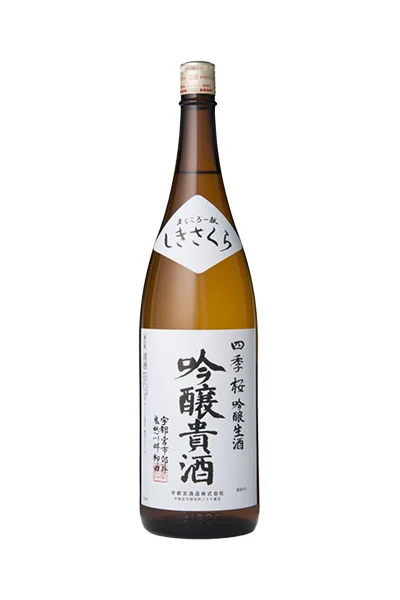
- Shikisakura Ginjo Kishu四季桜 吟醸貴酒
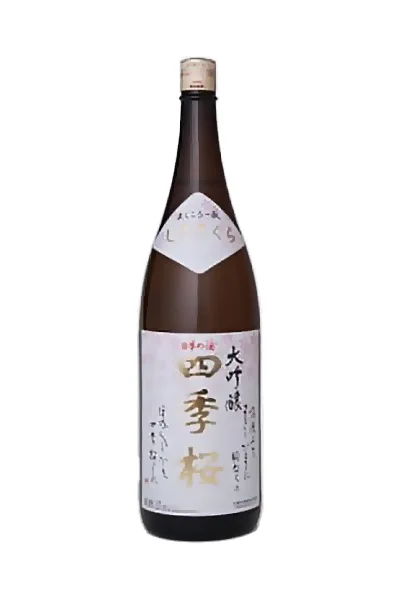
- Shikisakura Daiginjo四季桜 大吟醸
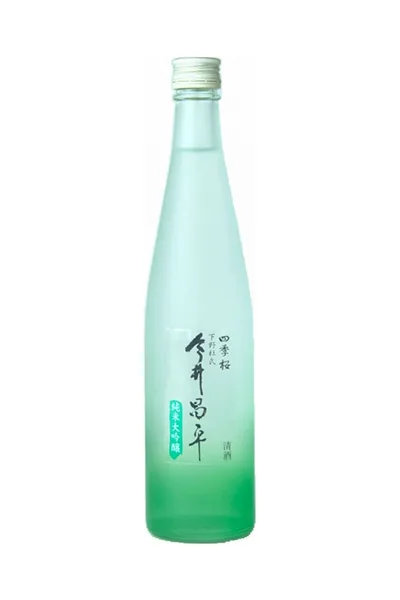
- Shikisakura Junmai Ginjo Imai Shohei四季桜 純米吟醸 今井昌平
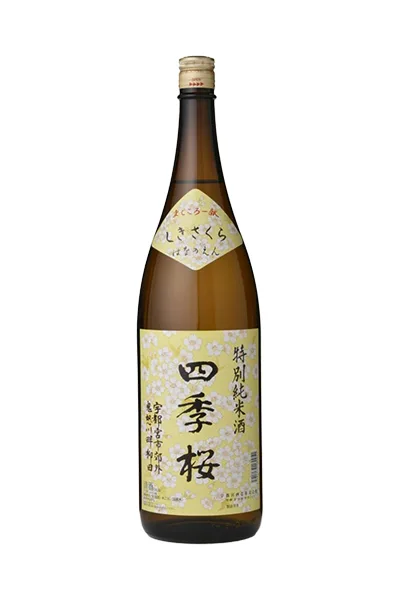
- Shikisakura Tokubetsu Junmai Hana no En四季桜 特別純米酒 はなのえん