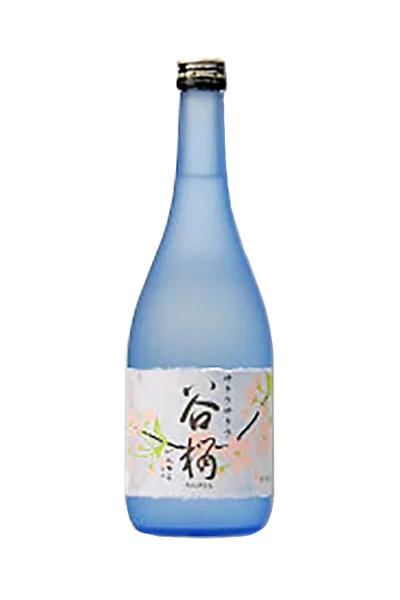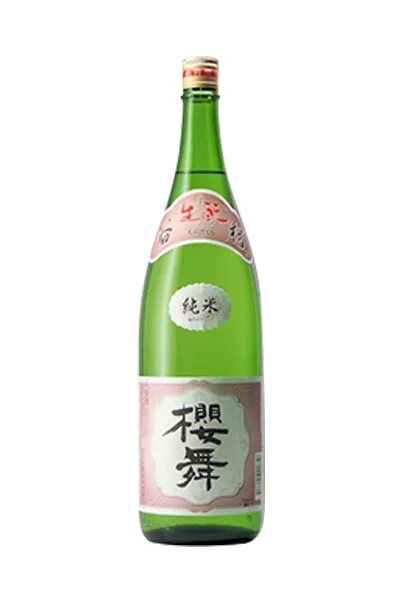
Tanizakura Sakuramai
谷桜 櫻舞Junmai, rice polished to 55%, kimoto starter
Tanizakura — Tanizakura Shuzo, Yamanashi
A kimoto junmai sake that pairs well with meat dishes.
Specifications
- Type
- Junmai Shu
- Rice
- Not disclosed
- Rice polishing ratio
- 55%45% of each grain polished away
- Yeast
- Not disclosed
- Alcohol
- 14–14.9%
- Sake meter value
- +3slightly dry
How to read these
- Type
- The grade printed on the label. It depends on the ingredients (rice only, or with a little distilled alcohol) and on how far the rice is polished. More
- Rice
- The rice variety. Most premium sake uses varieties grown for brewing, such as Yamada Nishiki. More
- Rice polishing ratio
- How much of each grain is left after polishing. A lower number means more was milled away, which usually gives a lighter, more aromatic sake. More
- Yeast
- The yeast strain, which shapes the aroma. More
- Alcohol
- Alcohol by volume. Most sake is 15–16%; undiluted (genshu) sake is often 17–18%. More
- Sake meter value
- A sweet-to-dry scale. Plus is drier, minus is sweeter. Acidity changes how it tastes, so treat it as a rough guide. More
Flavor profile Rich & umami
Rich & umami — rice-driven umami and a fuller body. Known in Japan as jun-shu (醇酒).
As a kimoto junmai polished to 55% with an SMV of +3, it should show restrained aroma, with lactic acidity and umami giving a fuller body and a slightly dry profile that suits rich meat dishes.
Estimated by AI from the published specifications and the brewery's description; your impression may differ.
About
Kimoto brewing (a traditional starter method in which naturally occurring lactic acid bacteria are cultivated) was practiced until the early Meiji period, in the 1870s. This method is an ingenious approach born of the wisdom and experience of our predecessors, who skillfully harnessed the workings of nature. In today's production process, ready-made lactic acid is used and the starter takes 7 to 14 days, whereas kimoto brewing is a laborious, time-consuming method that takes 26 to 30 days or more. By cultivating naturally occurring lactic acid bacteria, the lactic acid they produce suppresses harmful bacteria and prepares an environment for yeast to grow. Once its purpose is achieved, the lactic acid bacteria naturally die off as the acidity they produced builds up. This ideal natural method is what brought Sakuramai to completion.
Other sake from this brand 15
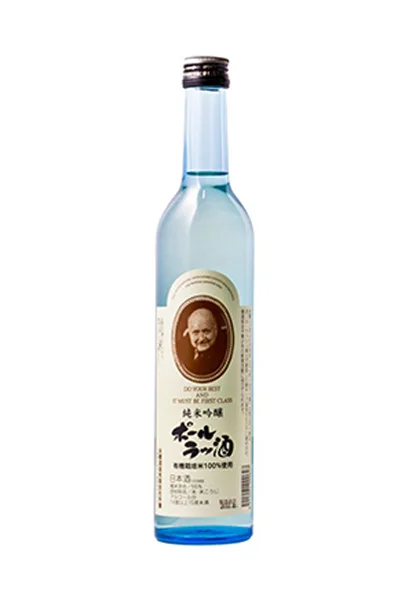
- Tanizakura Poru Rasshu谷桜 ポールラッ酒
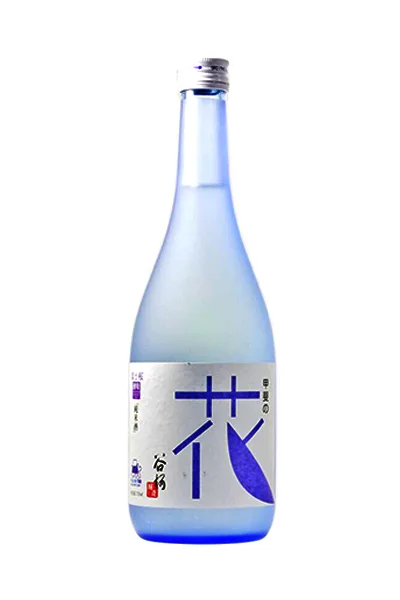
- Tanizakura Kai no Hana谷桜 甲斐の花
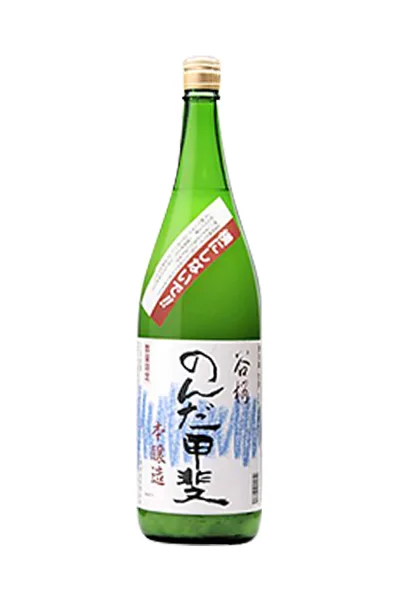
- Tanizakura Nonda Kai谷桜 のんだ甲斐
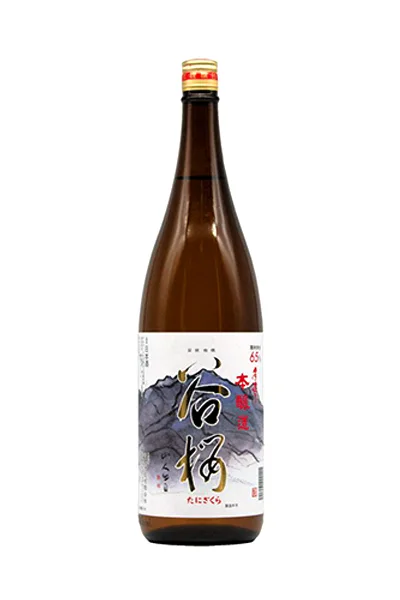
- Tanizakura Honjozo谷桜 本醸造
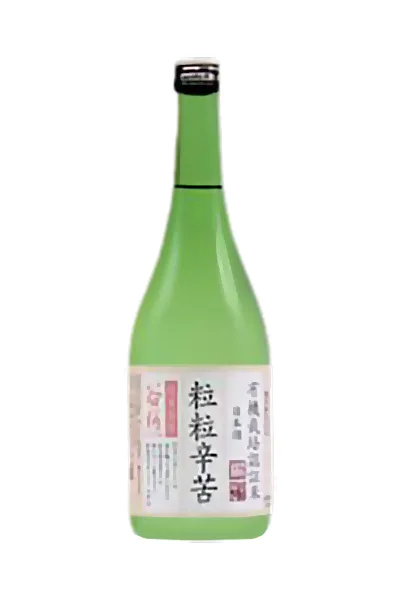
- Tanizakura Ryuryu Shinku谷桜 粒粒辛苦
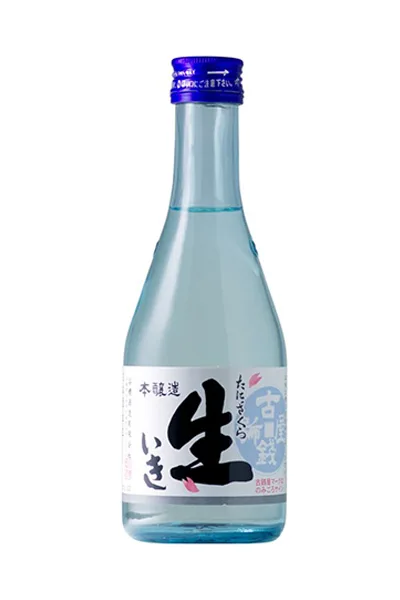
- Tanizakura Honjozo Nama Iki谷桜 本醸造 生いき
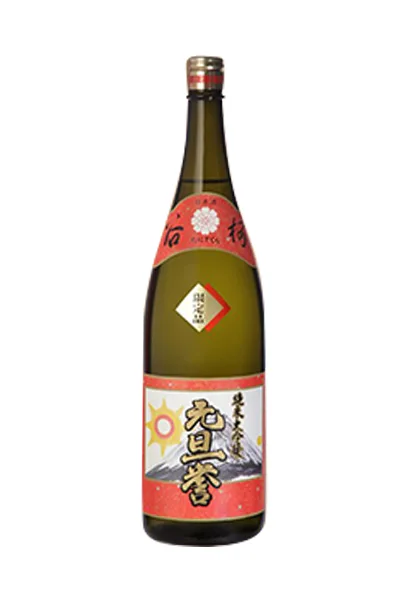
- Tanizakura Gantan Homare谷桜 元旦誉
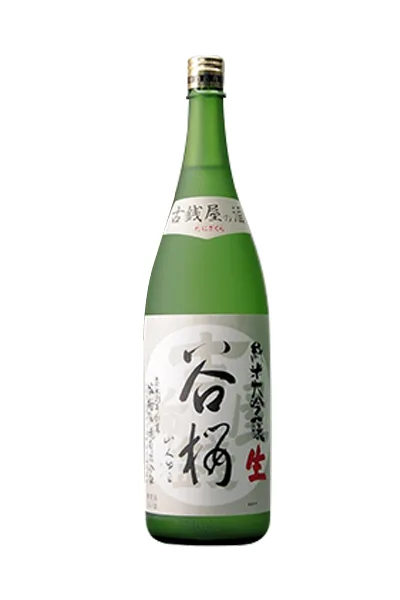
- Tanizakura Kosenya no Sake谷桜 古銭屋の酒
- Tanizakura Sakura Sakura谷桜 桜さくら
- Tanizakura Kita no Mori谷桜 北の杜
- Tanizakura Yatsugatake谷桜 八ヶ岳