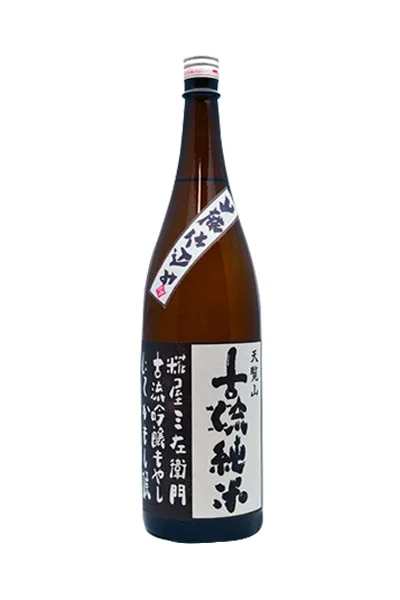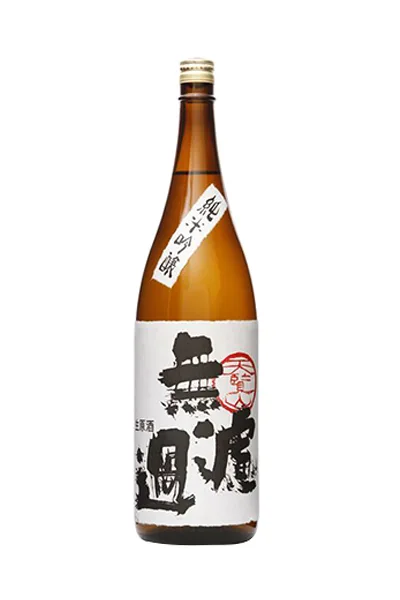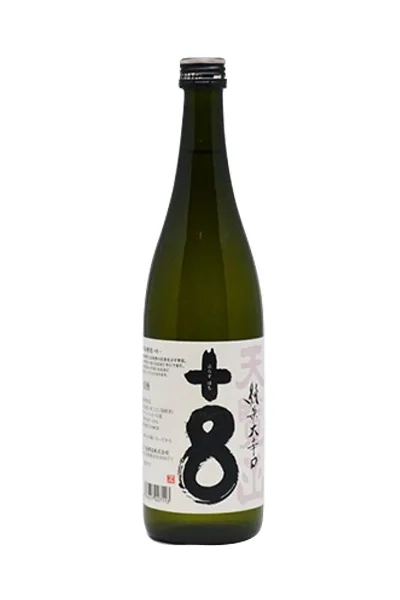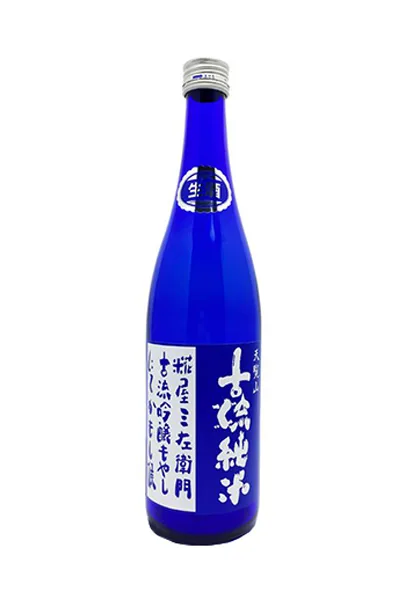
Tenranzan Koryu Junmai Nama Genshu
天覧山 古流純米 生原酒Junmai, rice polished to 65%, unpasteurized and undiluted (nama genshu)
A refreshing aroma and a firm, well-structured body
Specifications
- Type
- Junmai Shu
- Rice
- Not disclosed
- Rice polishing ratio
- 65%35% of each grain polished away
- Yeast
- Not disclosed
- Alcohol
- 17–18%
- Sake meter value
- +0medium
- Acidity
- 1.7
How to read these
- Type
- The grade printed on the label. It depends on the ingredients (rice only, or with a little distilled alcohol) and on how far the rice is polished. More
- Rice
- The rice variety. Most premium sake uses varieties grown for brewing, such as Yamada Nishiki. More
- Rice polishing ratio
- How much of each grain is left after polishing. A lower number means more was milled away, which usually gives a lighter, more aromatic sake. More
- Yeast
- The yeast strain, which shapes the aroma. More
- Alcohol
- Alcohol by volume. Most sake is 15–16%; undiluted (genshu) sake is often 17–18%. More
- Sake meter value
- A sweet-to-dry scale. Plus is drier, minus is sweeter. Acidity changes how it tastes, so treat it as a rough guide. More
- Acidity
- Total acid. Higher tends to taste fuller and drier; lower tastes lighter and sweeter. More
Flavor profile Full & complex
Full & complex — aromatic and full-bodied, including aged sake. Known in Japan as juku-shu (熟酒).
This 65% polished yamahai genshu nama junmai has a fresh, apple-like aroma and firm body, supported by 17-18% alcohol. SMV 0 and acidity 1.7 give it a slightly sweet, juicy profile, placing it in the juku quadrant.
Estimated by AI from the published specifications and the brewery's description; your impression may differ.
About
This is a shiboritate nama genshu junmai sake brewed by the yamahai method (a traditional yeast-starter method) with a yeast starter called Koryu Ginjo Moyashi. Koryu Ginjo Moyashi is a modern adaptation of a yeast strain revived by Kojiya Sanzaemon, the company known for Kokuban Moyashi, based on a strain it used in Kyoto during the Muromachi period. On the palate, a refreshing aroma and a firm, supple body open up at once. The balance of apple-like sweetness and acidity is juicy and well judged, and the finish is light yet has a solid core that makes it easy to keep drinking. Although it is unpasteurized, it can also be enjoyed lukewarm (nurukan). The youthful character remains, while the umami spreads gently and the aftertaste is smooth and crisp.
Other sake from this brand 10
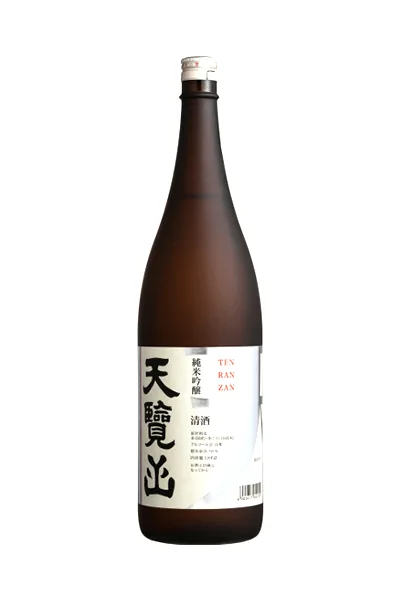
- Tenranzan Junmai Ginjo天覧山 純米吟醸
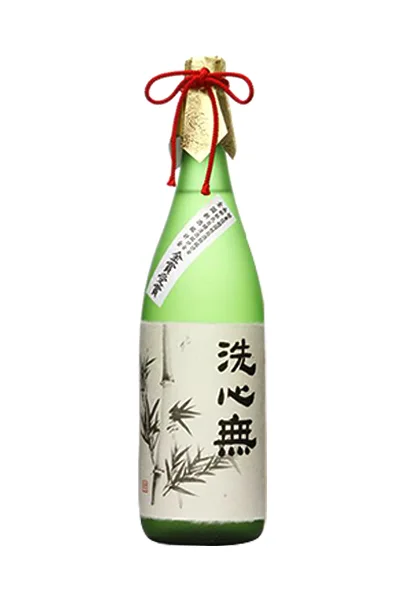
- Tenranzan Daiginjo Senshinmu天覧山 大吟醸 洗心無
- Tenranzan Koryu Junmai Yamahai Shikomi天覧山 古流純米 山廃仕込み
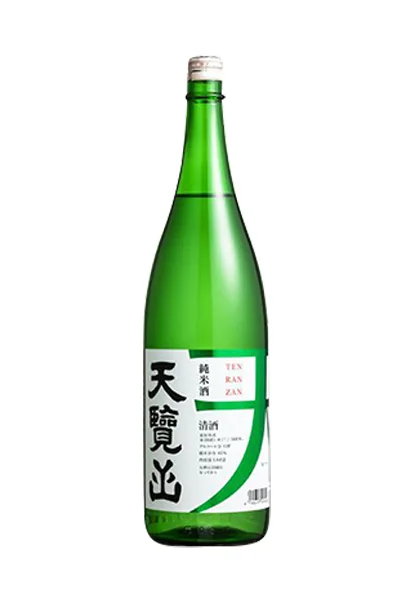
- Tenranzan Junmai天覧山 純米酒
- Tenranzan Junmai Ginjo Muroka Nama Genshu天覧山 純米吟醸 無濾過生原酒
- Tenranzan +8 Purasu Hachi天覧山 +8 ぷらすはち
- Tenranzan Daiginjo Muroka Nama Genshu天覧山 大吟醸 無濾過生原酒
- Tenranzan Daiginjo Koten天覧山 大吟醸 古天
- Tenranzan Junmai Daiginjo Koten (古天)天覧山 純米大吟醸 古天
- Tenranzan Junmai Hiyaoroshi天覧山 純米ひやおろし