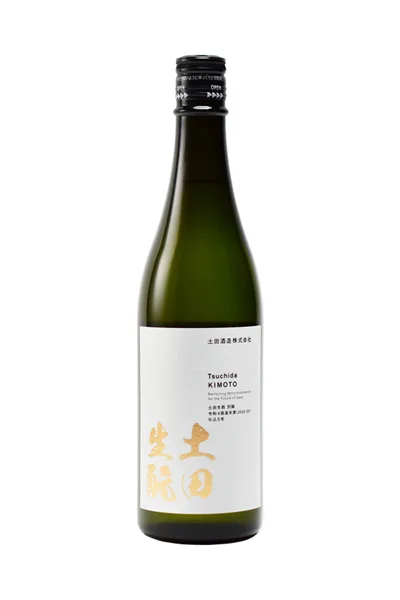
Tsuchida Kimoto Betsu-atsurae No. 5
土田生もと 別誂 5号Junmai ginjo, rice polished to 60%, kimoto starter, specially selected batch
Tsuchida — Tsuchida Shuzo, Gunma
The premium step above the signature Tsuchida Kimoto (traditional yeast-starter method), one of two bottles brewed for competition entry (No. 5 and No. 10).
Specifications
- Type
- Junmai Ginjo
- Rice
- Not disclosed
- Rice polishing ratio
- 60%40% of each grain polished away
- Yeast
- Kyokai No. 701
- Alcohol
- 15%
How to read these
- Type
- The grade printed on the label. It depends on the ingredients (rice only, or with a little distilled alcohol) and on how far the rice is polished. More
- Rice
- The rice variety. Most premium sake uses varieties grown for brewing, such as Yamada Nishiki. More
- Rice polishing ratio
- How much of each grain is left after polishing. A lower number means more was milled away, which usually gives a lighter, more aromatic sake. More
- Yeast
- The yeast strain, which shapes the aroma. More
- Alcohol
- Alcohol by volume. Most sake is 15–16%; undiluted (genshu) sake is often 17–18%. More
Flavor profile Aromatic & light
Aromatic & light — fruity, floral aroma with a light body. Known in Japan as kun-shu (薫酒).
The description of a transparent, floral aroma and a 60% polished junmai ginjo points to high aroma, while the clear texture and kimoto character suggest a lighter-leaning body with moderate richness and restrained sweetness.
Estimated by AI from the published specifications and the brewery's description; your impression may differ.
About
This sake was brewed for entry in the Annual Japan Sake Awards and the Kanto-Shinetsu Regional National Tax Bureau Sake Competition. Tsuchida Shuzo has kept to its own distinctive style, but unfortunately it did not place this year either. Under current judging criteria, placing with such a style is very difficult. Still, we believe that continuing to hold to this style has meaning and may open new possibilities for the sake industry. The aroma is clear and fragrant. On the palate, the texture is refined and clean. Recommended pairings: sashimi of white fish, yuzu and daikon sweet-vinegar pickles, and itawasa (sliced kamaboko fish cake with wasabi).
Other sake from this brand 37
- GI Shin Tsuchida Yuki HotakaGI シン・ツチダ 雪ほたか
- GI Shin Tsuchida KoshihikariGI シン・ツチダ コシヒカリ
- Oze no Mokudo 2024-1尾瀬の木道2024-1
- Kan Tsuchidaカン・ツチダ
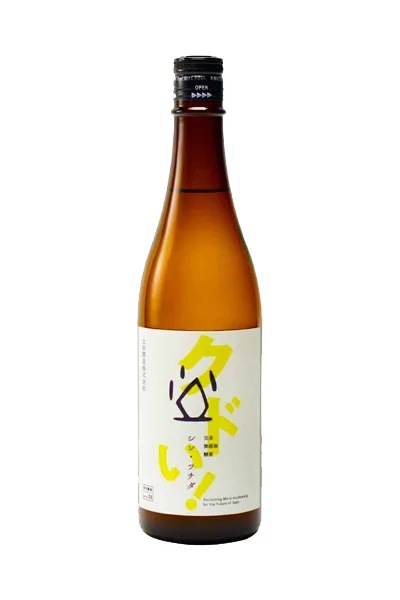
- Kudoi! Shin Tsuchida (Kenkyu Jozo data.32)クドい!シン・ツチダ(研究醸造 data.32)
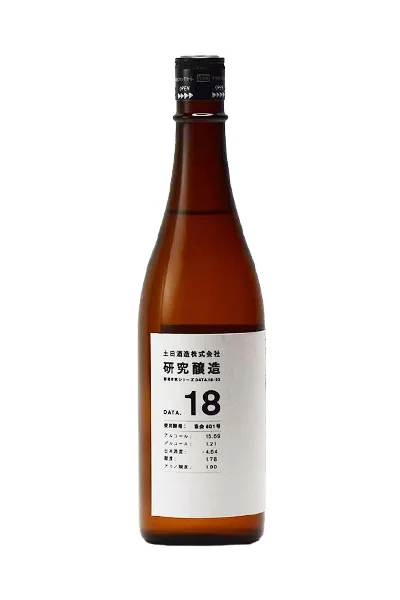
- Kenkyu Jozo 18研究醸造18
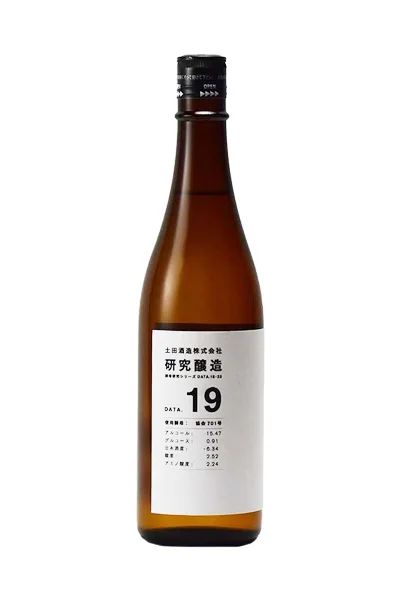
- Kenkyu Jozo 19研究醸造19
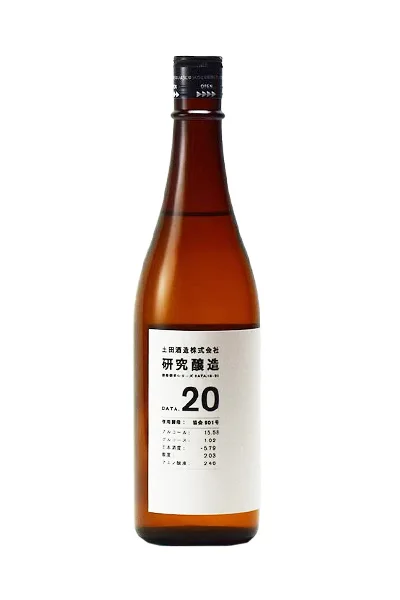
- Tsuchida Kenkyu Jozo 20研究醸造20
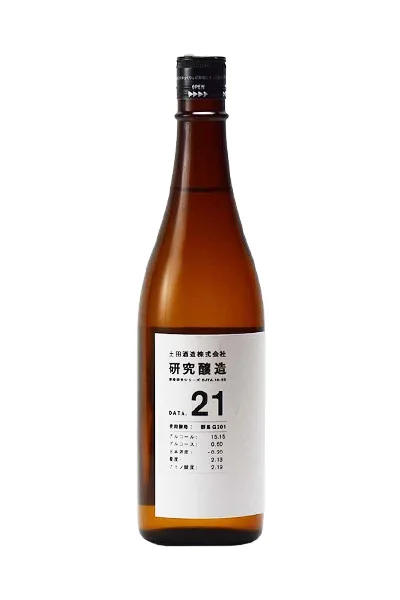
- Kenkyu Jozo 21研究醸造21
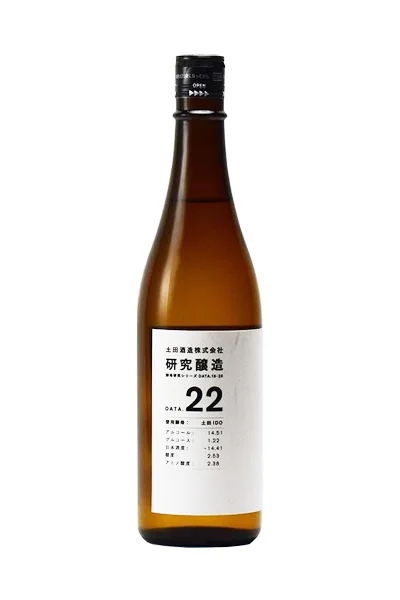
- Kenkyu Jozo 22研究醸造22
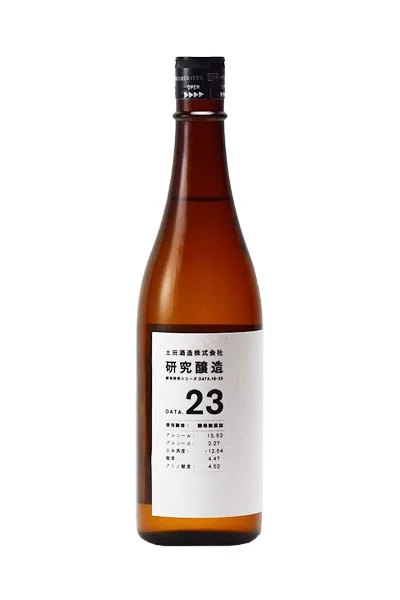
- Kenkyu Jozo 23研究醸造23
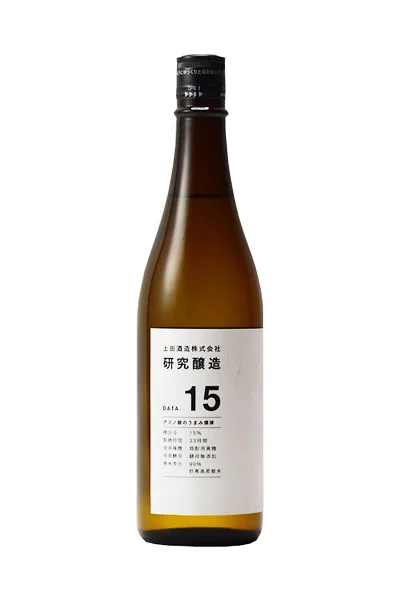
- Kenkyu Jozo Data15研究醸造 Data15