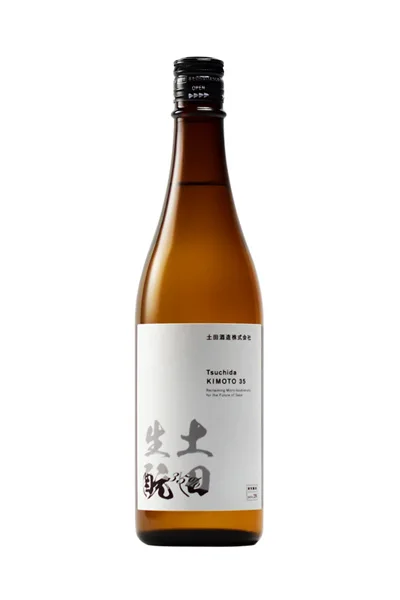
Tsuchida Kimoto 35 Kenkyu Jozo Data29
土田生もと35 研究醸造Data29Junmai daiginjo, Asahi no Yume rice polished to 35%, kimoto starter
Tsuchida — Tsuchida Shuzo, Gunma
Tsuchida's first high-polish sake in years, a Junmai Daiginjo built with competition in mind, showing a refined clarity unlike the brewery's usual style
Specifications
- Type
- Junmai Daiginjo
- Rice
- Asahi no Yume
- Rice polishing ratio
- 35%65% of each grain polished away
- Yeast
- Kyokai No. 701
- Alcohol
- 15%
- Sake meter value
- +0.7medium
- Acidity
- 1.6
How to read these
- Type
- The grade printed on the label. It depends on the ingredients (rice only, or with a little distilled alcohol) and on how far the rice is polished. More
- Rice
- The rice variety. Most premium sake uses varieties grown for brewing, such as Yamada Nishiki. More
- Rice polishing ratio
- How much of each grain is left after polishing. A lower number means more was milled away, which usually gives a lighter, more aromatic sake. More
- Yeast
- The yeast strain, which shapes the aroma. More
- Alcohol
- Alcohol by volume. Most sake is 15–16%; undiluted (genshu) sake is often 17–18%. More
- Sake meter value
- A sweet-to-dry scale. Plus is drier, minus is sweeter. Acidity changes how it tastes, so treat it as a rough guide. More
- Acidity
- Total acid. Higher tends to taste fuller and drier; lower tastes lighter and sweeter. More
Flavor profile Aromatic & light
Aromatic & light — fruity, floral aroma with a light body. Known in Japan as kun-shu (薫酒).
Polished to 35% as a junmai daiginjo, the described fruity aroma and clear, refined character point to high aroma and a light body. Kimoto adds some structure, while SMV +0.7 and acidity 1.6 suggest a balanced, mildly dry profile.
Estimated by AI from the published specifications and the brewery's description; your impression may differ.
About
Tsuchida Kimoto 35 Kenkyu Jozo Data29: the toji (master brewer) Hoshino explains the brewing and flavor of this sake on YouTube, so please take a look. 35 refers to the rice polishing ratio. Tsuchida Shuzo normally works with low-polish rice as a basic approach. This research brew (kenkyu jozo) is a challenge to brew with highly polished rice, at a rice polishing ratio of 35%. We received many requests asking what kind of sake Tsuchida Shuzo would produce today if it were made with highly polished rice. We had not been working with this approach for several years, and our young kurabito (brewers) had never handled it, so we wanted to try it. We decided to take it on as a research brew. This is the first time in a long while that the brewery has made a sake under the Junmai Daiginjo designation. There is none of the 'Tsuchida style' found in Shin Tsuchida or 99. It is clear and refined, a 'dressed-up Tsuchida' (laughs). For the best experience, we recommend chilling it in the refrigerator and then letting it warm slightly to about 10 degrees Celsius. It pairs very well with fruit such as grapes and pears, and its fruity aroma makes it especially enjoyable. It also goes nicely with white fish sashimi. Kimoto (traditional yeast-starter method) is a method used in this brew.
Other sake from this brand 37
- GI Shin Tsuchida Yuki HotakaGI シン・ツチダ 雪ほたか
- GI Shin Tsuchida KoshihikariGI シン・ツチダ コシヒカリ
- Oze no Mokudo 2024-1尾瀬の木道2024-1
- Kan Tsuchidaカン・ツチダ
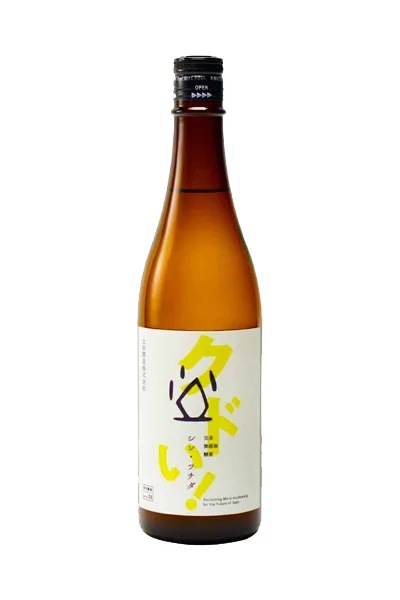
- Kudoi! Shin Tsuchida (Kenkyu Jozo data.32)クドい!シン・ツチダ(研究醸造 data.32)
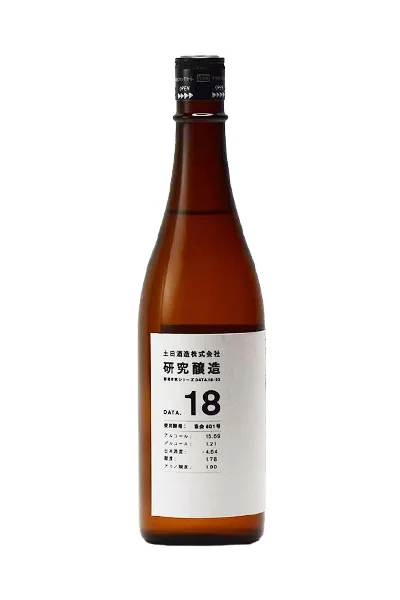
- Kenkyu Jozo 18研究醸造18
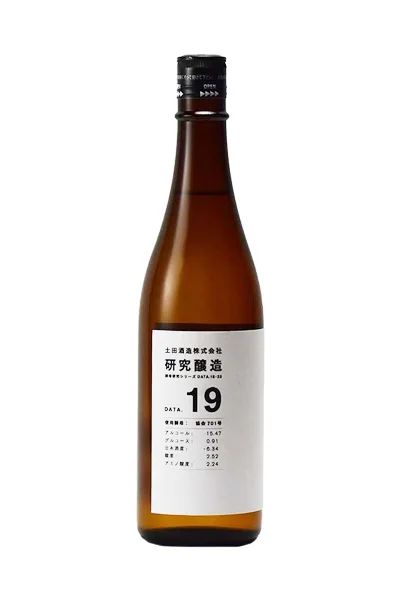
- Kenkyu Jozo 19研究醸造19
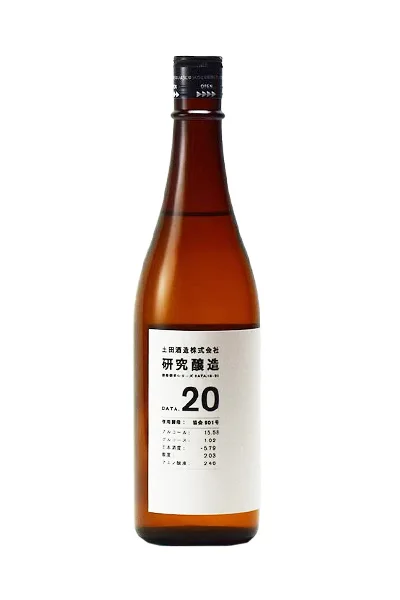
- Tsuchida Kenkyu Jozo 20研究醸造20
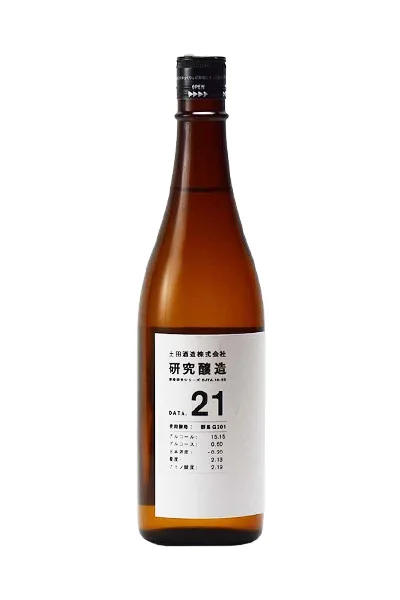
- Kenkyu Jozo 21研究醸造21
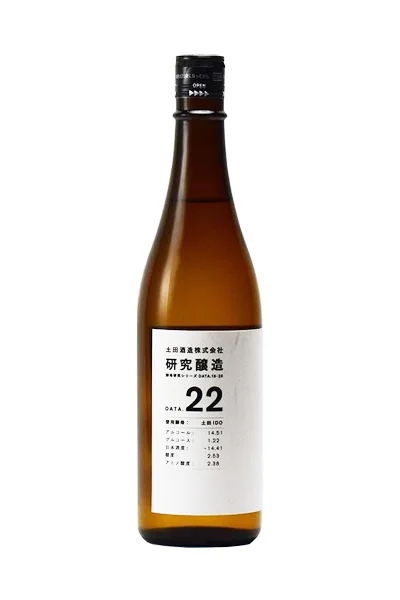
- Kenkyu Jozo 22研究醸造22
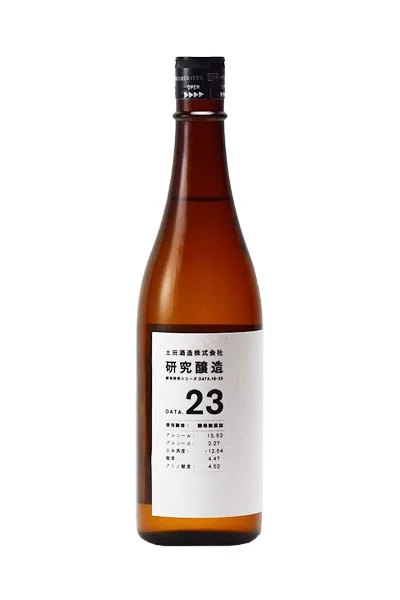
- Kenkyu Jozo 23研究醸造23
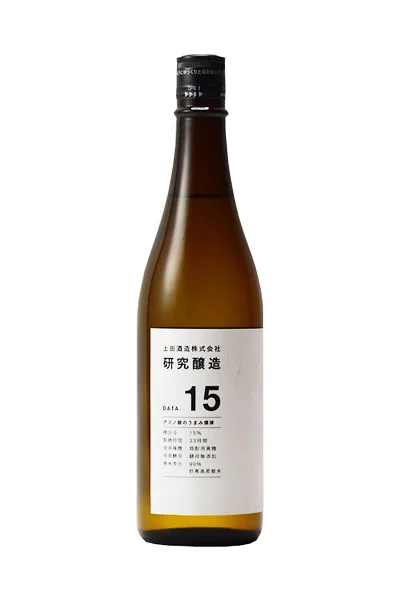
- Kenkyu Jozo Data15研究醸造 Data15