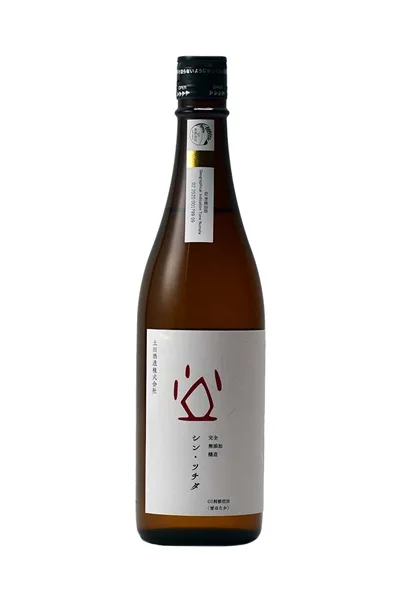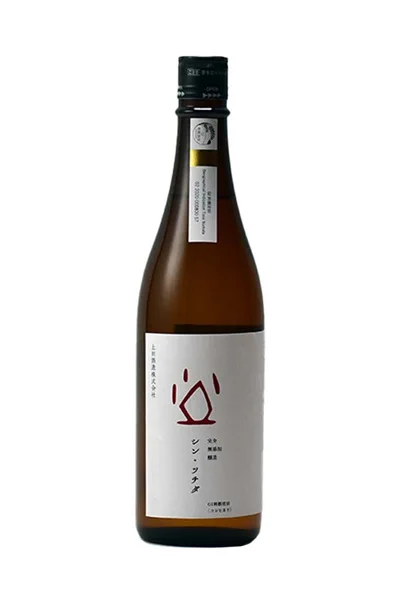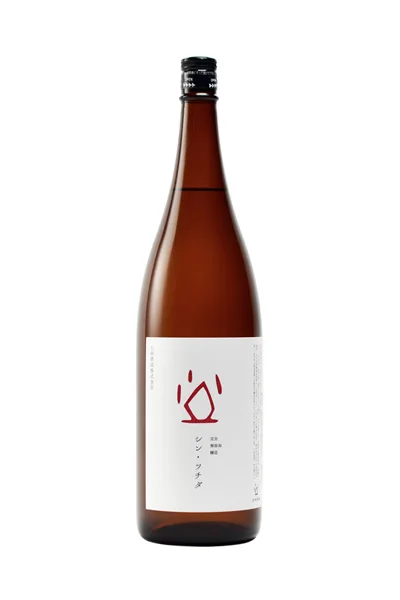
Shin Tsuchida
シン・ツチダJunmai, rice polished to 90%
Tsuchida — Tsuchida Shuzo, Gunma
A sake that embodies the new Tsuchida Shuzo: Shin Tsuchida
Specifications
- Type
- Junmai Shu
- Rice
- Not disclosed
- Rice polishing ratio
- 90%10% of each grain polished away
- Yeast
- Mutenka
- Alcohol
- 16%
- Sake meter value
- -15–-11very sweet
- Acidity
- 3.6
How to read these
- Type
- The grade printed on the label. It depends on the ingredients (rice only, or with a little distilled alcohol) and on how far the rice is polished. More
- Rice
- The rice variety. Most premium sake uses varieties grown for brewing, such as Yamada Nishiki. More
- Rice polishing ratio
- How much of each grain is left after polishing. A lower number means more was milled away, which usually gives a lighter, more aromatic sake. More
- Yeast
- The yeast strain, which shapes the aroma. More
- Alcohol
- Alcohol by volume. Most sake is 15–16%; undiluted (genshu) sake is often 17–18%. More
- Sake meter value
- A sweet-to-dry scale. Plus is drier, minus is sweeter. Acidity changes how it tastes, so treat it as a rough guide. More
- Acidity
- Total acid. Higher tends to taste fuller and drier; lower tastes lighter and sweeter. More
Flavor profile Rich & umami
Rich & umami — rice-driven umami and a fuller body. Known in Japan as jun-shu (醇酒).
The high acidity of 3.6 and the very negative SMV of -15 to -11 point to pronounced sweetness that the acidity balances. The text's emphasis on deep, complex umami from a yeast-free kimoto-style brew at 90% polishing, with no emphasis on fragrance, places it in the restrained, rich jun quadrant.
Estimated by AI from the published specifications and the brewery's description; your impression may differ.
About
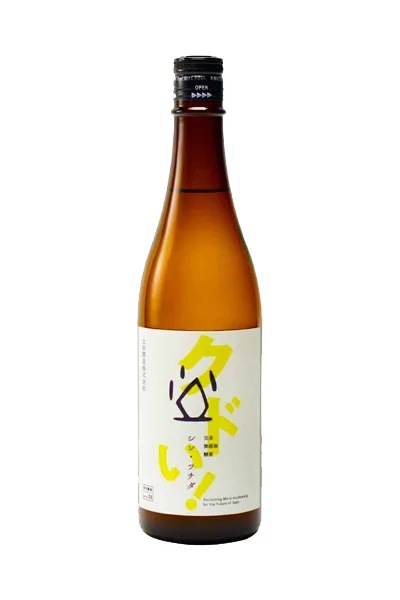
Trust the work of microbes, wait for fermentation, and encourage it. Shin Tsuchida is a sake made with the "fully Mutenka (no additives) namamoto (kimoto)" brewing method, which could be called the true essence of Tsuchida Shuzo. Fully Mutenka brewing means making sake from only three ingredients: rice, water, and koji. Brewing alcohol, sugars, and acidulants are of course not used. Neither are fermentation aids such as lactic acid and enzyme preparations, which are not required to be listed on the label. Yeast is not added either. The yeasts and lactic acid bacteria that have settled in the brewery are what create this sake. Shin Tsuchida, made by harnessing the action of natural microbes, is best stored at room temperature. It is highly resistant to environmental changes, and its flavor continues to develop before and after opening without deteriorating. It is a sake with room to grow, one that can be nurtured further after purchase. Fully Mutenka namamoto brewing is close to the sake-making methods of the Edo period. Countless microorganisms have produced its deep and complex flavors. It has a firm core yet remains refined, and it speaks not only to the palate but to the heart of the drinker. Born from modern brewing equipment and traditional brewing techniques, it could be called a sake that transcends time. The label design of Shin Tsuchida is based on the pictograph for earth (土), which is also the logo of Tsuchida Shuzo. In ancient times, hardened earth was offered and enshrined as a local deity, and this is the origin of the character. New (新), true (真), god (神), faith (信), heart (心), deep (深), advance (進), core (芯), extend (伸)... The "Shin" in Shin Tsuchida does not have a specific meaning. We hope that each person who drinks the Tsuchida Shuzo "Shin" will find their own meaning in it.
Other sake from this brand 37
- GI Shin Tsuchida Yuki HotakaGI シン・ツチダ 雪ほたか
- GI Shin Tsuchida KoshihikariGI シン・ツチダ コシヒカリ
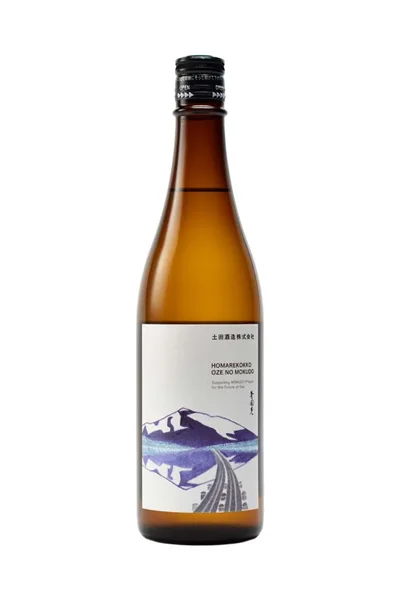
- Oze no Mokudo 2024-1尾瀬の木道2024-1
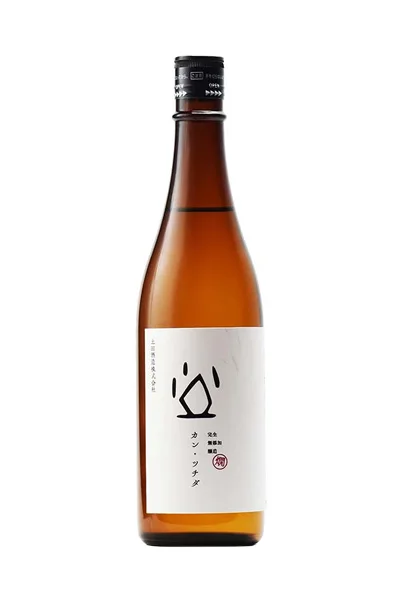
- Kan Tsuchidaカン・ツチダ
- Kudoi! Shin Tsuchida (Kenkyu Jozo data.32)クドい!シン・ツチダ(研究醸造 data.32)
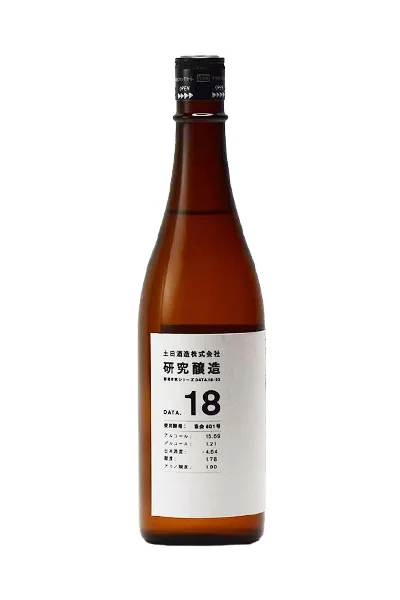
- Kenkyu Jozo 18研究醸造18
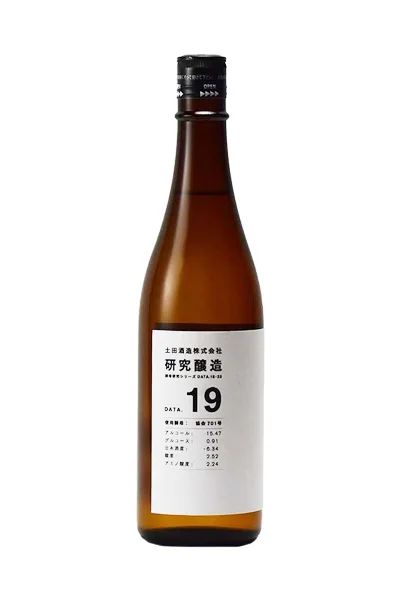
- Kenkyu Jozo 19研究醸造19
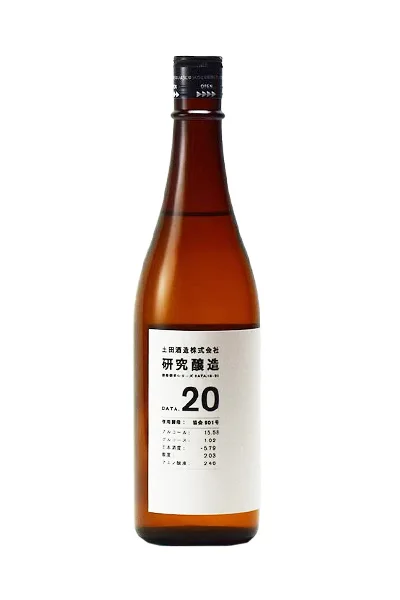
- Tsuchida Kenkyu Jozo 20研究醸造20
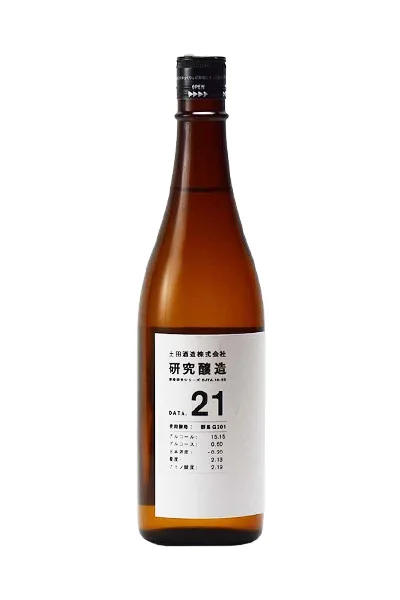
- Kenkyu Jozo 21研究醸造21
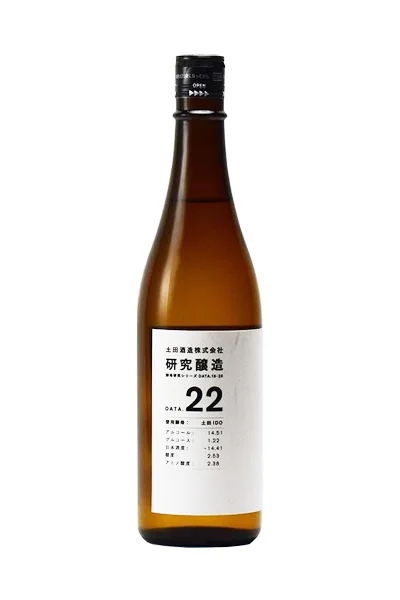
- Kenkyu Jozo 22研究醸造22
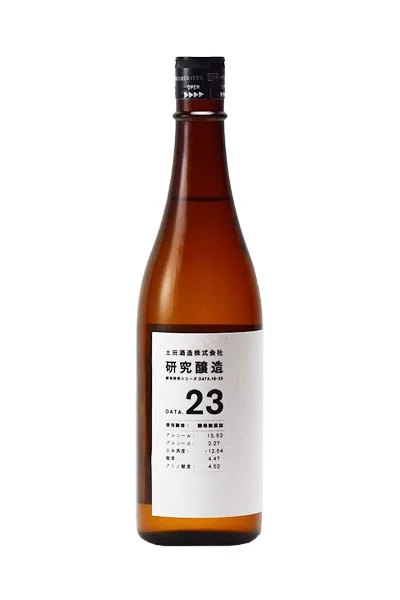
- Kenkyu Jozo 23研究醸造23
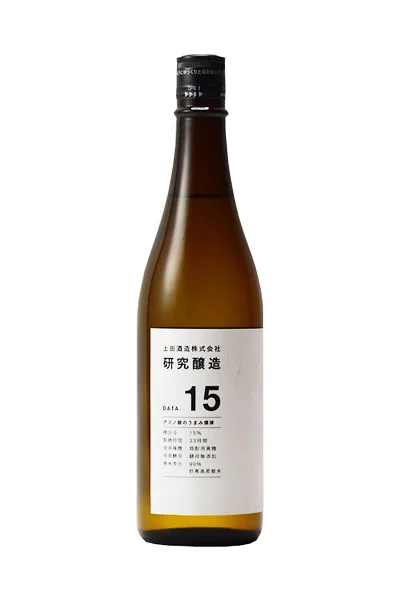
- Kenkyu Jozo Data15研究醸造 Data15