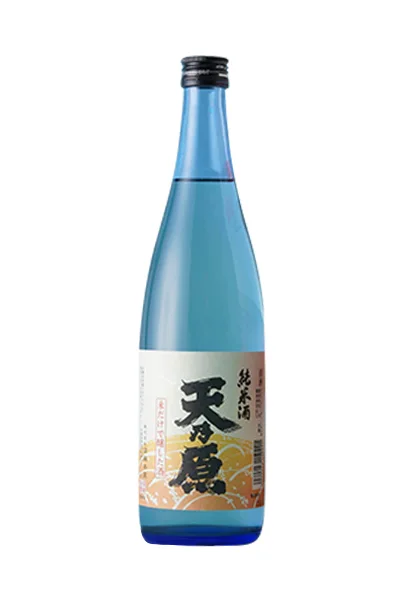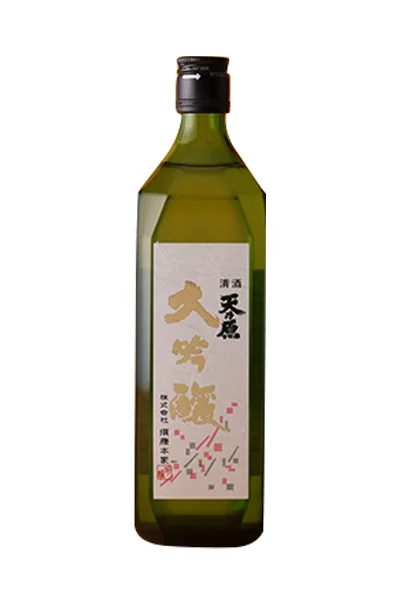
Amanohara Daiginjo
天乃原 大吟醸Daiginjo, rice polished to 40%
Amanohara — Sudo Honke, Chiba
A fruity ginjo aroma, best savored a little at a time
Specifications
- Type
- Daiginjo
- Rice
- Not disclosed
- Rice polishing ratio
- 40%60% of each grain polished away
- Yeast
- Not disclosed
- Alcohol
- 16–17%
- Sake meter value
- +6–+7very dry
- Acidity
- 1.3
How to read these
- Type
- The grade printed on the label. It depends on the ingredients (rice only, or with a little distilled alcohol) and on how far the rice is polished. More
- Rice
- The rice variety. Most premium sake uses varieties grown for brewing, such as Yamada Nishiki. More
- Rice polishing ratio
- How much of each grain is left after polishing. A lower number means more was milled away, which usually gives a lighter, more aromatic sake. More
- Yeast
- The yeast strain, which shapes the aroma. More
- Alcohol
- Alcohol by volume. Most sake is 15–16%; undiluted (genshu) sake is often 17–18%. More
- Sake meter value
- A sweet-to-dry scale. Plus is drier, minus is sweeter. Acidity changes how it tastes, so treat it as a rough guide. More
- Acidity
- Total acid. Higher tends to taste fuller and drier; lower tastes lighter and sweeter. More
Flavor profile Aromatic & light
Aromatic & light — fruity, floral aroma with a light body. Known in Japan as kun-shu (薫酒).
Daiginjo at 40% polishing with described fruity, sweet-scented ginjo aroma points to high aroma. SMV around +6 with low acidity of 1.3 gives a light, clean body with slight perceived sweetness.
Estimated by AI from the published specifications and the brewery's description; your impression may differ.
About
Dry ginjo sake from Amanohara, the flagship brand of Sudo Honke, a brewery founded in 1885 (Meiji 18) in Kimitsu, a city that flourished as the castle town of Kururi Castle. It is known for its sweet aroma. Developed through years of yeast research, its fruity aroma is highly regarded nationwide, and it has received gold awards at the Annual Japan Sake Awards. Using Hyogo-grown Yamada Nishiki, often called the king of sake rice, the rice is generously polished to a 40% polishing ratio. It was finished through winter brewing (kanzukuri), one of the traditional sake-making methods. We recommend serving it chilled, pouring small amounts into a glass and sipping slowly to enjoy its flavor.
Other sake from this brand 7
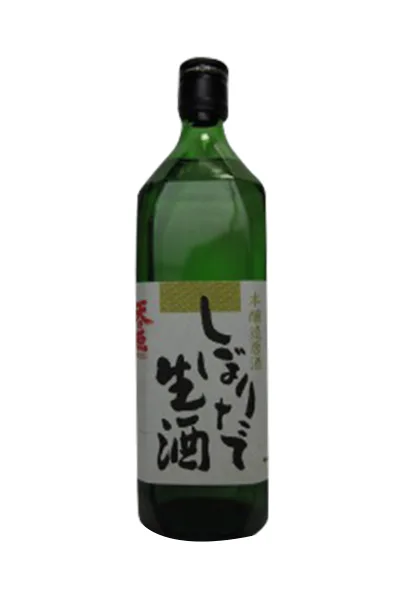
- Amanohara Shiboritate Namazake天乃原 しぼりたて 生酒
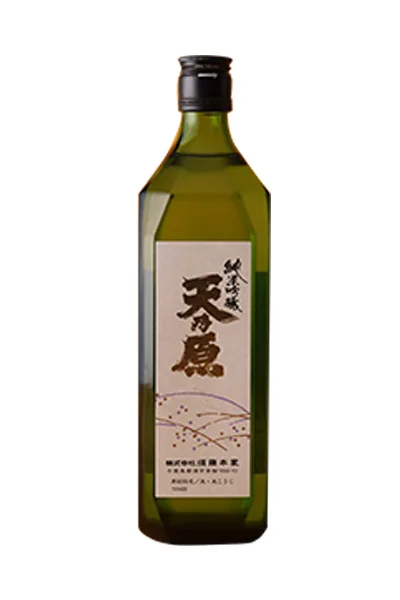
- Amanohara Junmai Ginjo天乃原 純米吟醸
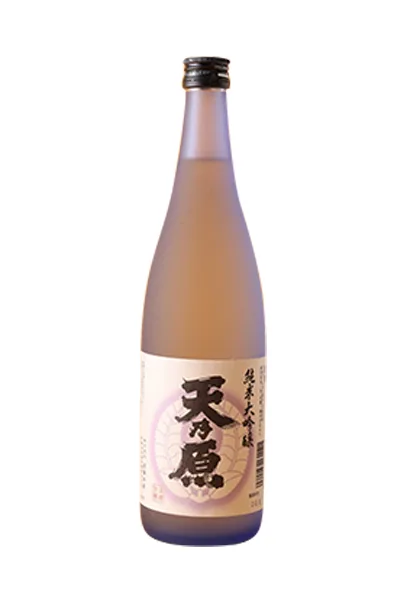
- Amanohara Junmai Daiginjo天乃原 純米大吟醸
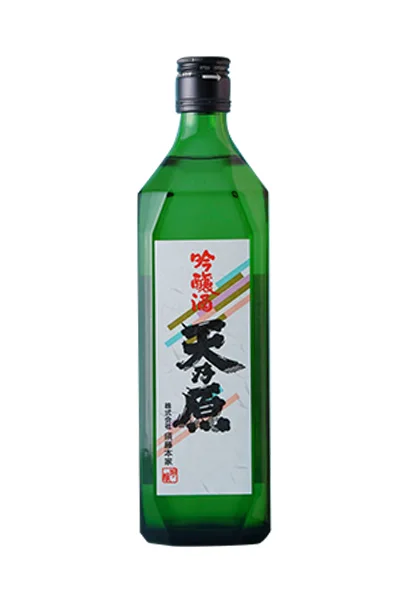
- Amanohara Ginjo天乃原 吟醸酒
- Amanohara Junmai Shu天乃原 純米酒
- Amanohara Junmai Ginjo Nama Genshu天乃原 純米吟醸 生原酒
- Amanohara Daiginjo Tobin-dori Namazake天乃原 大吟醸 斗瓶取り 生酒