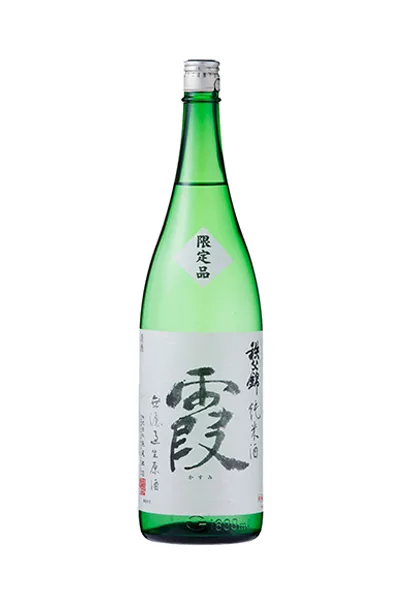
Chichibunishiki Kasumi
秩父錦 霞Junmai, Miyama Nishiki rice polished to 60%, unfiltered (muroka), unpasteurized (nama), undiluted (genshu), lightly cloudy (origarami)
Chichibunishiki — Yao Honten, Saitama
Freshly pressed junmai with a vivid ginjo aroma and a rich, full-bodied flavor
Specifications
- Type
- Junmai Shu
- Rice
- Miyama Nishiki
- Rice polishing ratio
- 60%40% of each grain polished away
- Yeast
- Not disclosed
- Alcohol
- 18–19%
- Sake meter value
- +2slightly dry
- Acidity
- 2
How to read these
- Type
- The grade printed on the label. It depends on the ingredients (rice only, or with a little distilled alcohol) and on how far the rice is polished. More
- Rice
- The rice variety. Most premium sake uses varieties grown for brewing, such as Yamada Nishiki. More
- Rice polishing ratio
- How much of each grain is left after polishing. A lower number means more was milled away, which usually gives a lighter, more aromatic sake. More
- Yeast
- The yeast strain, which shapes the aroma. More
- Alcohol
- Alcohol by volume. Most sake is 15–16%; undiluted (genshu) sake is often 17–18%. More
- Sake meter value
- A sweet-to-dry scale. Plus is drier, minus is sweeter. Acidity changes how it tastes, so treat it as a rough guide. More
- Acidity
- Total acid. Higher tends to taste fuller and drier; lower tastes lighter and sweeter. More
Flavor profile Full & complex
Full & complex — aromatic and full-bodied, including aged sake. Known in Japan as juku-shu (熟酒).
The description's vivid ginjo-like aroma and rich flavor, together with the 60% polishing, 18-19% alcohol genshu nama profile, point to a fairly aromatic and full-bodied style. The SMV of +2 and acidity of 2 suggest moderate sweetness.}
Estimated by AI from the published specifications and the brewery's description; your impression may differ.
About
This is a limited-edition shiboritate (freshly pressed) muroka nama genshu (unfiltered, unpasteurized, undiluted sake) from Yaohonten, the brewery behind Chichibu's strongest sake, Kameguchi-shu (甕口酒). This time it is a junmai version. This unpasteurized genshu was once available only at the brewery during the brewing season. Because it is unfiltered and not diluted with water, it has a light haze, which gives the sake its name, Kasumi (霞, meaning mist). Enjoy the vivid aroma of new sake and the rich, full rice flavor brewed with Miyama Nishiki, a sake rice variety.
Other sake from this brand 13
- Chichibunishiki Tokusen Daiginjo秩父錦 特撰 大吟醸
- Chichibunishiki Junmai Daiginjo秩父錦 純米大吟醸
- Chichibunishiki Daiginjo秩父錦 大吟醸
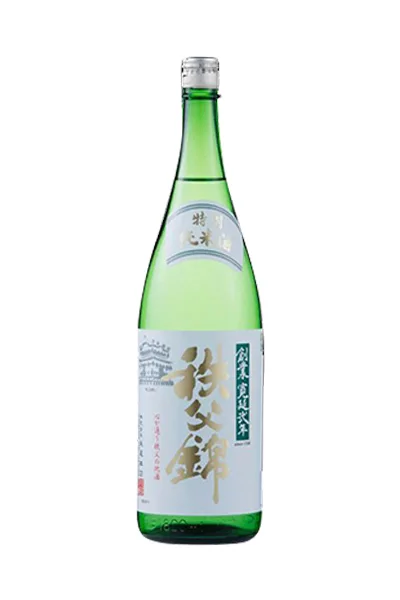
- Chichibunishiki Tokubetsu Junmai秩父錦 特別純米酒
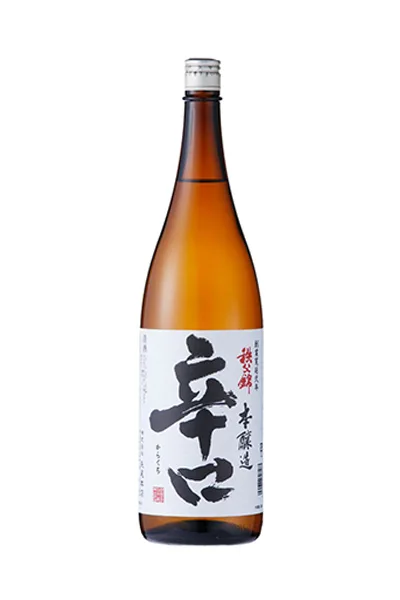
- Chichibunishiki Honjozo Dry秩父錦 本醸造 辛口
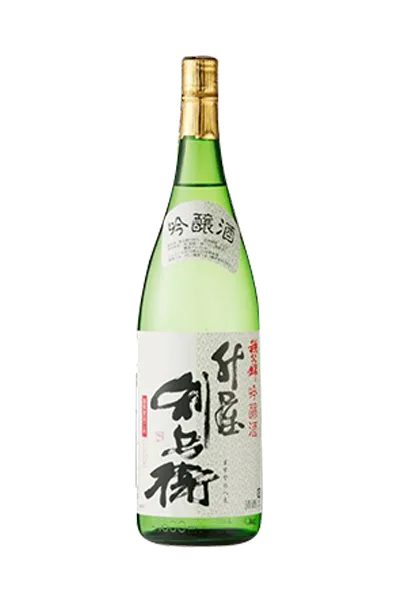
- Chichibunishiki Masuya Rihei秩父錦 升屋利兵衛
- Chichibunishiki Kiritto Kiwami Karakuchi秩父錦 きりっと極辛
- Chichibunishiki Arashibori Nigori秩父錦 荒しぼり 濁り酒
- Chichibunishiki Honjozo秩父錦 本醸造
- Chichibunishiki Daiginjo Kinsho Jushoshu秩父錦 大吟醸 金賞受賞酒
- Chichibunishiki Sawayaka Sweet秩父錦 さわやか甘口