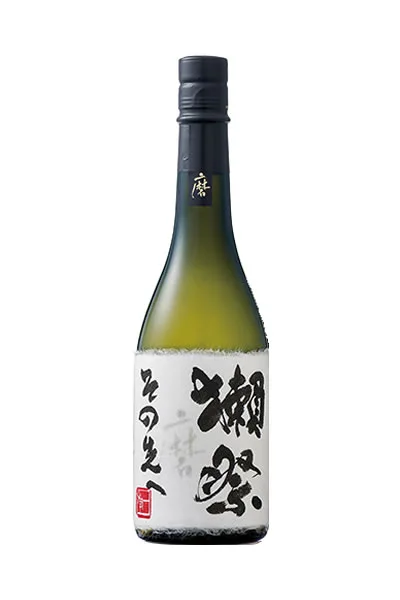
Dassai Migaki Sono Saki e
獺祭 磨き その先へJunmai daiginjo, Yamada Nishiki rice
Beyond polish and high rice polishing ratios, what lies ahead
Specifications
- Type
- Junmai Daiginjo
- Rice
- Yamada Nishiki
- Yeast
- Not disclosed
- Alcohol
- 16%
- Sake meter value
- +0medium
How to read these
- Type
- The grade printed on the label. It depends on the ingredients (rice only, or with a little distilled alcohol) and on how far the rice is polished. More
- Rice
- The rice variety. Most premium sake uses varieties grown for brewing, such as Yamada Nishiki. More
- Yeast
- The yeast strain, which shapes the aroma. More
- Alcohol
- Alcohol by volume. Most sake is 15–16%; undiluted (genshu) sake is often 17–18%. More
- Sake meter value
- A sweet-to-dry scale. Plus is drier, minus is sweeter. Acidity changes how it tastes, so treat it as a rough guide. More
Flavor profile Aromatic & light
Aromatic & light — fruity, floral aroma with a light body. Known in Japan as kun-shu (薫酒).
As a junmai daiginjo with 16% alcohol, SMV 0 and Yamada Nishiki rice, it points to a fragrant, elegant profile with a light-to-medium body and moderate sweetness. The polished, refined style suggests aroma leads while the body stays restrained.
Estimated by AI from the published specifications and the brewery's description; your impression may differ.
About
In recent years, several companies have followed Dassai Migaki Nijuwari Sanbu (23% rice polishing ratio) into the high-polish segment, and we achieved one ideal form through high polishing. But this sake aims to go further beyond that. The Finest Sake of Asahi Shuzo This sake was made to surpass Dassai Migaki Nijuwari Sanbu. In terms of quality direction, it is not a more refined version of Migaki Nijuwari Sanbu. Rather, it is built on that foundation but created as something distinct. Behind the Development In recent years, distributors have frequently asked us whether we could offer a sake in a higher price range. We were told, 'A sake over 50,000 yen per sho (1.8 liters) would sell, so why not release one?' We were also told, 'To sell a 3,000 yen lunch course at a restaurant, the quickest way is to set a 7,000 yen course. Likewise, to sell more Migaki Nijuwari Sanbu, the quickest way is to have products at an even higher price.' I believe this is probably true. However, whether a product can be made simply because it will sell is another matter. From the standpoint of a brewery, attaching a high price is easy, but a high price without corresponding quality and style is merely a marketing tool. We do not want to make Dassai into a marketing tool. Furthermore, Asahi Shuzo's motto is 'not to manipulate or stir up the market' and 'to leave the choice entirely to the customer.' For us, it is not possible to attach a high price by changing the packaging or product name without changing the essence. After more than ten years of conception and development, we have finally arrived at this announcement.
Other sake from this brand 19
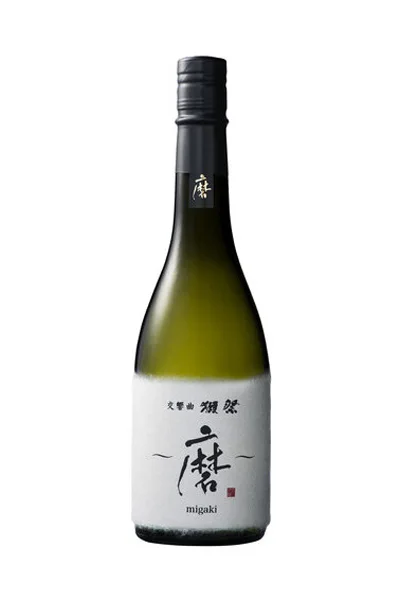
- Kōkyōkyoku Dassai Migaki交響曲 獺祭 ~磨~
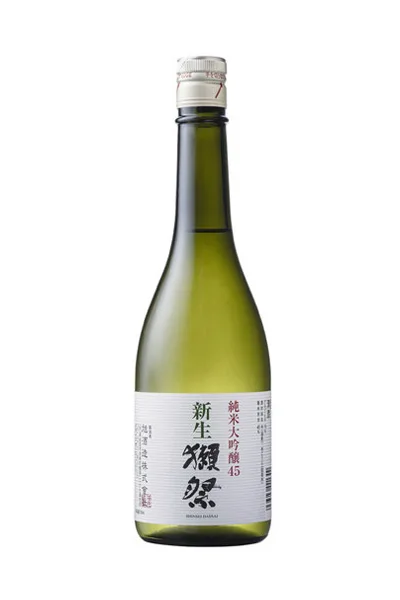
- Shinsei Dassai Junmai Daiginjo 45新生獺祭 純米大吟醸45
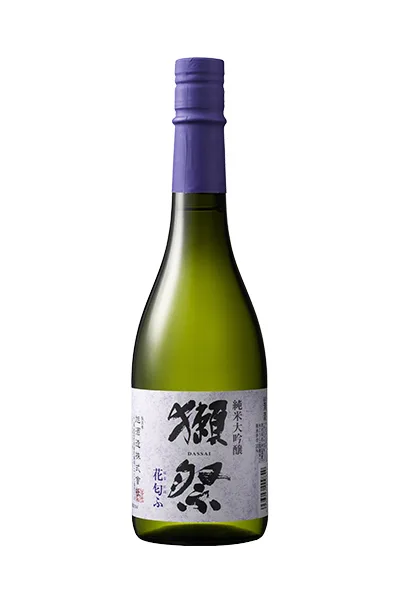
- Dassai Junmai Daiginjo Hana Niou純米大吟醸 獺祭 花匂ふ
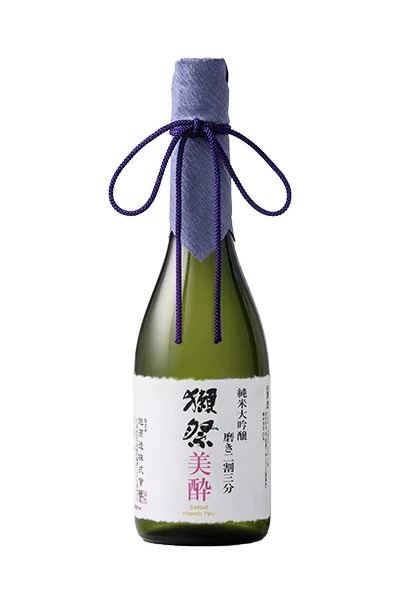
- Junmai Daiginjo Migaki Niwari Sanbu Dassai Bisui純米大吟醸 磨き二割三分 獺祭美酔
- Dassai Migaki Niwari Sanbu Enshin Bunri獺祭 磨き二割三分 遠心分離
- Dassai Junmai Daiginjo Sparkling Nigori Migaki Niwari Sanbu Seiya Gentei獺祭 純米大吟醸 発泡にごり酒 磨き二割三分 聖夜限定
- Dassai Junmai Daiginjo Migaki Sanwari Kyubu獺祭 純米大吟醸 磨き三割九分
- Shinsei Dassai Junmai Daiginjo Migaki Niwari Sanbu新生獺祭 純米大吟醸 磨き二割三分
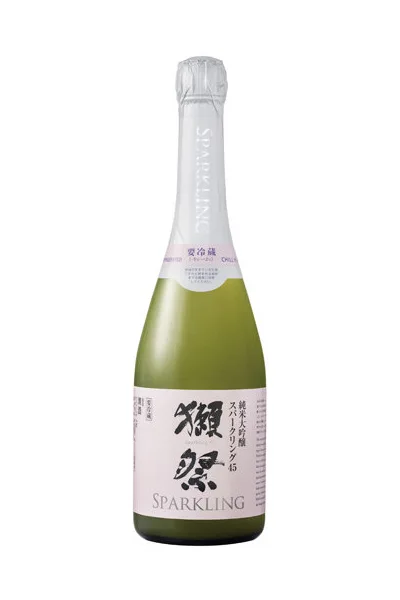
- Dassai Junmai Daiginjo Sparkling 45獺祭 純米大吟醸 スパークリング45
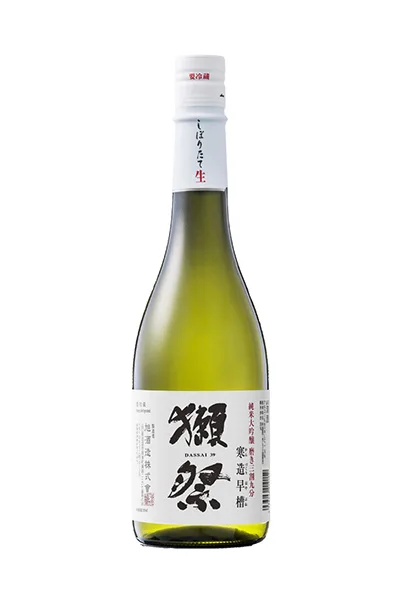
- Dassai Junmai Daiginjo Migaki Sanwari Kyubu Kanzukuri Soufune獺祭 純米大吟醸 磨き三割九分 寒造早槽
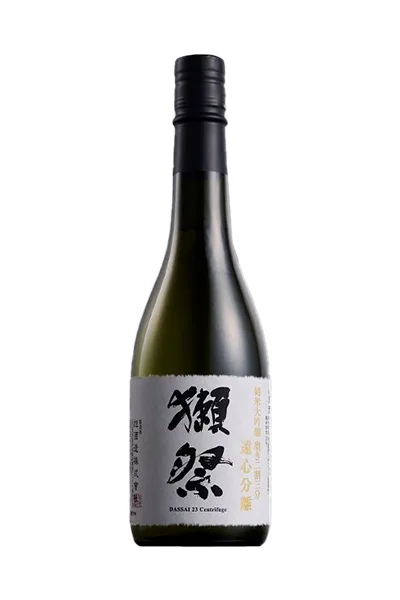
- Dassai Junmai Daiginjo Migaki Niwari Sanbu Enshin Bunri獺祭 純米大吟醸 磨き二割三分 遠心分離
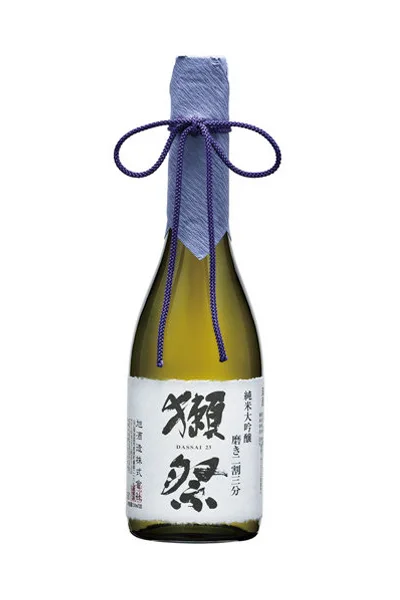
- Dassai Junmai Daiginjo Migaki Niwari Sanbu獺祭 純米大吟醸 磨き二割三分