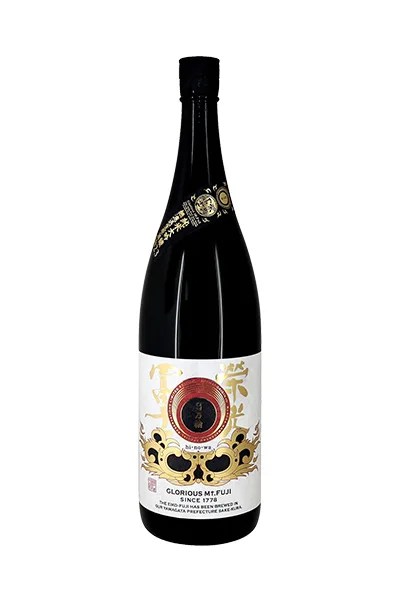
Junmai Daiginjo Muroka Nama Genshu Hinowa
純米大吟醸 無濾過生原酒 日乃輪Junmai daiginjo, Yamagata-grown rice polished to 50%, unfiltered, unpasteurized and undiluted (muroka nama genshu)
Eiko Fuji — Fuji Shuzo, Yamagata
Rich umami from Yamagata's prized Tsuyahime rice, a perfect match for autumn's imoni (taro stew)
Specifications
- Type
- Junmai Daiginjo
- Rice
- Yamagata-grown rice
- Rice polishing ratio
- 50%50% of each grain polished away
- Yeast
- Not disclosed
- Alcohol
- 16.8–17%
- Sake meter value
- -5–-3sweet
- Acidity
- 1.4
How to read these
- Type
- The grade printed on the label. It depends on the ingredients (rice only, or with a little distilled alcohol) and on how far the rice is polished. More
- Rice
- The rice variety. Most premium sake uses varieties grown for brewing, such as Yamada Nishiki. More
- Rice polishing ratio
- How much of each grain is left after polishing. A lower number means more was milled away, which usually gives a lighter, more aromatic sake. More
- Yeast
- The yeast strain, which shapes the aroma. More
- Alcohol
- Alcohol by volume. Most sake is 15–16%; undiluted (genshu) sake is often 17–18%. More
- Sake meter value
- A sweet-to-dry scale. Plus is drier, minus is sweeter. Acidity changes how it tastes, so treat it as a rough guide. More
- Acidity
- Total acid. Higher tends to taste fuller and drier; lower tastes lighter and sweeter. More
Flavor profile Full & complex
Full & complex — aromatic and full-bodied, including aged sake. Known in Japan as juku-shu (熟酒).
An SMV around -4, low acidity of 1.4, and a 17% genshu nama style point to a sweet, full-bodied sake. The description stresses umami, so aroma is moderate while body is rich, placing it in the juku quadrant.
Estimated by AI from the published specifications and the brewery's description; your impression may differ.
About
Yamagata Prefecture is said to have the largest number of varieties of sake rice and table rice in Japan. Among them, this bottle is brewed with Tsuyahime, a brand rice that has become especially popular in recent years. It is a bottle that offers a concentrated sense of umami, given as a thank-you for the bounty of autumn. Tsuyahime was bred by crossing Tohoku 164 as the paternal parent with Yamagata 70 as the maternal parent. From 27 seeds, selected lines were developed and given the regional designation Yamagata 97. Named Tsuyahime in 2009, it is now also grown in other prefectures, including Miyagi, Oita, Shimane, and Nagasaki, and has become a popular variety. A key feature of Tsuyahime is that seed transfer is restricted in order to secure high-quality harvests. Within Yamagata, cultivation is limited to farmers certified by the prefecture, and the variety is deployed in a strategic manner. It is truly Yamagata's own 'oshi' (favorite) brand rice. Compared with Koshihikari, its culms are shorter, so it has somewhat stronger lodging resistance. Its yield is slightly lower, while its 1,000-grain weight is about 22 g, similar to Koshihikari. Even in brown rice form it has a lustrous appearance, white immature grains are rare, and it is considered to have extremely good eating quality. The label is inspired by the blessings of the sun, and the rice offers a powerful umami. It pairs especially well with richly flavored dishes such as miso-based dishes, yakitori, Saikyo-yaki (miso-marinated grilled dishes), and simmered dishes, as well as imoni (taro stew), the lifelong soul food of Yamagata residents. It's So Good.
Other sake from this brand 34
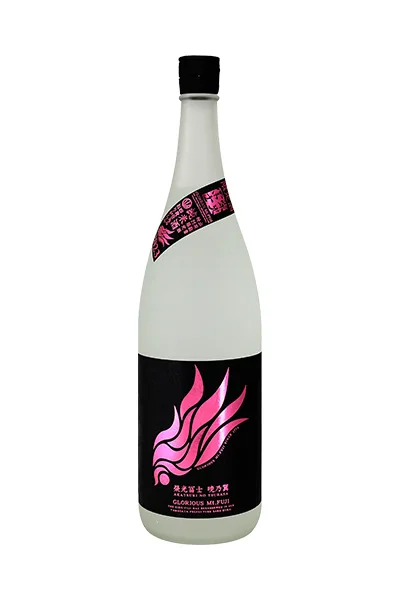
- Junmai Muroka Nama Genshu Akatsuki no Tsubasa純米酒 無濾過生原酒 暁乃翼
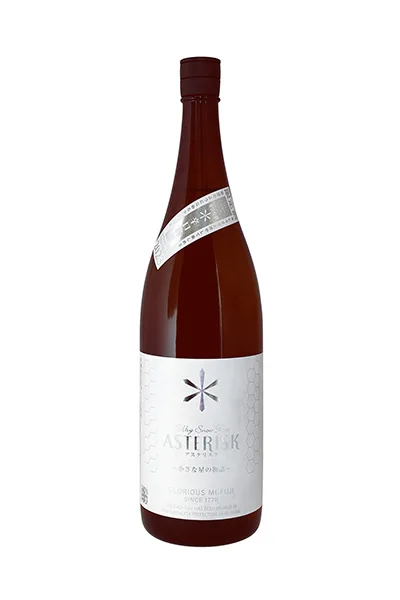
- Junmai Filtered Pasteurized Water-Added ASTERISK純米酒 濾過火入加水 ASTERISK
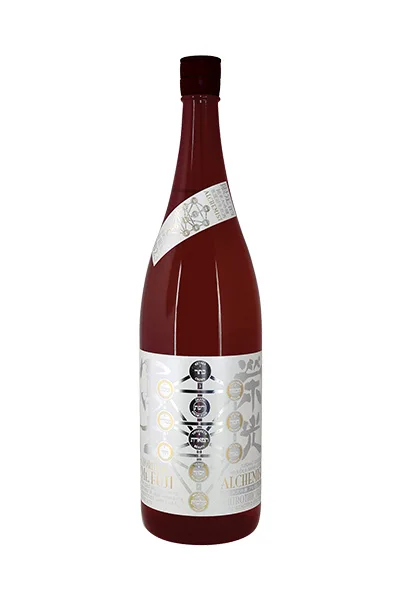
- Eiko Fuji Junmai Daiginjo Muroka Nama Genshu Alchemist純米大吟醸 無濾過生原酒 ALCHEMIST
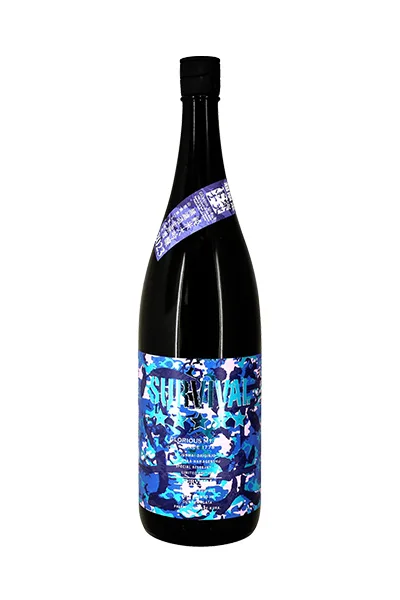
- Eiko Fuji SURVIVAL Tamanae栄光冨士 SURVIVAL 玉苗
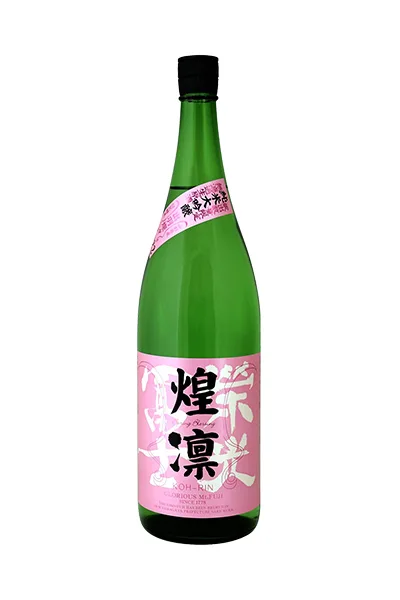
- Eiko Fuji Kourin栄光冨士 煌凛
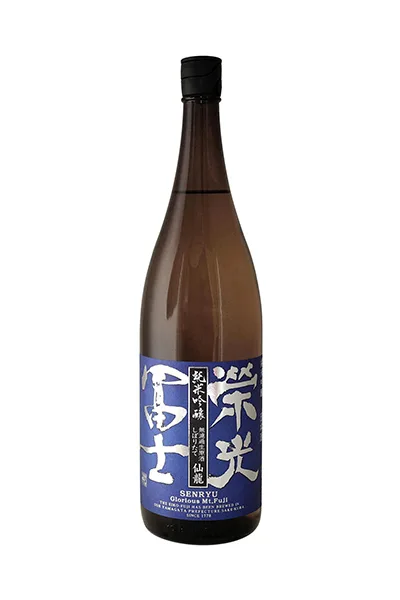
- Eiko Fuji Shiboritate Senryu栄光冨士 しぼりたて 仙龍
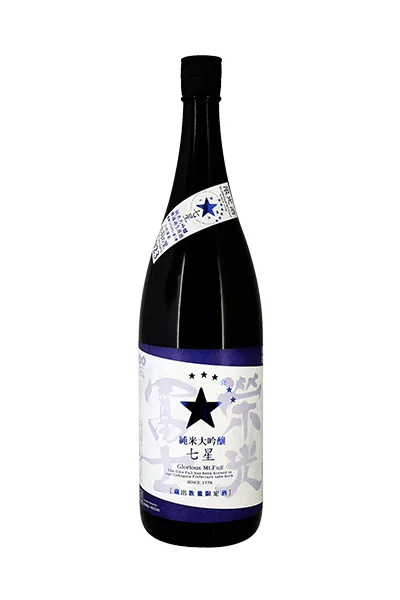
- Eiko Fuji Nanahoshi栄光冨士 七星
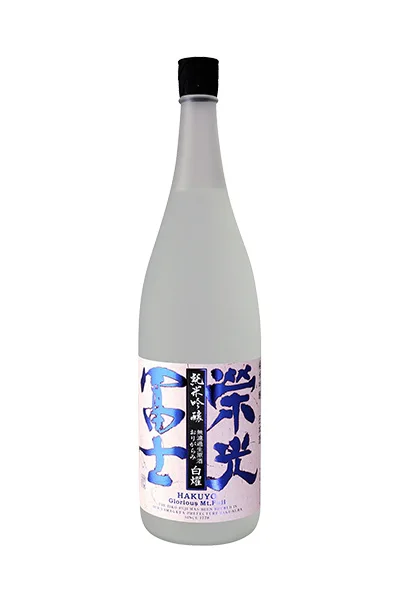
- Eiko Fuji Origarami Hakuyo栄光冨士 おりがらみ 白燿
- Eiko Fuji Junmai Daiginjo Muroka Nama Genshu SNAKE EYE栄光冨士 純米大吟醸 無濾過生原酒 SNAKE EYE
- Eiko Fuji Junmai Daiginjo Muroka Namazume Genshu Soma One純米大吟醸 無濾過生詰原酒 神酒 SOMA ONE
- Junmai Daiginjo Muroka Nama Genshu Kurogitsune BLACK FOX VERSION:0純米大吟醸 無濾過生原酒 黒狐 BLACK FOX VERSION:0
- Eiko Fuji Junmai Ginjo Muroka Nama Genshu GRAVITY純米吟醸 無濾過生原酒 GRAVITY