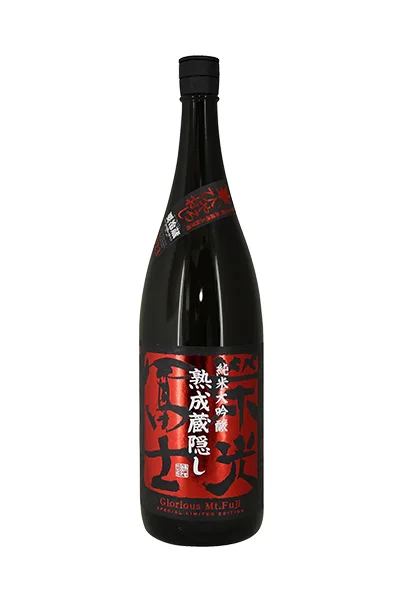
Junmai Daiginjo Muroka Namazume Genshu Jukusei Kuragakushi Hiyaoroshi
純米大吟醸 無濾過生詰原酒 熟成蔵隠し ひやおろしJunmai daiginjo, Gohyakumangoku rice polished to 50%, unfiltered (muroka), pasteurized (namazume), undiluted (genshu), aged, autumn release (hiyaoroshi)
Eiko Fuji — Fuji Shuzo, Yamagata
The only hiyaoroshi from Eikofuji, brewed with Gohyakumangoku sake rice and aged through one summer for mature depth and umami.
Specifications
- Type
- Junmai Daiginjo
- Rice
- Gohyakumangoku
- Rice polishing ratio
- 50%50% of each grain polished away
- Yeast
- Not disclosed
- Alcohol
- 16.7–16.8%
- Sake meter value
- +1–+2slightly dry
- Acidity
- 1.5
How to read these
- Type
- The grade printed on the label. It depends on the ingredients (rice only, or with a little distilled alcohol) and on how far the rice is polished. More
- Rice
- The rice variety. Most premium sake uses varieties grown for brewing, such as Yamada Nishiki. More
- Rice polishing ratio
- How much of each grain is left after polishing. A lower number means more was milled away, which usually gives a lighter, more aromatic sake. More
- Yeast
- The yeast strain, which shapes the aroma. More
- Alcohol
- Alcohol by volume. Most sake is 15–16%; undiluted (genshu) sake is often 17–18%. More
- Sake meter value
- A sweet-to-dry scale. Plus is drier, minus is sweeter. Acidity changes how it tastes, so treat it as a rough guide. More
- Acidity
- Total acid. Higher tends to taste fuller and drier; lower tastes lighter and sweeter. More
Flavor profile Full & complex
Full & complex — aromatic and full-bodied, including aged sake. Known in Japan as juku-shu (熟酒).
The junmai daiginjo specs at 50% polishing, the described aged character from one summer and the strong umami point to a mildly aromatic, full-bodied profile. An SMV of +1 to +2 with acidity of 1.5 suggests a medium sweetness impression.
Estimated by AI from the published specifications and the brewery's description; your impression may differ.
About
Brewed in winter and aged through one summer, this is the only hiyaoroshi (autumn-released aged sake) from Eikofuji. The name hiyaoroshi, meaning 'cold release,' dates back to the Edo period. Newly pressed sake collected in winter was pasteurized (heat-sterilized) to keep it from deteriorating as temperatures rose in early spring, then stored in vats. Once the sake had passed through the summer and the storage temperature had reached roughly the same level, it was not pasteurized a second time. It was kept at ambient ('cold') temperature and transferred ('oroshite,' drawn off) from vats into casks for shipment to customers. Among sake breweries, hiyaoroshi is treated as a seasonal favorite of autumn, offering a character distinct from new sake. Compared with the fresh, vivid ginjo aroma and lively umami of new sake, hiyaoroshi generally shows a distinctive maturity and a robust umami. Eikofuji's hiyaoroshi is stored in a low-temperature warehouse, which keeps maturation from advancing too quickly, so it is somewhat lighter than other hiyaoroshi. Enjoy it at autumn banquets with saury, mackerel, bonito, and mushroom dishes, as well as imoni (a taro and vegetable stew), the soul food of Yamagata Prefecture. There are broadly two styles of imoni in Yamagata. One is made with beef and soy sauce, centered on Yamagata City, which is closer to Miyagi Prefecture. The other is made with pork and miso on the Sea of Japan side. The question of which is the true imoni has been a source of endless debate.
Other sake from this brand 34
- Junmai Muroka Nama Genshu Akatsuki no Tsubasa純米酒 無濾過生原酒 暁乃翼
- Junmai Filtered Pasteurized Water-Added ASTERISK純米酒 濾過火入加水 ASTERISK
- Eiko Fuji Junmai Daiginjo Muroka Nama Genshu Alchemist純米大吟醸 無濾過生原酒 ALCHEMIST
- Eiko Fuji SURVIVAL Tamanae栄光冨士 SURVIVAL 玉苗
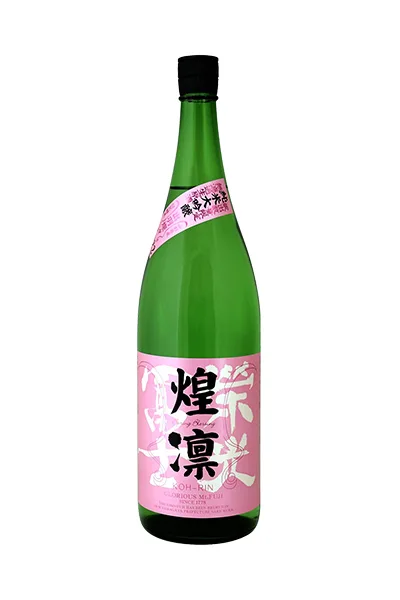
- Eiko Fuji Kourin栄光冨士 煌凛
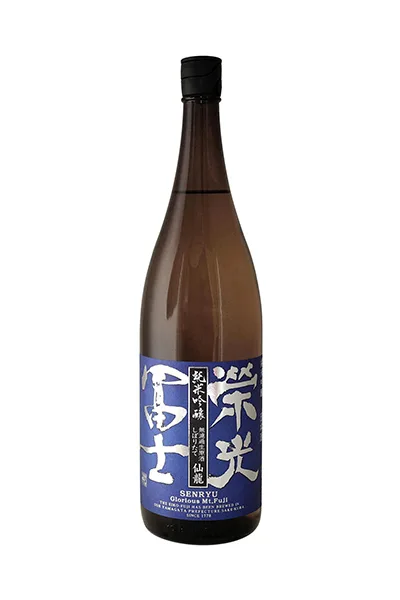
- Eiko Fuji Shiboritate Senryu栄光冨士 しぼりたて 仙龍
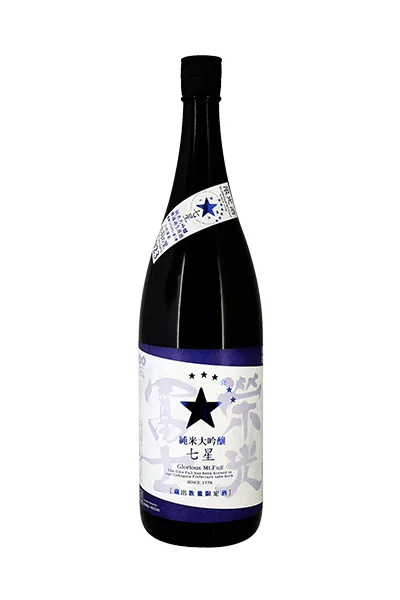
- Eiko Fuji Nanahoshi栄光冨士 七星
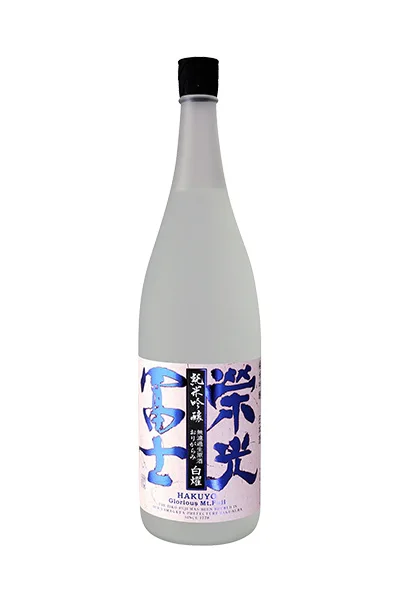
- Eiko Fuji Origarami Hakuyo栄光冨士 おりがらみ 白燿
- Eiko Fuji Junmai Daiginjo Muroka Nama Genshu SNAKE EYE栄光冨士 純米大吟醸 無濾過生原酒 SNAKE EYE
- Eiko Fuji Junmai Daiginjo Muroka Namazume Genshu Soma One純米大吟醸 無濾過生詰原酒 神酒 SOMA ONE
- Junmai Daiginjo Muroka Nama Genshu Kurogitsune BLACK FOX VERSION:0純米大吟醸 無濾過生原酒 黒狐 BLACK FOX VERSION:0
- Eiko Fuji Junmai Ginjo Muroka Nama Genshu GRAVITY純米吟醸 無濾過生原酒 GRAVITY