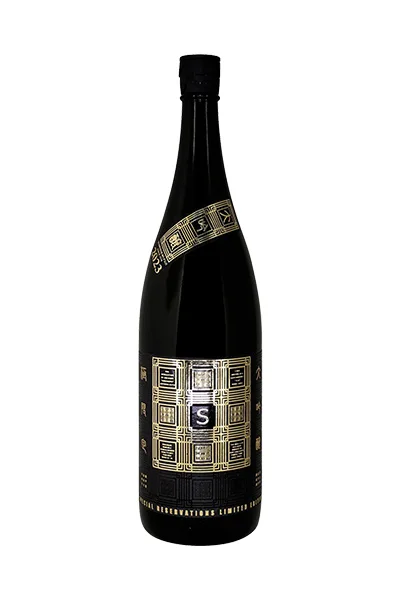
Daiginjo Muroka Nama Genshu Seiiki SANCTUARY
大吟醸 無濾過生原酒 聖域 SANCTUARYDaiginjo, Yamada Nishiki rice polished to 35%, unfiltered, unpasteurized and undiluted (muroka nama genshu)
Eiko Fuji — Fuji Shuzo, Yamagata
The king of sake rice, Yamada Nishiki, polished to 35% for competition: Eikofuji's current pinnacle sake
Specifications
- Type
- Daiginjo
- Rice
- Yamada Nishiki
- Rice polishing ratio
- 35%65% of each grain polished away
- Yeast
- Not disclosed
- Alcohol
- 15.7–16.8%
- Sake meter value
- -6very sweet
- Acidity
- 1.5
How to read these
- Type
- The grade printed on the label. It depends on the ingredients (rice only, or with a little distilled alcohol) and on how far the rice is polished. More
- Rice
- The rice variety. Most premium sake uses varieties grown for brewing, such as Yamada Nishiki. More
- Rice polishing ratio
- How much of each grain is left after polishing. A lower number means more was milled away, which usually gives a lighter, more aromatic sake. More
- Yeast
- The yeast strain, which shapes the aroma. More
- Alcohol
- Alcohol by volume. Most sake is 15–16%; undiluted (genshu) sake is often 17–18%. More
- Sake meter value
- A sweet-to-dry scale. Plus is drier, minus is sweeter. Acidity changes how it tastes, so treat it as a rough guide. More
- Acidity
- Total acid. Higher tends to taste fuller and drier; lower tastes lighter and sweeter. More
Flavor profile Aromatic & light
Aromatic & light — fruity, floral aroma with a light body. Known in Japan as kun-shu (薫酒).
A 35% Yamada Nishiki daiginjo with high aroma, and its SMV of -6 with acidity 1.5 gives a clearly sweet, fruity-textured impression. The 16% genshu adds weight, while the text's sharp outline and clean finish keep body light to medium, placing it in kun.
Estimated by AI from the published specifications and the brewery's description; your impression may differ.
About
The original meaning of "SANCTUARY" (sanctyuari) in the medieval period was a "sanctuary" beyond the reach of secular law, such as churches (kyokai) and other places of refuge. Everyone has a sanctuary they must absolutely protect, a precious sanctuary that no one may violate. In sake brewing, for example, the 35% polishing standard for Yamada Nishiki, which has won many gold medals among sake entered in the Annual Japan Sake Awards, may well be one of the important benchmarks, or sanctuaries, for brewery owners, toji (master brewers) and kurabito (brewery staff). Yamada Nishiki has long been called the king of sake rice. Breweries across Japan constantly ask how to draw out its appeal, competing fiercely and continuing to challenge themselves. This is a challenge sake. This Daiginjo, made to the standard for competition entries, is offered as Muroka Nama Genshu, unfiltered and undiluted, so customers can enjoy it in an unadorned state. The texture is beautifully smooth and pure, like silk, with layered, fresh sweetness from the sake rice. The addition of a small amount of brewing alcohol gives it a sharp outline, along with a pleasant acidity and a clean finish after the last sip. Following 2022, we were fortunate to receive a gold medal at the Annual Japan Sake Awards in 2023, and also to earn first place at the Nanbu Toji Self-Brewed Sake Appraisal, the brewery's first-ever first-place honor. This is an exceptional bottle that lets you enjoy the full effort of the toji in its Muroka Nama Genshu form.
Other sake from this brand 34
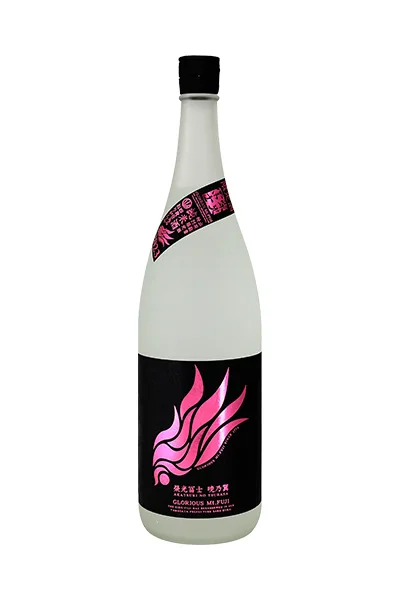
- Junmai Muroka Nama Genshu Akatsuki no Tsubasa純米酒 無濾過生原酒 暁乃翼
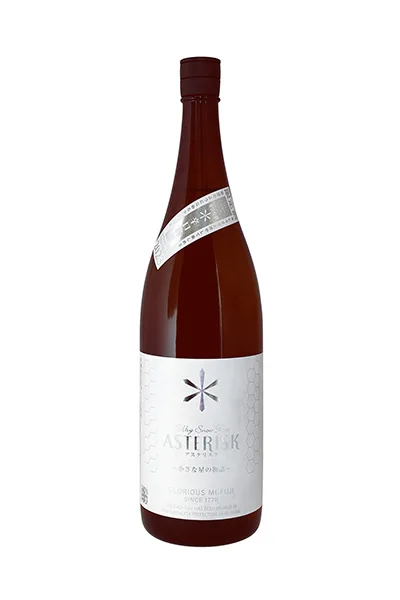
- Junmai Filtered Pasteurized Water-Added ASTERISK純米酒 濾過火入加水 ASTERISK
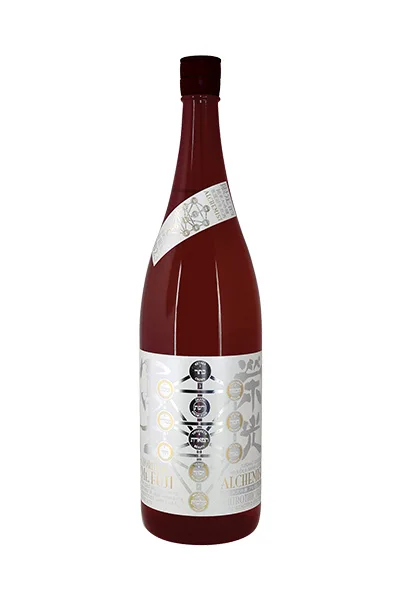
- Eiko Fuji Junmai Daiginjo Muroka Nama Genshu Alchemist純米大吟醸 無濾過生原酒 ALCHEMIST
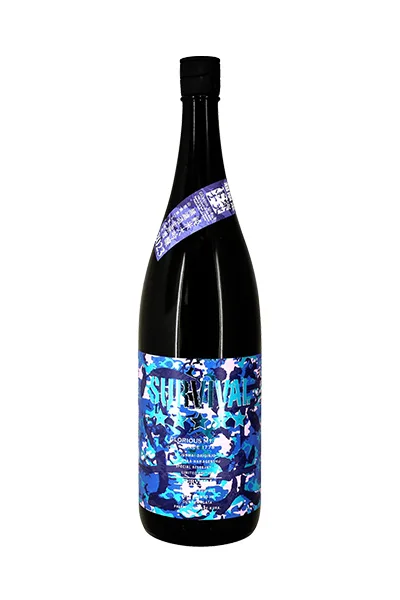
- Eiko Fuji SURVIVAL Tamanae栄光冨士 SURVIVAL 玉苗
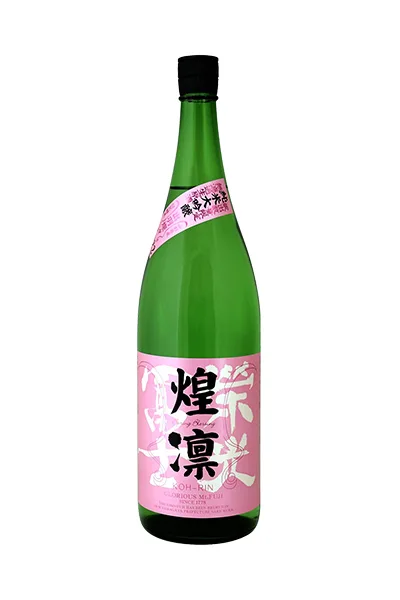
- Eiko Fuji Kourin栄光冨士 煌凛
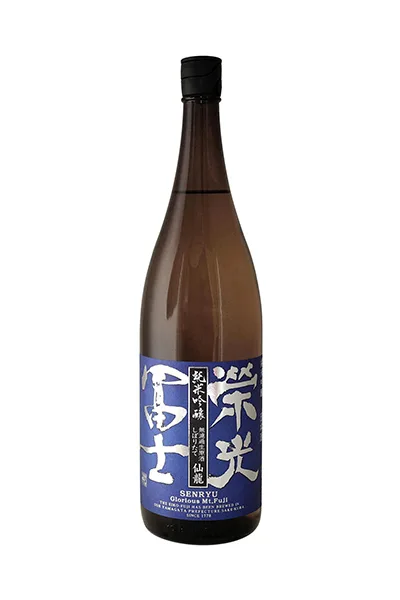
- Eiko Fuji Shiboritate Senryu栄光冨士 しぼりたて 仙龍
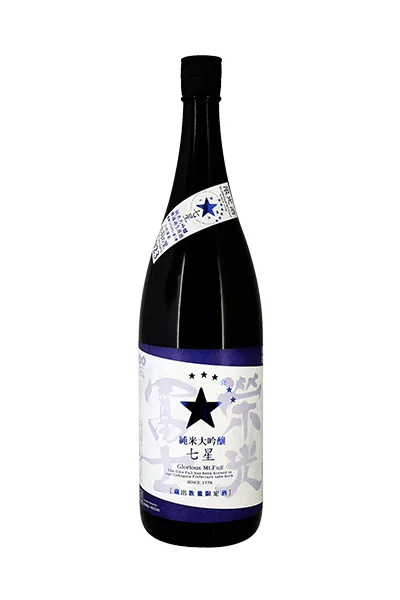
- Eiko Fuji Nanahoshi栄光冨士 七星
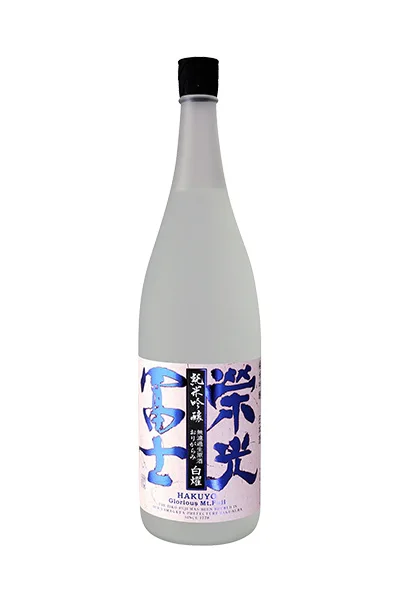
- Eiko Fuji Origarami Hakuyo栄光冨士 おりがらみ 白燿
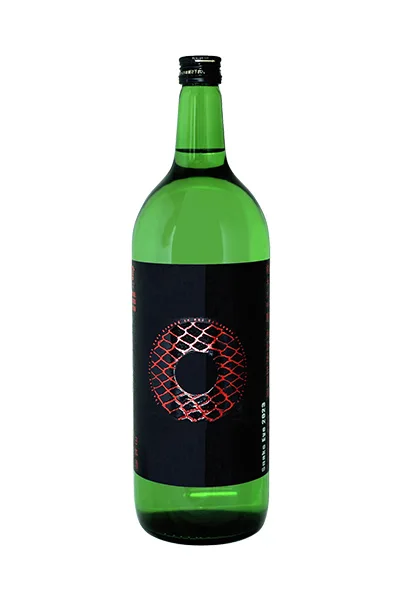
- Eiko Fuji Junmai Daiginjo Muroka Nama Genshu SNAKE EYE栄光冨士 純米大吟醸 無濾過生原酒 SNAKE EYE
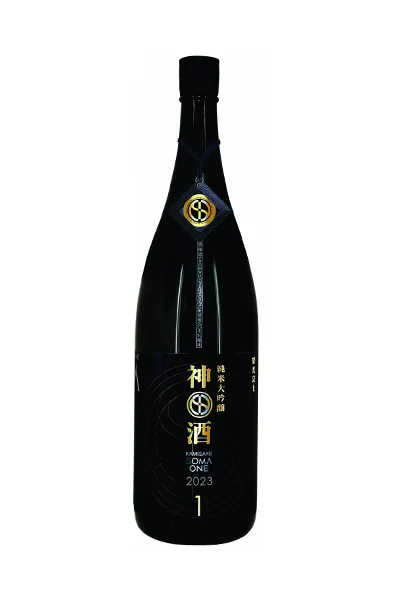
- Eiko Fuji Junmai Daiginjo Muroka Namazume Genshu Soma One純米大吟醸 無濾過生詰原酒 神酒 SOMA ONE
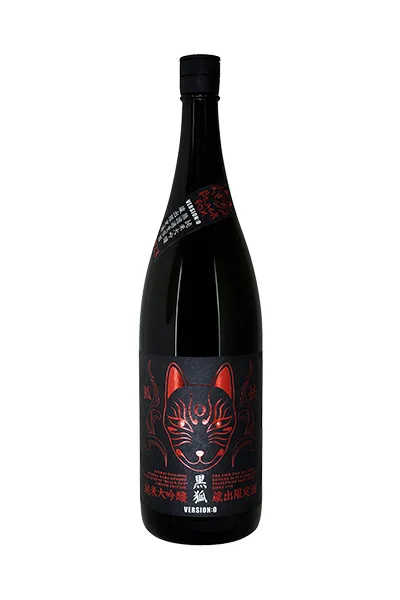
- Junmai Daiginjo Muroka Nama Genshu Kurogitsune BLACK FOX VERSION:0純米大吟醸 無濾過生原酒 黒狐 BLACK FOX VERSION:0
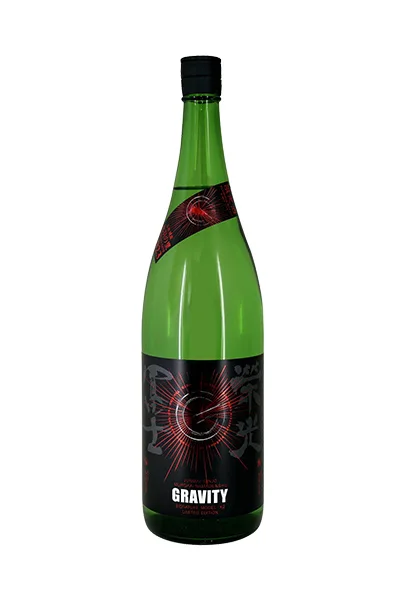
- Eiko Fuji Junmai Ginjo Muroka Nama Genshu GRAVITY純米吟醸 無濾過生原酒 GRAVITY