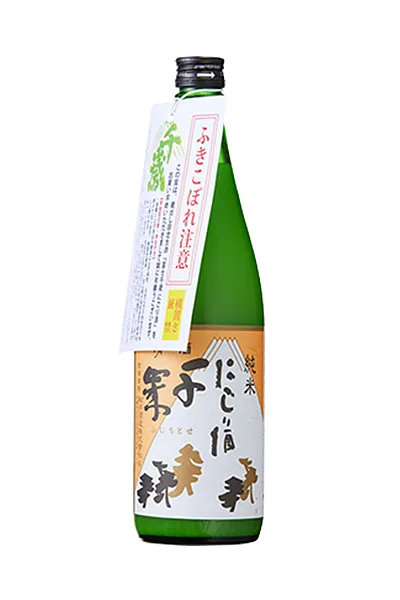
Fujichitose Junmai Nigori Kassei Namazake
富士千歳 純米にごり活性生酒Junmai, Gohyakumangoku rice polished to 70%, unpasteurized (nama), cloudy (nigori), naturally sparkling
Fujichitose — Matsui Shuzo, Kyoto
Winter namazake, still alive in the bottle
Specifications
- Type
- Junmai Shu
- Rice
- Gohyakumangoku
- Rice polishing ratio
- 70%30% of each grain polished away
- Yeast
- Not disclosed
- Alcohol
- 14%
How to read these
- Type
- The grade printed on the label. It depends on the ingredients (rice only, or with a little distilled alcohol) and on how far the rice is polished. More
- Rice
- The rice variety. Most premium sake uses varieties grown for brewing, such as Yamada Nishiki. More
- Rice polishing ratio
- How much of each grain is left after polishing. A lower number means more was milled away, which usually gives a lighter, more aromatic sake. More
- Yeast
- The yeast strain, which shapes the aroma. More
- Alcohol
- Alcohol by volume. Most sake is 15–16%; undiluted (genshu) sake is often 17–18%. More
Flavor profile Rich & umami
Rich & umami — rice-driven umami and a fuller body. Known in Japan as jun-shu (醇酒).
Nigori texture, nama bottle fermentation with a light sparkle, and a 70% junmai from Gohyakumangoku point to restrained rice aroma, a fuller mouthfeel and gentle sweetness. The 14% alcohol keeps the body moderate.
Estimated by AI from the published specifications and the brewery's description; your impression may differ.
About
In the Edo period, Matsui's sake crossed the sea aboard two ships, the Hachimanmaru and the Tenjinmaru. The brand Fujichitose, used since the brewery's founding, is said to have been named to pray for safe voyages to the sacred Mount Fuji and to wish customers a thousand years of happiness. This winter-only namazake requires careful handling. It continues to ferment in the bottle, so it has a gentle, fizzy, lightly sparkling character. Please savor the living yeast. ※Originated with the Setsubun Festival of Yoshida Shrine; omiki (sacred sake) offered at the Setsubun Festival. ※Limited quantities; sold in winter only.
Other sake from this brand 6
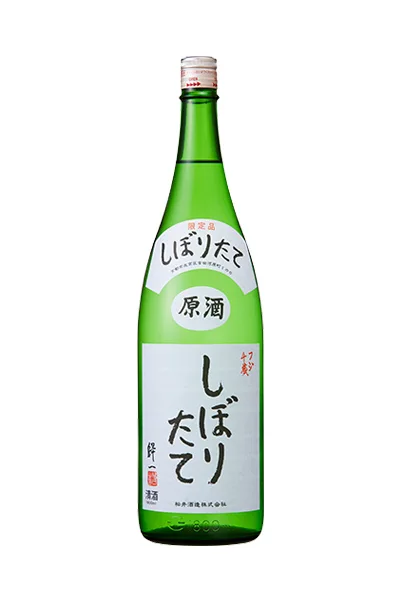
- Fujichitose Shiboritate Nama Genshu富士千歳 しぼりたて生原酒
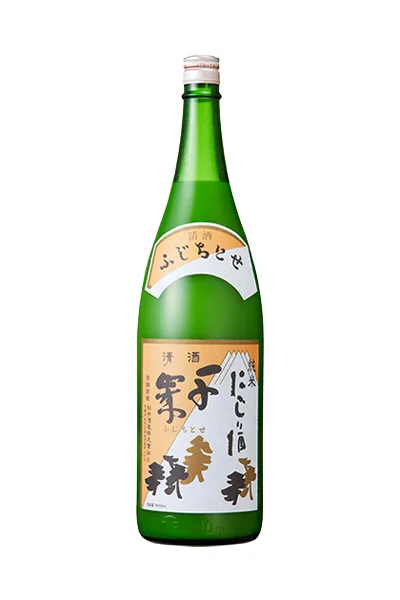
- Fujichitose Junmai Nigori Shu富士千歳 純米にごり酒
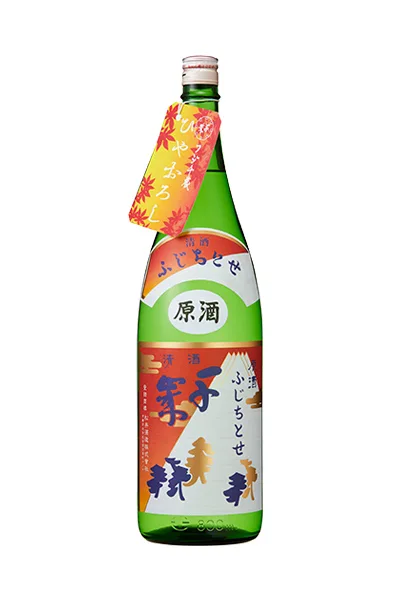
- Fujichitose Hiyaoroshi Genshuふじちとせ ひやおろし原酒
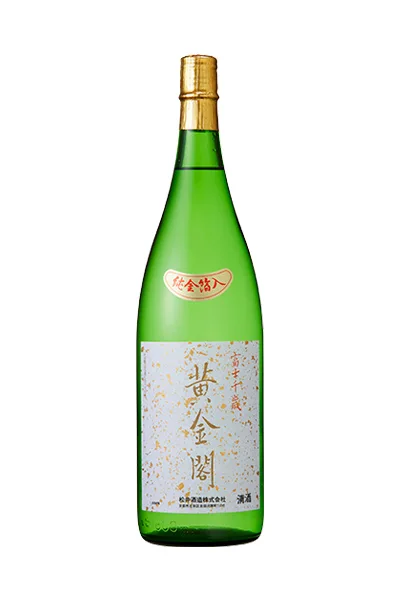
- Fujichitose Kitayama Kinkakuji Goyotashi Ogonkaku富士千歳 北山金閣寺御用達 黄金閣
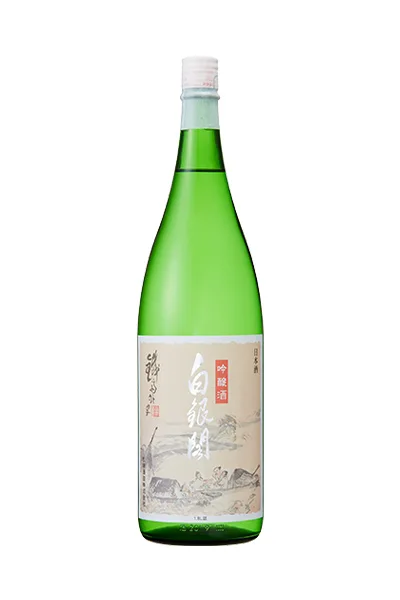
- Fujichitose Higashiyama Ginkakuji Goyotashi Hakuginkaku富士千歳 東山銀閣寺御用達 白銀閣
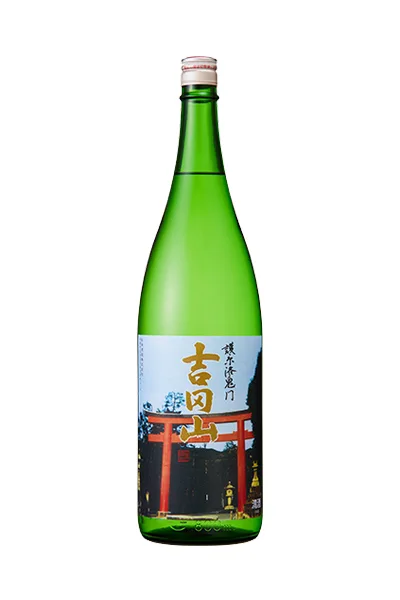
- Yoshidayama吉田山