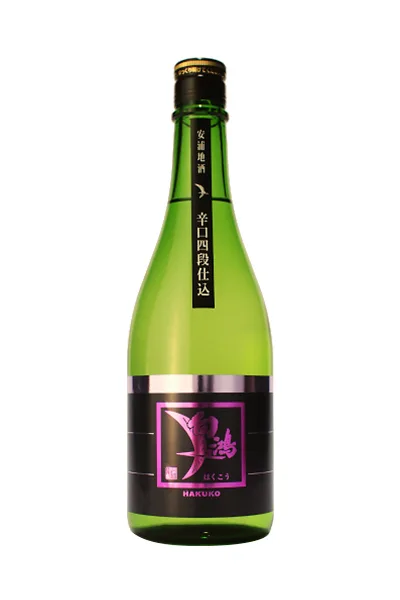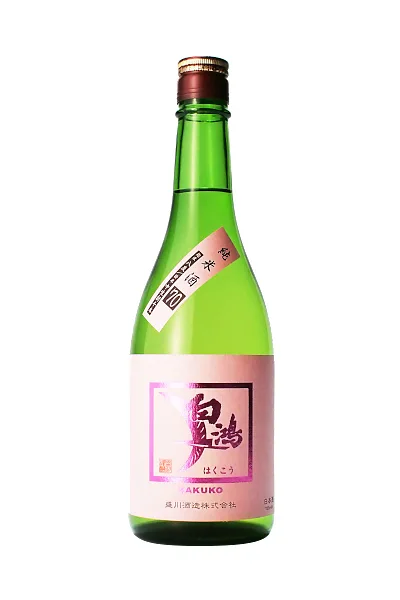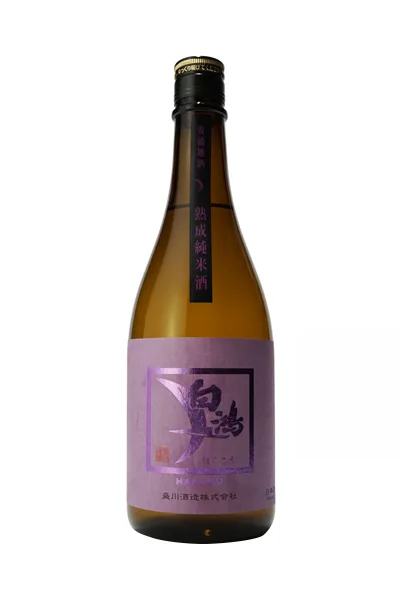
Hakuko Jukusei Junmai Sake Murasaki Label
白鴻 熟成純米酒《紫ラベル》Junmai, Hattan Nishiki rice polished to 65%, aged
Hakuko — Morikawa Shuzo, Hiroshima
A junmai sake that shines when warmed.
Specifications
- Type
- Junmai Shu
- Rice
- Hattan Nishiki
- Rice polishing ratio
- 65%35% of each grain polished away
- Yeast
- Not disclosed
- Alcohol
- 15%
How to read these
- Type
- The grade printed on the label. It depends on the ingredients (rice only, or with a little distilled alcohol) and on how far the rice is polished. More
- Rice
- The rice variety. Most premium sake uses varieties grown for brewing, such as Yamada Nishiki. More
- Rice polishing ratio
- How much of each grain is left after polishing. A lower number means more was milled away, which usually gives a lighter, more aromatic sake. More
- Yeast
- The yeast strain, which shapes the aroma. More
- Alcohol
- Alcohol by volume. Most sake is 15–16%; undiluted (genshu) sake is often 17–18%. More
Flavor profile Rich & umami
Rich & umami — rice-driven umami and a fuller body. Known in Japan as jun-shu (醇酒).
As a junmai made from 65% polished Hattan-nishiki with a year-plus aging in cedar-free tanks, it leans toward rice-driven richness and umami. Aroma is restrained, and the body should feel full and mellow with moderate sweetness, especially when warmed.
Estimated by AI from the published specifications and the brewery's description; your impression may differ.
About
Aged for more than a year at ambient temperature in the brewery's vats, this sake has a pleasant sense of mature depth. It is a standout bottle for savoring the umami of the rice when warmed (kan). [Sake rice: Hattan Nishiki] Hattan Nishiki was developed in Hiroshima Prefecture and is currently the most widely grown sake rice in the prefecture. It carries on the lineage of Hattan, a rice that has been cultivated in Hiroshima since long ago. It has large grains and a large shinpaku (white core), and it tends to produce a fragrant, Tanrei style of flavor. [Best Gold at the KAN SAKE AWARD 2019] This sake received Best Gold at the KAN SAKE AWARD 2019 (organized by the KAN SAKE AWARD Executive Committee, supported by the Japan Sake and Shochu Makers Association). [Pairings] It pairs well with warm, comforting dishes such as salmon meunière, daikon radish in oden, and shirayaki (unseasoned grilled conger eel). [Recommended serving] Serving it lukewarm (nurukan) or at room temperature is recommended. Warming it brings out more of its flavor.
Other sake from this brand 24
- Hakuko Daiginjo Sarasoju白鴻 大吟醸 沙羅双樹
- Hakuko Junmai Daiginjo 50 Sarasoju白鴻 純米大吟醸50 沙羅双樹
- Hakuko Tokubetsu Junmai白鴻 特別純米酒
- Hakuko Junmai Ginjo Sarasoju白鴻 純米吟醸 沙羅双樹
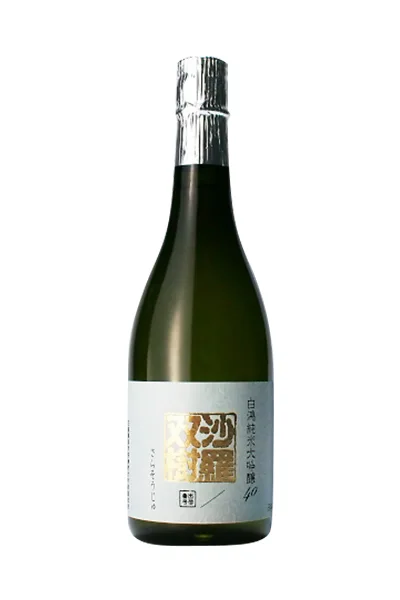
- Hakuko Junmai Daiginjo 40 Sarasoju白鴻 純米大吟醸40 沙羅双樹
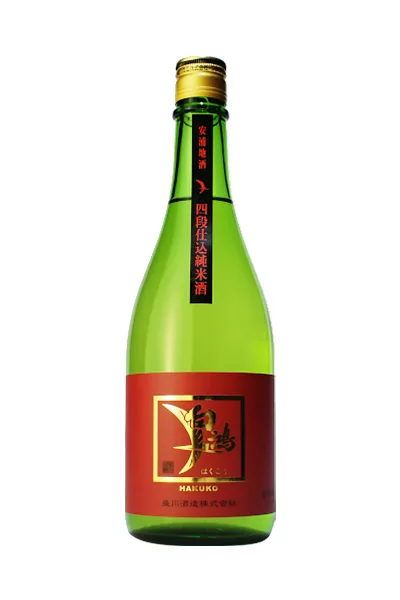
- Hakuko Four-stage brewing (yodan jikomi) Junmai Red Label白鴻 四段仕込み純米《赤ラベル》
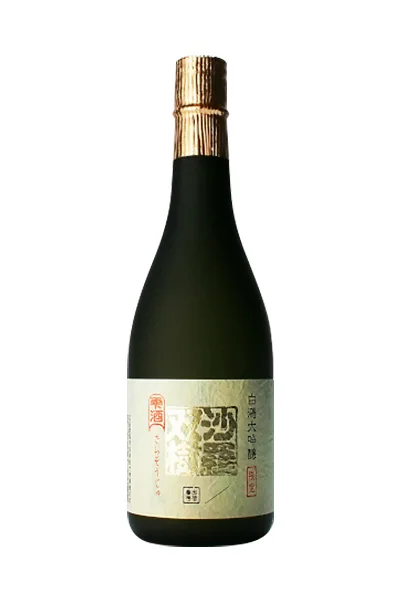
- Hakuko Daiginjo Sarasoju Shizuku-zake白鴻 大吟醸 沙羅双樹 雫酒
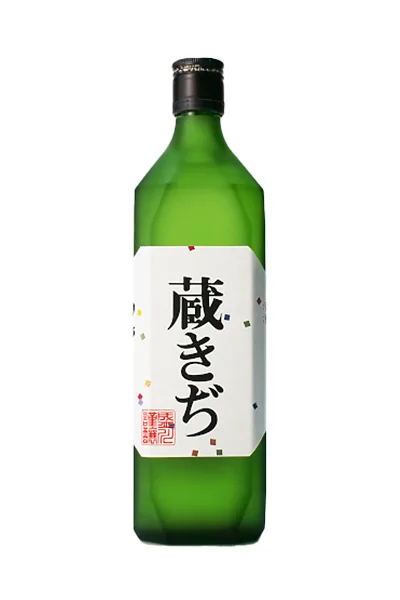
- Hakuko Kura Kiji白鴻 蔵きぢ
- Hakuko Dry Junmai sake Kuro Label白鴻 辛口純米酒《黒ラベル》
- Hakuko Junmai Ginjo Genshu Koi Label [Hiroshima Limited]白鴻 純米吟醸原酒 鯉ラベル【広島限定】
- Hakuko Junmai sake (Momo Label)白鴻 純米酒《桃ラベル》