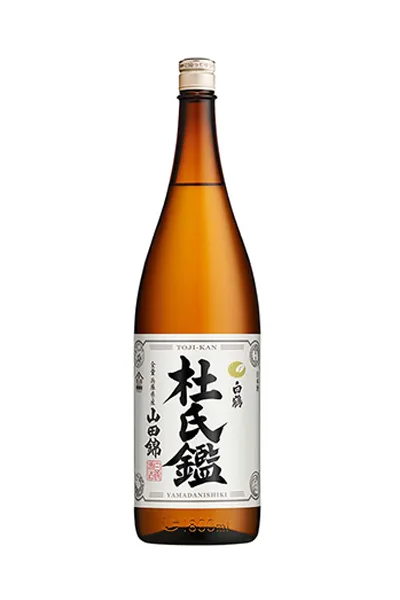
Hakutsuru Tojikan
白鶴 杜氏鑑Futsushu (table sake), rice polished to 70%
Hakutsuru — Hakutsuru Shuzo, Hyogo
Crafted from carefully selected ingredients and the master brewer's skill, a jewel in every cup
Specifications
- Type
- Futsushu
- Rice
- Not disclosed
- Rice polishing ratio
- 70%30% of each grain polished away
- Yeast
- Not disclosed
- Alcohol
- 15–15.9%
- Sake meter value
- +2slightly dry
- Acidity
- 1.4
How to read these
- Type
- The grade printed on the label. It depends on the ingredients (rice only, or with a little distilled alcohol) and on how far the rice is polished. More
- Rice
- The rice variety. Most premium sake uses varieties grown for brewing, such as Yamada Nishiki. More
- Rice polishing ratio
- How much of each grain is left after polishing. A lower number means more was milled away, which usually gives a lighter, more aromatic sake. More
- Yeast
- The yeast strain, which shapes the aroma. More
- Alcohol
- Alcohol by volume. Most sake is 15–16%; undiluted (genshu) sake is often 17–18%. More
- Sake meter value
- A sweet-to-dry scale. Plus is drier, minus is sweeter. Acidity changes how it tastes, so treat it as a rough guide. More
- Acidity
- Total acid. Higher tends to taste fuller and drier; lower tastes lighter and sweeter. More
Flavor profile Rich & umami
Rich & umami — rice-driven umami and a fuller body. Known in Japan as jun-shu (醇酒).
The 70% polishing ratio, low acidity of 1.4, and SMV of +2 point to a restrained aroma with a gentle rice-driven body. The profile is near-balanced and slightly dry with moderate richness.
Estimated by AI from the published specifications and the brewery's description; your impression may differ.
About
Made with Yamada Nishiki rice grown in Hyogo Prefecture and underground water from the Rokko mountain range, this sake is brewed using the Tamba-ryu brewing method and represents the orthodox style of Nada. The label features four flowers: suisen (narcissus), tsubaki (camellia), sakura (cherry blossom), and fuji (wisteria). The flowers depicted bloom from winter through summer. The autumn flower is omitted, which carries on a design motif from the time of release: the sake will never run into aki, a pun on 秋 (autumn) and 飽き (growing tired of something).
Other sake from this brand 13
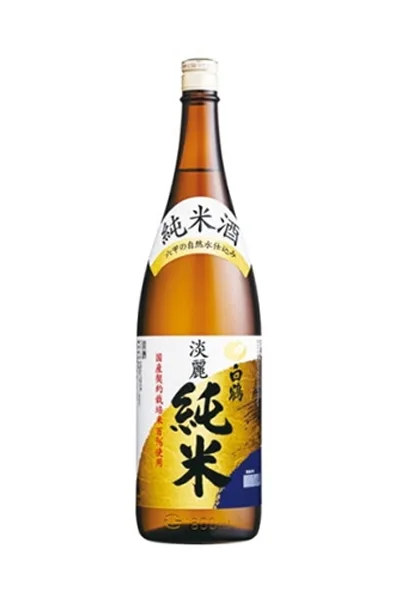
- Hakutsuru Tanrei Junmai白鶴 淡麗純米
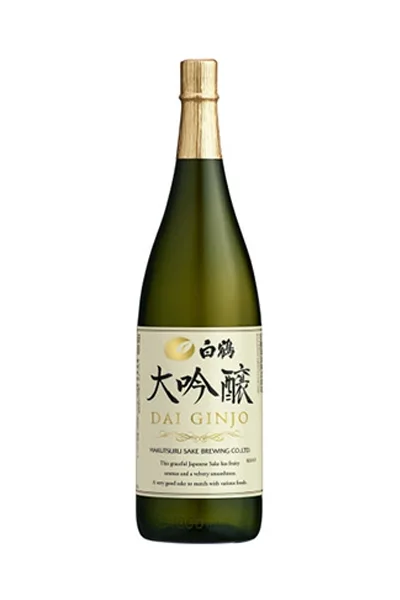
- Hakutsuru Daiginjo白鶴 大吟醸
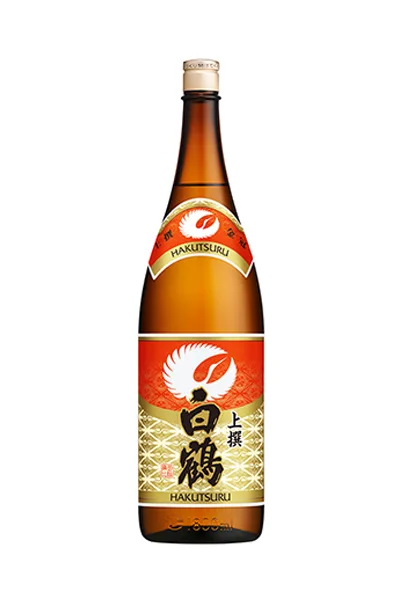
- Hakutsuru Josen白鶴 上選
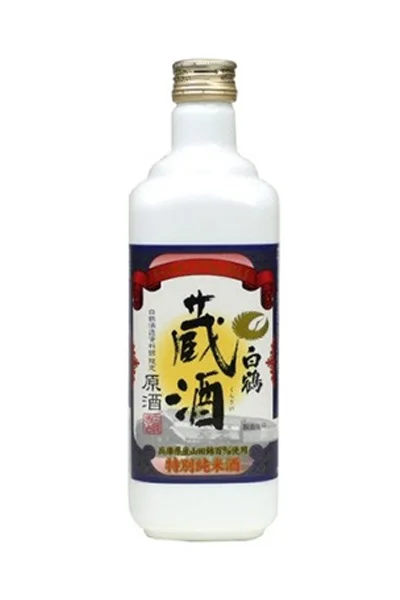
- Hakutsuru Tokubetsu Junmai Genshu Kurazake白鶴 特別純米酒 原酒 蔵酒
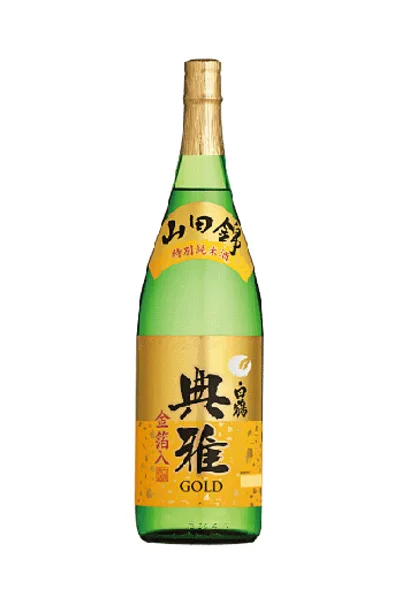
- Hakutsuru Tenga Gold白鶴 典雅 ゴールド
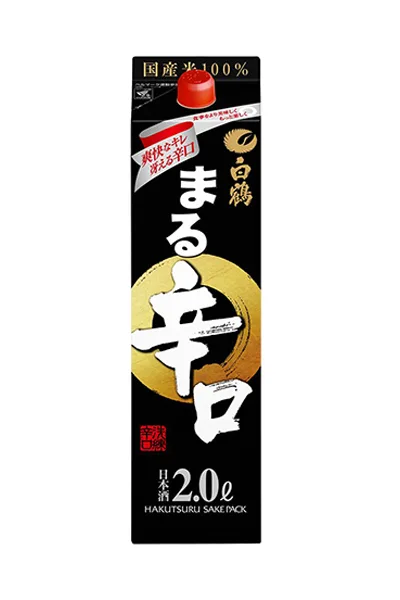
- Hakutsuru Maru Dry白鶴 まる 辛口
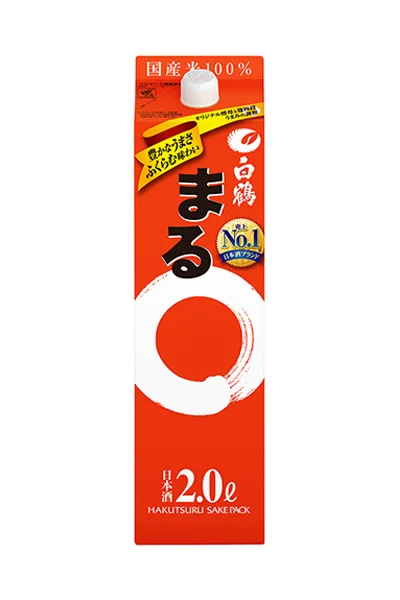
- Hakutsuru Maru白鶴 まる
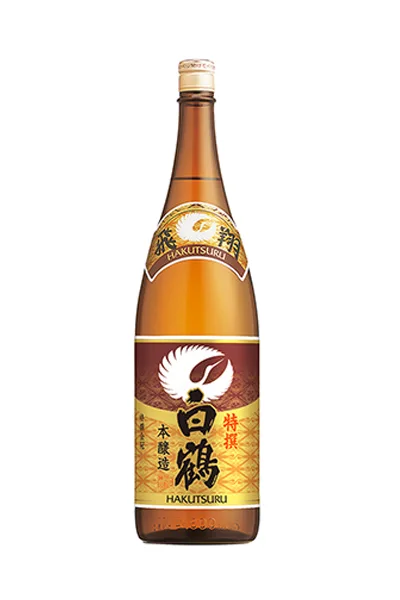
- Hakutsuru Hisho白鶴 飛翔
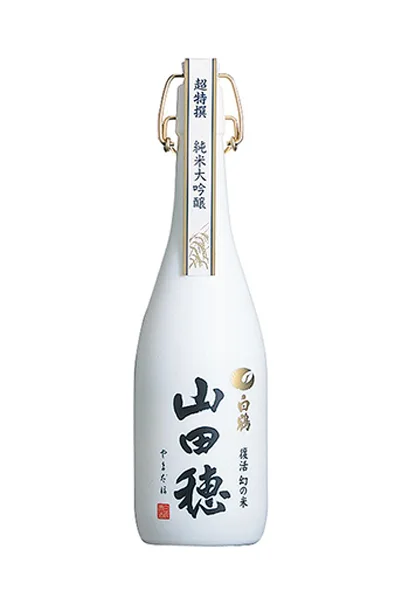
- Hakutsuru Chotokusen Yamadaho白鶴 超特撰 山田穂
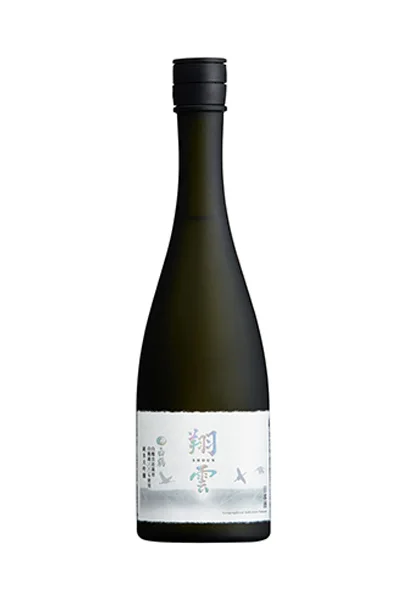
- Hakutsuru Shoun白鶴 翔雲
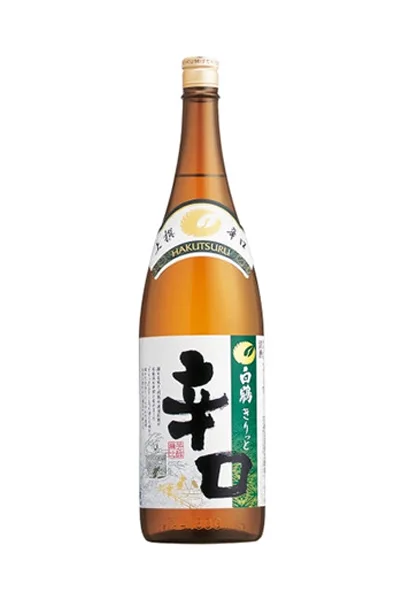
- Hakutsuru Kiritto Dry白鶴 きりっと辛口
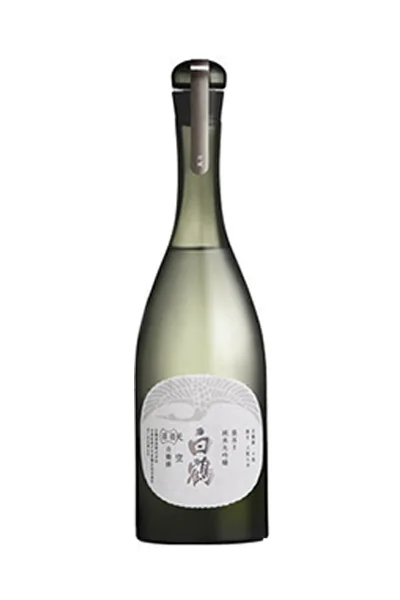
- Hakutsuru Junmai Daiginjo Tenku Hakutsuru Nishiki白鶴 純米大吟醸 天空 白鶴錦