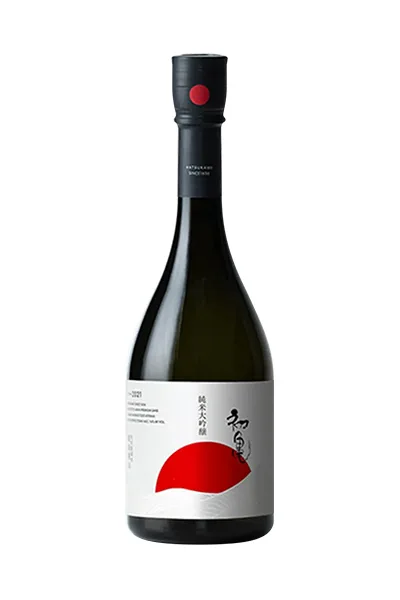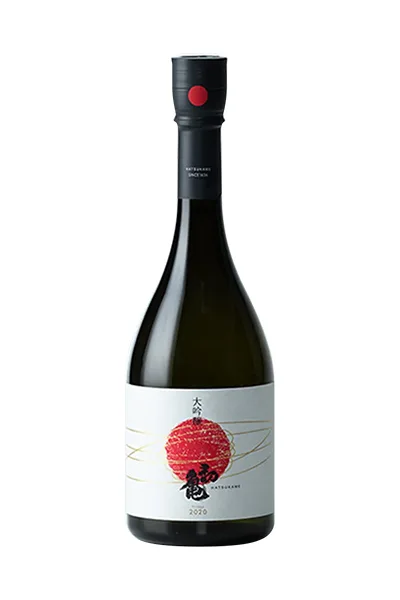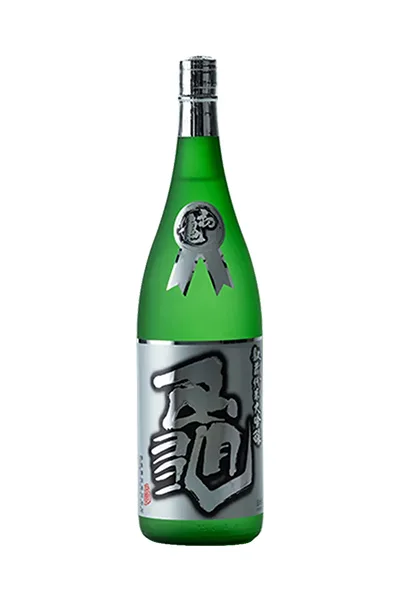
Hatsukame Hizo Junmai Daiginjo Kame
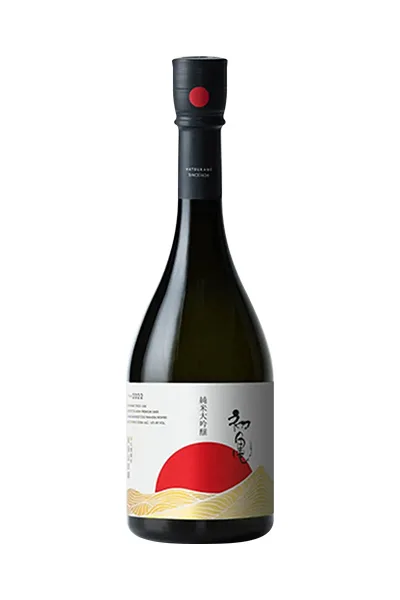
初亀 秘蔵純米大吟醸 亀Junmai daiginjo, Yamada Nishiki rice polished to 60%, aged
Hatsukame — Hatsukame Jozo, Shizuoka
Once a treasured cellar sake brewed in pursuit of the craft, it went on sale in 1977 for 10,000 yen as Japan's most expensive sake.
Specifications
- Type
- Junmai Daiginjo
- Rice
- Yamada Nishiki
- Rice polishing ratio
- 60%40% of each grain polished away
- Yeast
- Not disclosed
- Alcohol
- 16%
- Sake meter value
- +6very dry
- Acidity
- 1.3
How to read these
- Type
- The grade printed on the label. It depends on the ingredients (rice only, or with a little distilled alcohol) and on how far the rice is polished. More
- Rice
- The rice variety. Most premium sake uses varieties grown for brewing, such as Yamada Nishiki. More
- Rice polishing ratio
- How much of each grain is left after polishing. A lower number means more was milled away, which usually gives a lighter, more aromatic sake. More
- Yeast
- The yeast strain, which shapes the aroma. More
- Alcohol
- Alcohol by volume. Most sake is 15–16%; undiluted (genshu) sake is often 17–18%. More
- Sake meter value
- A sweet-to-dry scale. Plus is drier, minus is sweeter. Acidity changes how it tastes, so treat it as a rough guide. More
- Acidity
- Total acid. Higher tends to taste fuller and drier; lower tastes lighter and sweeter. More
Flavor profile Full & complex
Full & complex — aromatic and full-bodied, including aged sake. Known in Japan as juku-shu (熟酒).
Over 36 months of ice-temperature aging, a 60% polishing ratio, SMV +6 and low acidity of 1.3 point to a complex, silky, mature koshu with moderate aroma, full body and restrained sweetness.
Estimated by AI from the published specifications and the brewery's description; your impression may differ.
About
Thanks to the continued support of our customers over more than 40 years since its release, this is the flagship of our brewery. After about 50 days of brewing, the sake is promptly pasteurized (hiire) and bottled, then aged for more than 36 months in a dedicated storage room at ice-temperature (hyoon) aging. Through this aging, the texture becomes silky smooth, the complex aromas and flavors come together beautifully, and the sake develops a mature, dignified taste. Hatsukame Junmai Daiginjo Kame received the Junmai Daiginjo TROPHY (first place) at the IWC 2022 SAKE Division. Out of 1,732 total entries, 538 were in the Junmai Daiginjo category, and 23 received Gold medals. The International Wine Challenge (IWC), held annually in London, United Kingdom since 1984, is one of the world's largest alcohol competitions. Rice polishing ratio: Koji rice 55%, kake rice 60%
Other sake from this brand 18
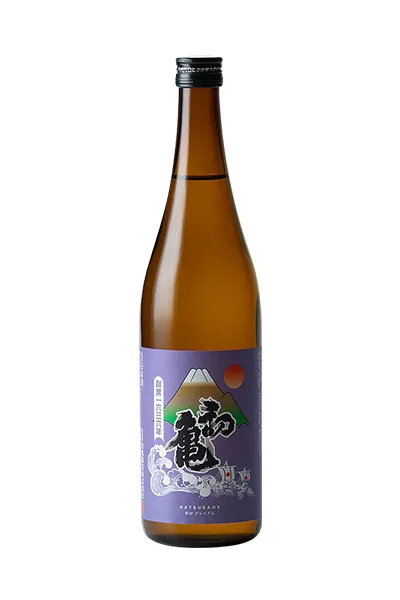
- Hatsukame Premium初亀 プレミアム
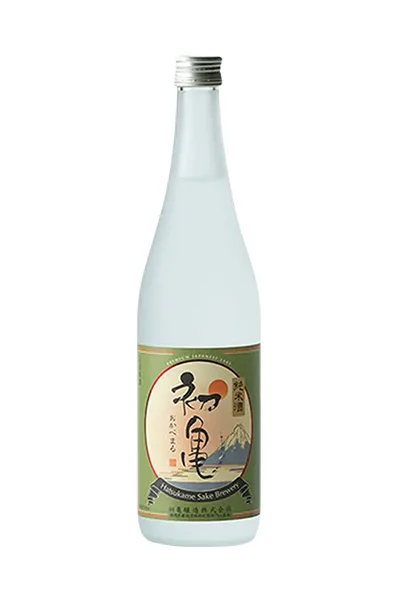
- Hatsukame Junmai sake Okabe Maru初亀 純米酒 岡部丸
- Hatsukame Junmai Daiginjo Tojo Yamada Nishiki Tajiri Nōen Saku初亀 純米大吟醸 東条山田錦 田尻農園作
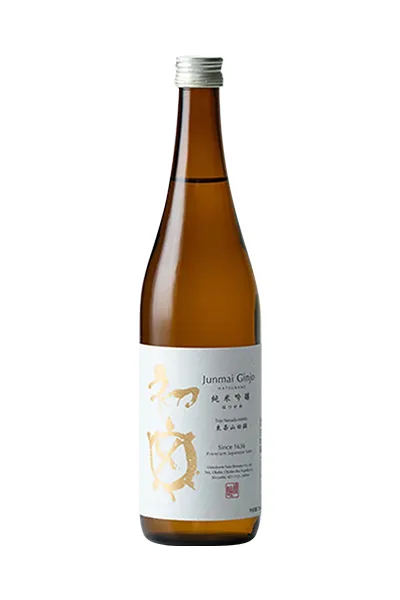
- Hatsukame Junmai Ginjo Tojo Yamada Nishiki初亀 純米吟醸 東条山田錦
- Hatsukame Junmai Daiginjo Tojo Aiyama Tajiri Noen Saku初亀 純米大吟醸 東条愛山 田尻農園作
- Hatsukame Tokubetsu Junmai Muroka Nama Genshu初亀 特別純米 無濾過生原酒
- Hatsukame Junmai Ginjo Origarami Nama初亀 純米吟醸 おりがらみ 生
- Hatsukame Daiginjo Ai初亀 大吟醸 愛
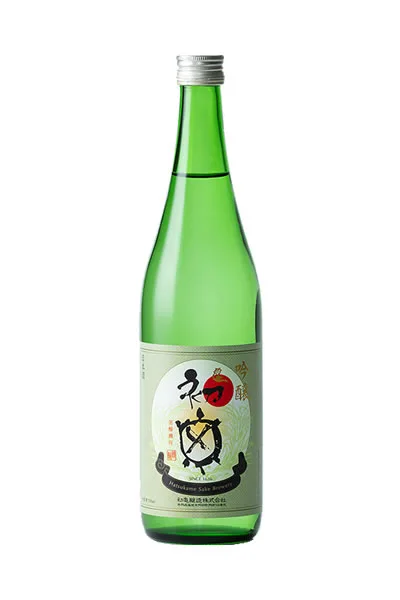
- Hatsukame Ginjo初亀 吟醸
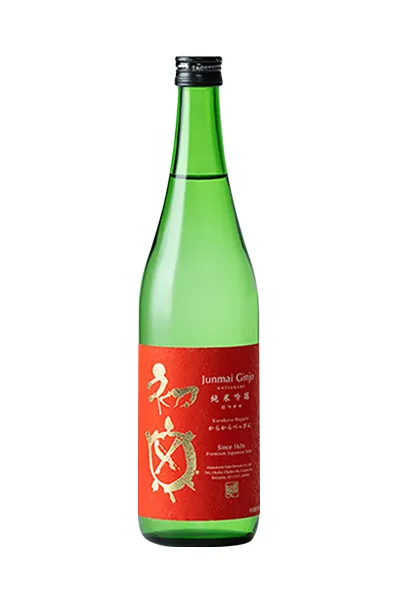
- Hatsukame Junmai Ginjo Karakara Beppin初亀 純米吟醸 からからべっぴん
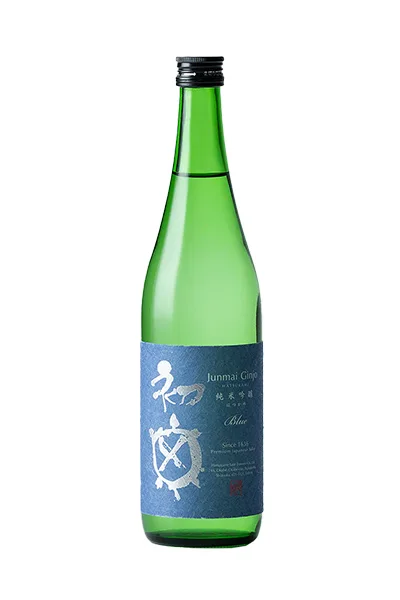
- Hatsukame Junmai Ginjo Blue初亀 純米吟醸 Blue
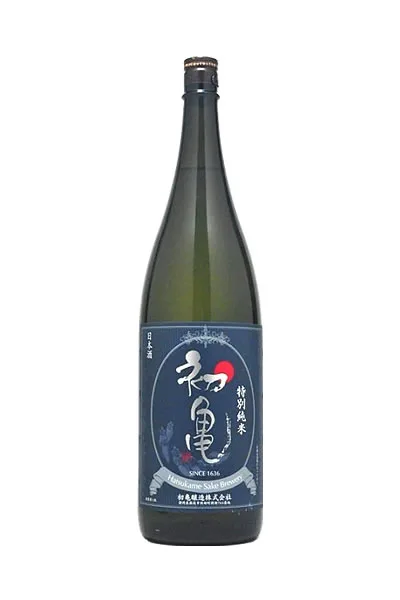
- Hatsukame Tokubetsu Junmai初亀 特別純米