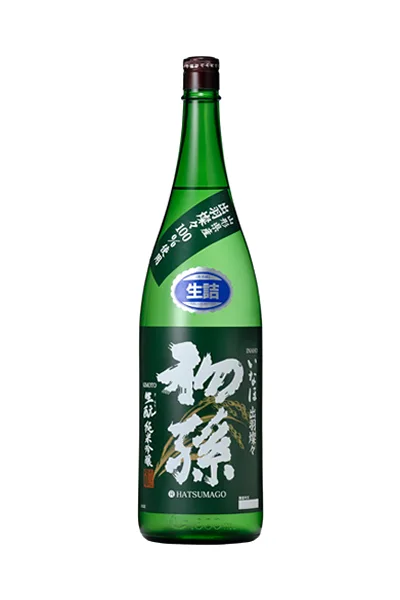
Hatsumago Junmai Ginjo Inaho
初孫 純米吟醸 いなほJunmai ginjo, Dewa Sansan rice polished to 60%
Hatsumago — Tohoku Meijo, Yamagata
A fresh ginjo aroma rises up, followed by a deep, rich flavor.
Specifications
- Type
- Junmai Ginjo
- Rice
- Dewa Sansan
- Rice polishing ratio
- 60%40% of each grain polished away
- Yeast
- Unknown
- Alcohol
- 15%
- Sake meter value
- +1medium
- Acidity
- 1.4
How to read these
- Type
- The grade printed on the label. It depends on the ingredients (rice only, or with a little distilled alcohol) and on how far the rice is polished. More
- Rice
- The rice variety. Most premium sake uses varieties grown for brewing, such as Yamada Nishiki. More
- Rice polishing ratio
- How much of each grain is left after polishing. A lower number means more was milled away, which usually gives a lighter, more aromatic sake. More
- Yeast
- The yeast strain, which shapes the aroma. More
- Alcohol
- Alcohol by volume. Most sake is 15–16%; undiluted (genshu) sake is often 17–18%. More
- Sake meter value
- A sweet-to-dry scale. Plus is drier, minus is sweeter. Acidity changes how it tastes, so treat it as a rough guide. More
- Acidity
- Total acid. Higher tends to taste fuller and drier; lower tastes lighter and sweeter. More
Flavor profile Full & complex
Full & complex — aromatic and full-bodied, including aged sake. Known in Japan as juku-shu (熟酒).
A 60% polished junmai ginjo whose described fresh ginjo aroma and deep, rich flavor place it on the aromatic, slightly full side. SMV +1 and acidity 1.4 suggest moderate sweetness and a soft, rounded finish.
Estimated by AI from the published specifications and the brewery's description; your impression may differ.
About
This is the Inaho Junmai Ginjo namazume (bottled without a second pasteurization). A fresh ginjo aroma rises up, and the sake is known for its deep, rich flavor. The clean finish as it goes down makes food taste even better. After pressing, the sake is heated at low temperature and stored in a refrigerator. The fresh flavor is bottled as it is. The recommended serving temperature is 13°C. Enjoy it in a wine glass.
Other sake from this brand 10
- Hatsumago Daiginjo初孫 大吟醸
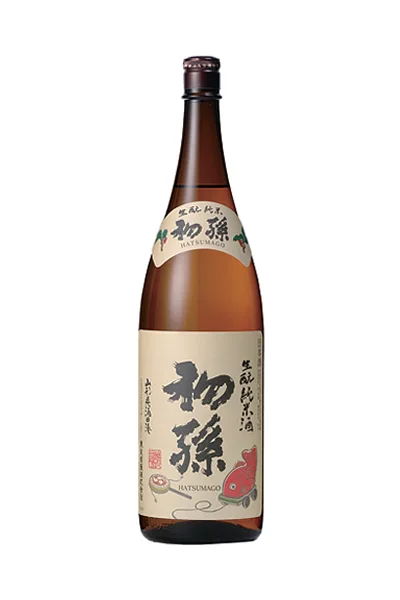
- Hatsumago Kimoto Junmai Shu初孫 きもと純米酒
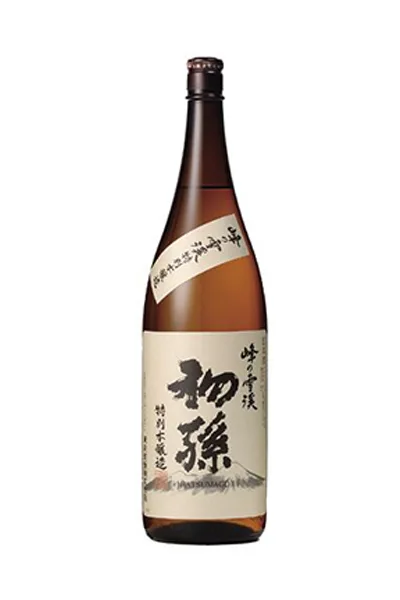
- Hatsumago Tokubetsu Honjozo Mine no Sekkei初孫 特別本醸造 峰の雪渓
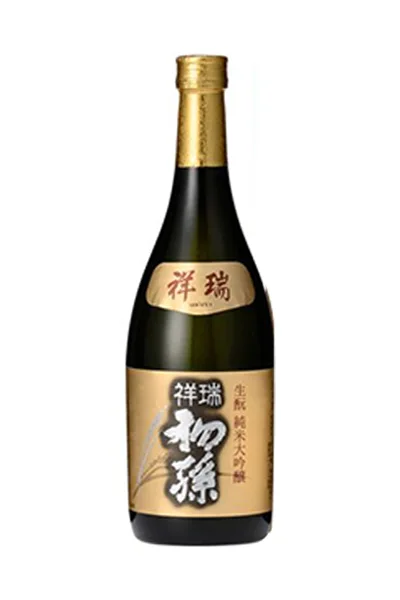
- Hatsumago Junmai Daiginjo Shozui初孫 純米大吟醸 祥瑞
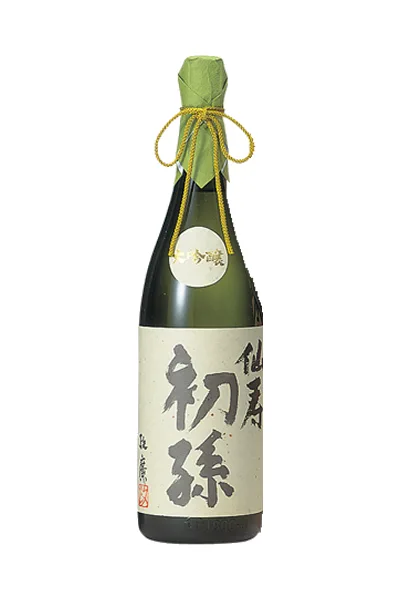
- Hatsumago Daiginjo Senju初孫 大吟醸 仙寿
- Hatsumago Junmai Honkarakuchi Mazan初孫 純米本辛口 魔斬
- Hatsumago Junmai Ginjo Yume Kobo初孫 純米吟醸 夢工房
- Hatsumago Koshu Sansai初孫 古酒三歳
- Hatsumago Junmai Ginjo Shiboritate初孫 純米吟醸 しぼりたて
- Hatsumago Junmai Ginjo Sunagata初孫 純米吟醸 砂潟