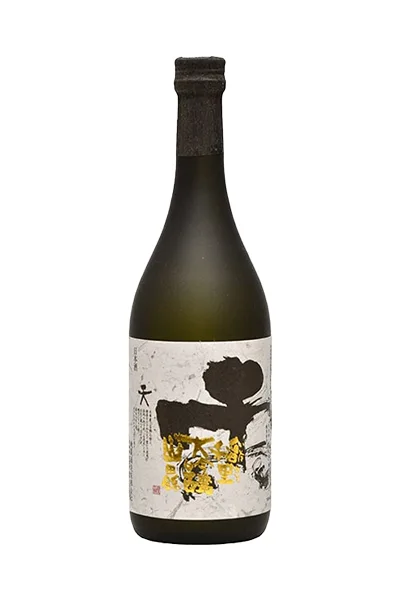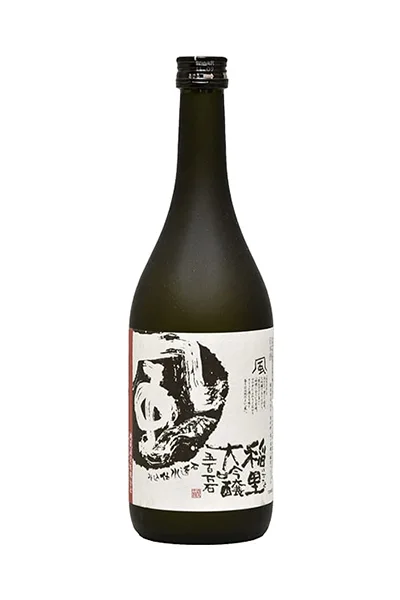
Inasato Daiginjo Gohyakumangoku
稲里 大吟醸 五百万石Daiginjo, Gohyakumangoku rice polished to 50%
Inasato — Isokura Shuzo, Ibaraki
Spreading softly, then fading away like a gentle breeze...
Specifications
- Type
- Daiginjo
- Rice
- Gohyakumangoku
- Rice polishing ratio
- 50%50% of each grain polished away
- Yeast
- Not disclosed
- Alcohol
- 16–17%
- Sake meter value
- +0medium
How to read these
- Type
- The grade printed on the label. It depends on the ingredients (rice only, or with a little distilled alcohol) and on how far the rice is polished. More
- Rice
- The rice variety. Most premium sake uses varieties grown for brewing, such as Yamada Nishiki. More
- Rice polishing ratio
- How much of each grain is left after polishing. A lower number means more was milled away, which usually gives a lighter, more aromatic sake. More
- Yeast
- The yeast strain, which shapes the aroma. More
- Alcohol
- Alcohol by volume. Most sake is 15–16%; undiluted (genshu) sake is often 17–18%. More
- Sake meter value
- A sweet-to-dry scale. Plus is drier, minus is sweeter. Acidity changes how it tastes, so treat it as a rough guide. More
Flavor profile Aromatic & light
Aromatic & light — fruity, floral aroma with a light body. Known in Japan as kun-shu (薫酒).
Polished to 50% as a daiginjo, the description points to a gentle aroma with little bitterness or acidity, and an SMV of 0 suggests a balanced, moderately sweet profile. Its light, delicate body places it in the kun category.
Estimated by AI from the published specifications and the brewery's description; your impression may differ.
About
The idea behind this sake is that when a daiginjo is brewed with a gentle aroma in mind, the rice is polished heavily and minerals are limited, so bitterness, astringency, and acidity are reduced. Such a sake is well suited to delicate flavors. Based on this, we pursued pairings with washoku (Japanese cuisine), which often features subtle seasoning. Its potential also shines when it is warmed (kan), though care must be taken not to overheat it. At our brewery we call this elegant warmed sake "Miyabi-kan," and we enjoy it with kaiseki (multi-course) meals and osechi (traditional New Year) dishes.
Other sake from this brand 12
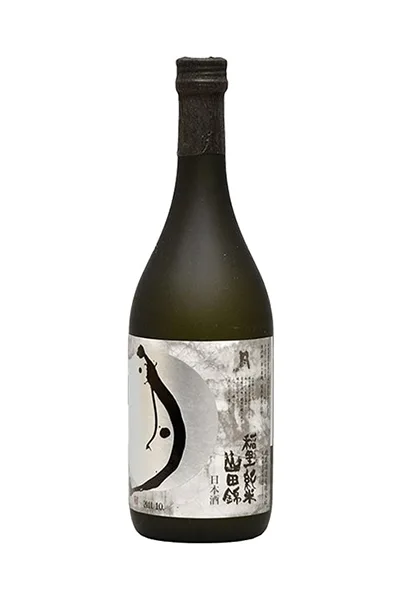
- Inasato Daiginjo Yamada Nishiki稲里 大吟醸 山田錦
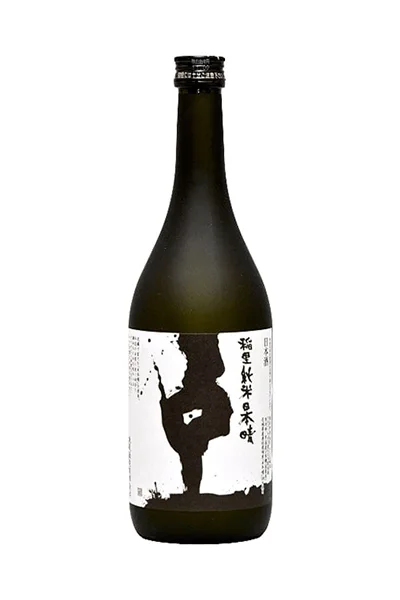
- Inasato Junmai Nipponbare稲里 純米 日本晴
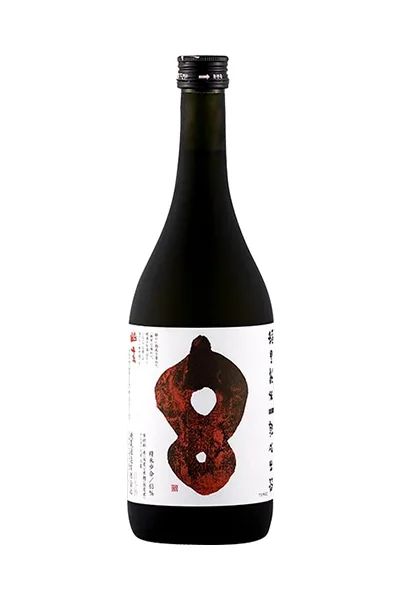
- Inasato Junmai Jukusei Shukka稲里 純米 熟成出荷
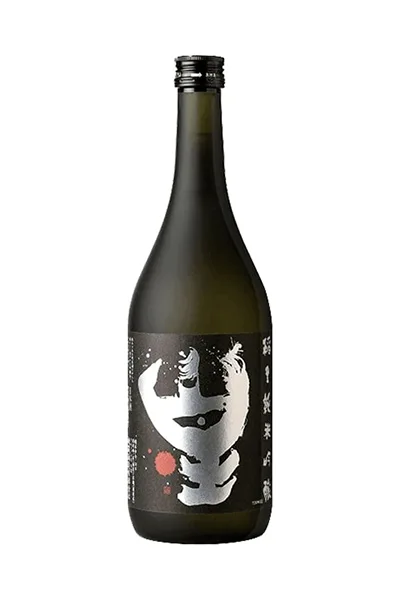
- Inasato Junmai Ginjo稲里 純米吟醸
- Inasato Junmai Yamada Nishiki稲里 純米 山田錦
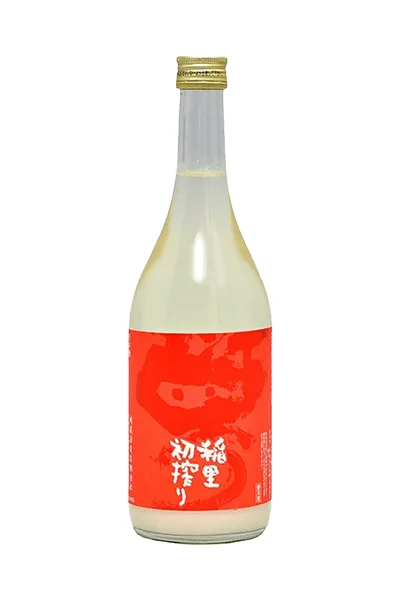
- Inasato Hatsushibori稲里 初搾り
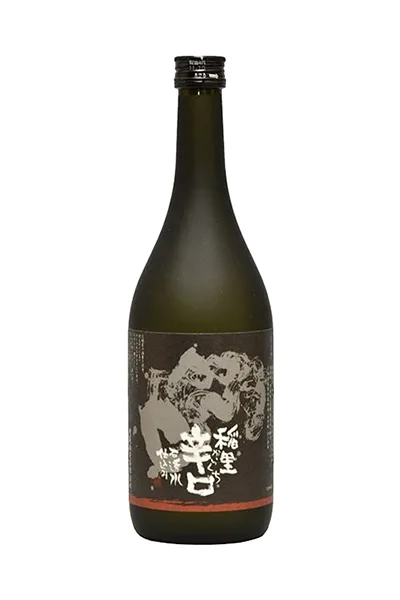
- Inasato Karakuchi稲里 辛口
- Inasato Honjozo Nama稲里 本醸造 生酒
- Inasato Honjozo稲里 本醸造
- Inasato Honjozo Namachozo稲里 本醸造 生貯蔵酒
- Inasato Junmai Hitachi Nishiki稲里 純米 ひたち錦
- Inasato Shusen稲里 秀撰