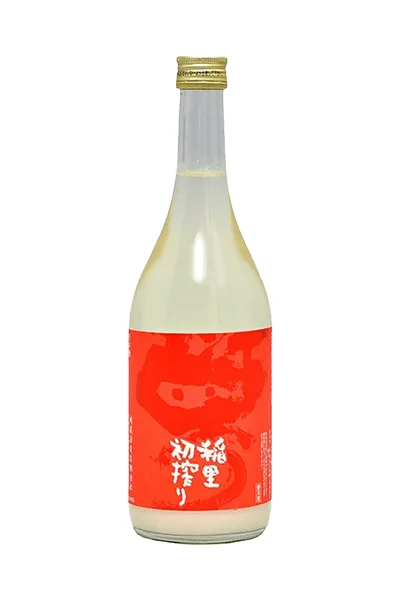
Inasato Hatsushibori
稲里 初搾りRice polished to 70%, sparkling, cloudy (nigori), freshly pressed new sake
Inasato — Isokura Shuzo, Ibaraki
Fine bubbles fizz and spill over like a dream
Specifications
- Type
- Other
- Rice
- Not disclosed
- Rice polishing ratio
- 70%30% of each grain polished away
- Yeast
- Not disclosed
- Alcohol
- 17%
How to read these
- Type
- The grade printed on the label. It depends on the ingredients (rice only, or with a little distilled alcohol) and on how far the rice is polished. More
- Rice
- The rice variety. Most premium sake uses varieties grown for brewing, such as Yamada Nishiki. More
- Rice polishing ratio
- How much of each grain is left after polishing. A lower number means more was milled away, which usually gives a lighter, more aromatic sake. More
- Yeast
- The yeast strain, which shapes the aroma. More
- Alcohol
- Alcohol by volume. Most sake is 15–16%; undiluted (genshu) sake is often 17–18%. More
Flavor profile Rich & umami
Rich & umami — rice-driven umami and a fuller body. Known in Japan as jun-shu (醇酒).
Unfiltered nama genshu at 17% with 70% polishing points to a rich, rice-forward body, while the gentle sparkle keeps it lively. No added sugar, but the nigori rice solids give a soft, mildly sweet impression with restrained aroma.
Estimated by AI from the published specifications and the brewery's description; your impression may differ.
About
Hatsushibori (the first pressing of each year's brewing, typically around mid-November) is a naturally sparkling, unfiltered nigori Nama Genshu with a lively, unripened character similar to moromi mid-fermentation. It contains no added sugar, and its fine carbonation comes from a secondary fermentation in the bottle, driven by the rice. Pressing at just the right density and effervescence takes a great deal of time and effort, which is why this batch is pressed first. As a namazake, it is most often served chilled, but surprisingly, it can also be enjoyed warmed (kan).
Other sake from this brand 12
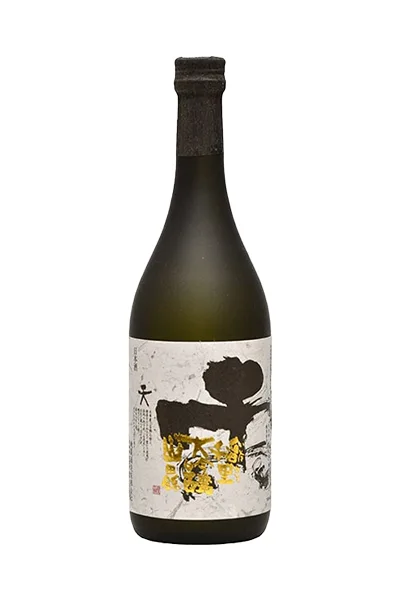
- Inasato Daiginjo Yamada Nishiki稲里 大吟醸 山田錦
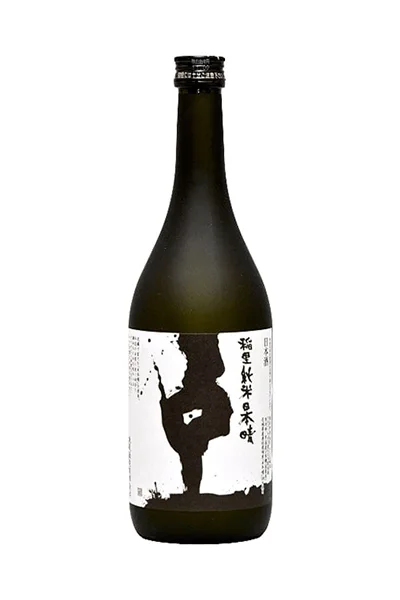
- Inasato Junmai Nipponbare稲里 純米 日本晴
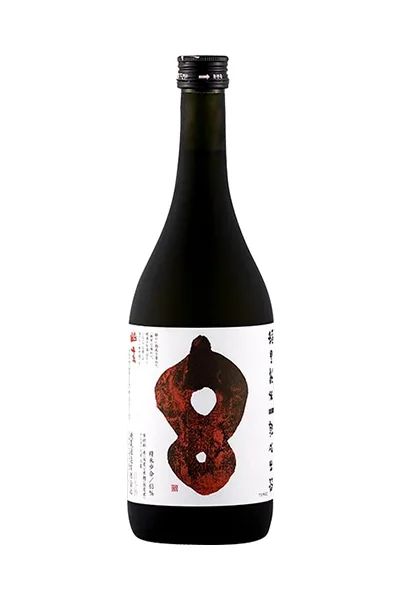
- Inasato Junmai Jukusei Shukka稲里 純米 熟成出荷
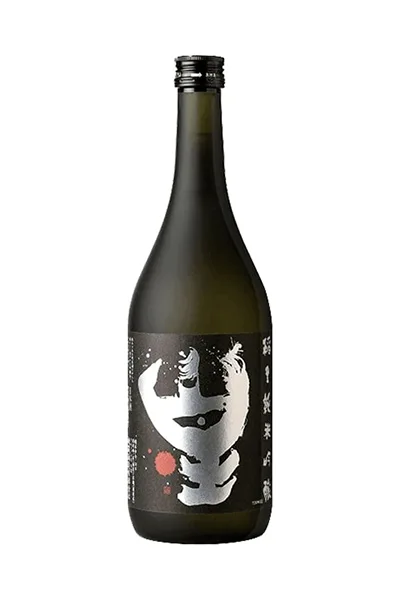
- Inasato Junmai Ginjo稲里 純米吟醸
- Inasato Daiginjo Gohyakumangoku稲里 大吟醸 五百万石
- Inasato Junmai Yamada Nishiki稲里 純米 山田錦
- Inasato Karakuchi稲里 辛口
- Inasato Honjozo Nama稲里 本醸造 生酒
- Inasato Honjozo稲里 本醸造
- Inasato Honjozo Namachozo稲里 本醸造 生貯蔵酒
- Inasato Junmai Hitachi Nishiki稲里 純米 ひたち錦
- Inasato Shusen稲里 秀撰