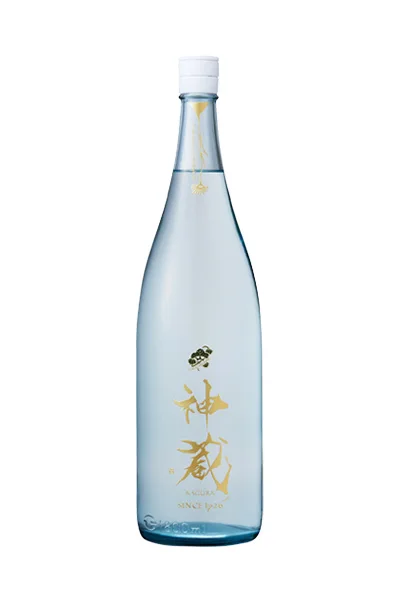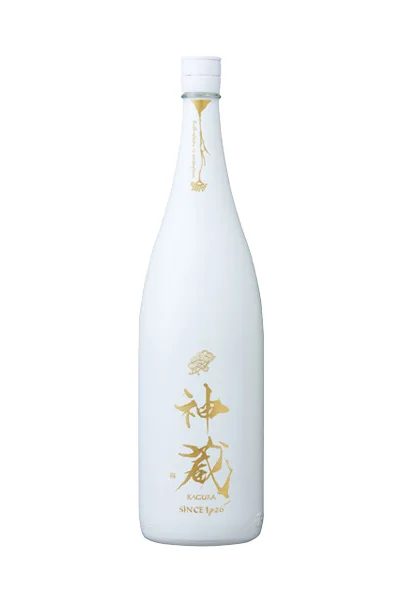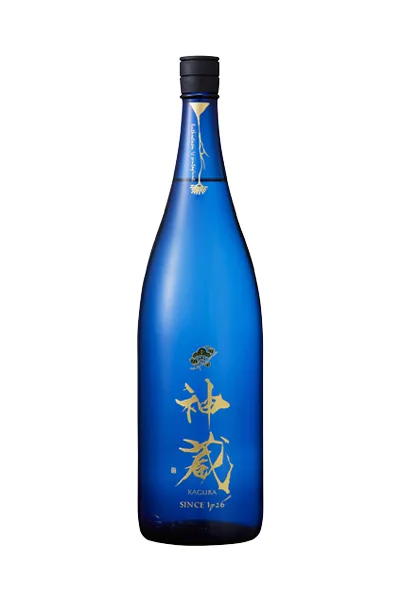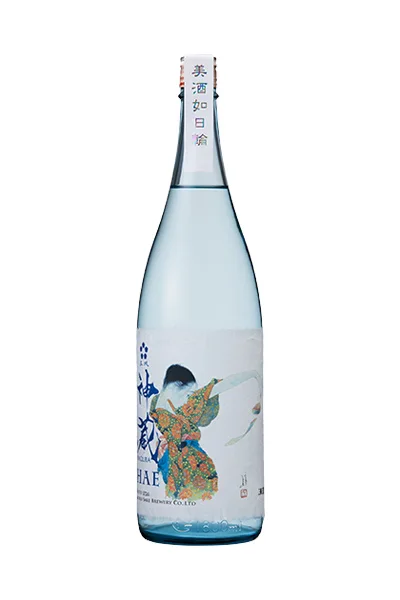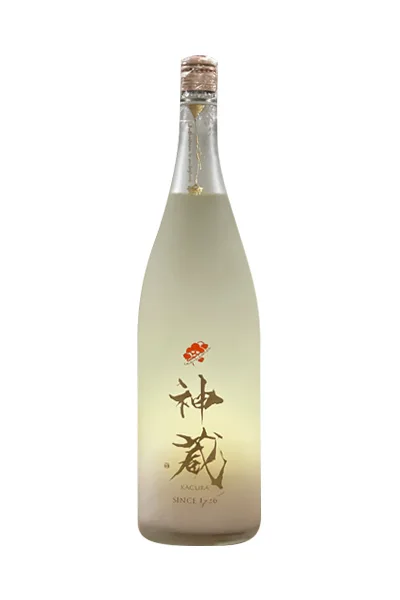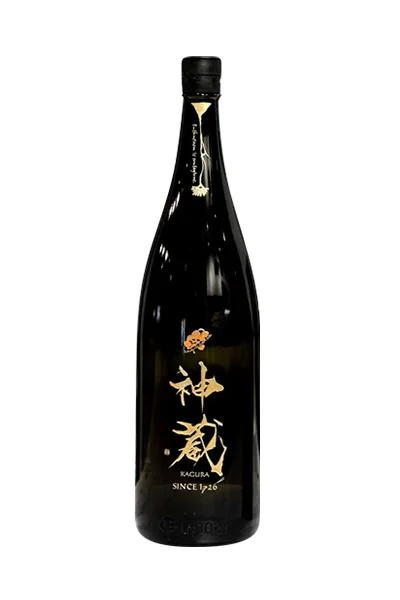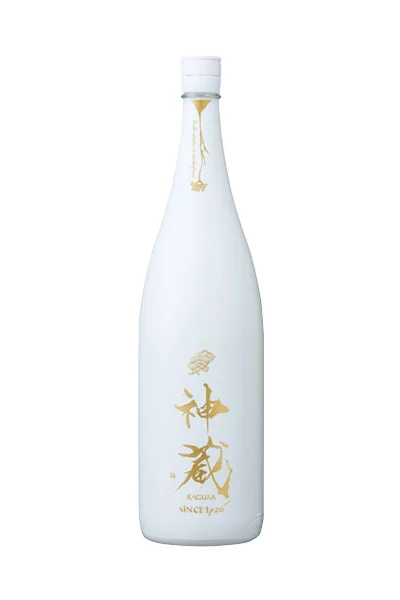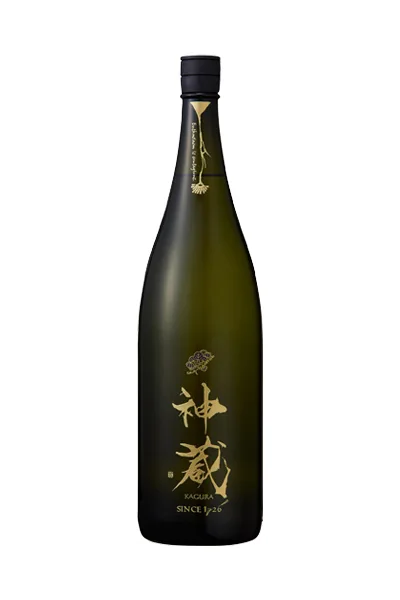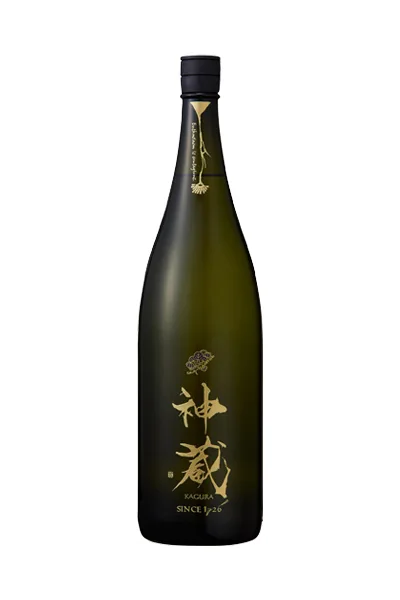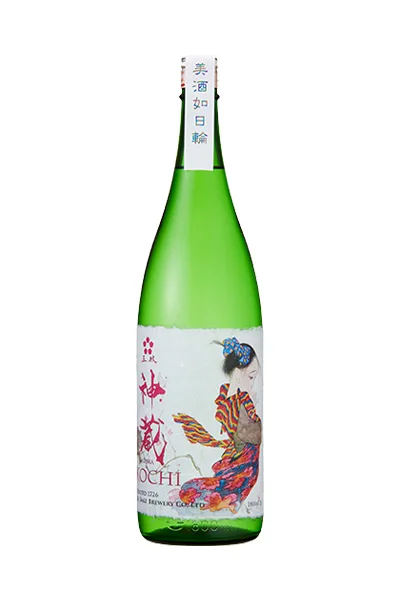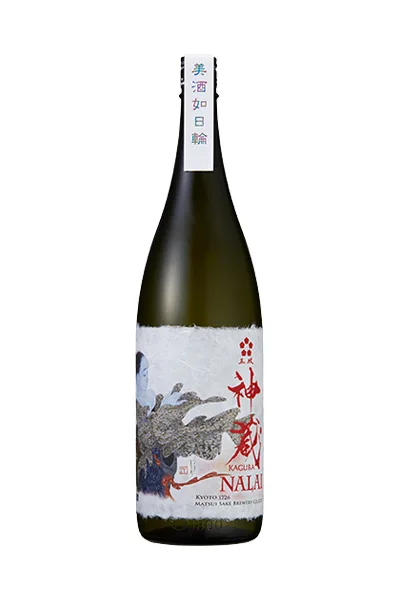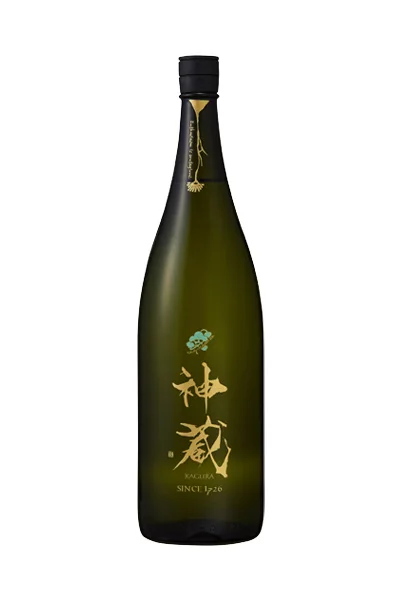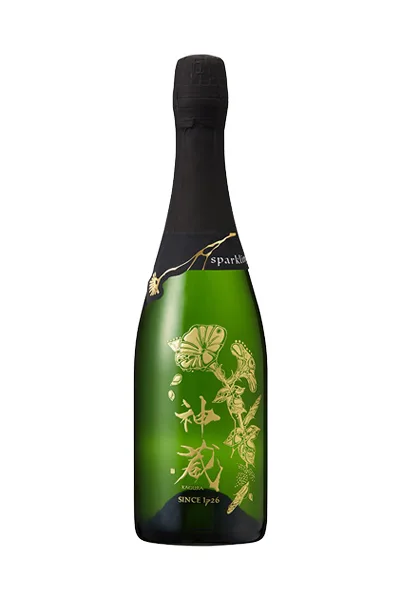
Kagura Tsuyuka Sparkling
神蔵 露花 スパークリングSparkling
Kagura — Matsui Shuzo, Kyoto
A fresh sensation: Kagura sparkling sake that fizzes with every sip
Specifications
- Type
- Sparkling
- Rice
- Not disclosed
- Yeast
- Not disclosed
- Alcohol
- 7%
How to read these
- Type
- The grade printed on the label. It depends on the ingredients (rice only, or with a little distilled alcohol) and on how far the rice is polished. More
- Rice
- The rice variety. Most premium sake uses varieties grown for brewing, such as Yamada Nishiki. More
- Yeast
- The yeast strain, which shapes the aroma. More
- Alcohol
- Alcohol by volume. Most sake is 15–16%; undiluted (genshu) sake is often 17–18%. More
Flavor profile Full & complex
Full & complex — aromatic and full-bodied, including aged sake. Known in Japan as juku-shu (熟酒).
The muscat-like aroma and the described rich, umami-driven sweetness point to a moderately aromatic profile with a fuller body. The 7% alcohol and sparkling carbonation keep the overall impression light and lively.
Estimated by AI from the published specifications and the brewery's description; your impression may differ.
About
This sparkling sake was born from a rich, layered flavor built on the gentle sweetness and umami of the sake rice that develop during fermentation, yet it leaves a youthful impression. It is characterized by a muscat-like aroma, fine and delicate bubbles, and a faint acidity that lingers on the tongue. Emphasizing the flavor diminished the aroma, while emphasizing the aroma left the depth lacking. Strong acidity increased in direct proportion to the concentration of umami. We faced one dilemma after another and repeated trial and error many times. Carbonation also dulls the human sense of taste. The sake therefore had to be rich and full-bodied enough to overcome that stimulation. We completed it by resolving, one by one, the many problems that arose before reaching a satisfying flavor, including the temperature progression during fermentation in the development of moromi (fermentation mash), and the temperature and duration of aging after pressing. The carbonation is neither too strong nor too weak. This just-right level of gas further enhances the character of the sake and stimulates the appetite. Kyoto has a 'Toast with Nihonshu' ordinance. This sake was created with scenes in mind: moistening the throat, feeling excited for the delicious meal to come, or having a tired body after work gently and sweetly enveloped. It is also recommended for those who are drinking nihonshu for the first time. Note: The label design is based on a passage from the Hojoki (Kamo no Chomei): 'Much like the dew on a morning glory, sometimes the dew falls and the blossom remains. Though the blossom remains, it withers in the morning sun. Sometimes the blossom wilts and the dew still does not vanish. Though the dew does not vanish, it does not wait until evening.' Through this design, we sought to express the sense of the impermanence of this world within the sake.
Other sake from this brand 15
- Junmai Kagura Namazake (Clear)純米 神蔵KAGURA 生酒(クリア)
- Junmai Daiginjo Kagura Namazake (White)純米大吟醸 神蔵KAGURA 生酒(白)
- Kagura Junmai Nama (Ruri)純米 神蔵KAGURA 生酒(ルリ)
- Kagura Minamikaze HAE Namazake (Summer Limited)神蔵 南風HAE 生酒(夏季限定)
- Kagura Nigori Hisoka Namazake神蔵KAGURA にごり酒 ひそか 生酒
- Junmai Daiginjo Kagura Assemblage Nama (Limited Betsu-atsurae)純米大吟醸 神蔵KAGURA アッサンブラージュ 生酒(限定特別誂)
- Kagura Junmai Daiginjo Hitotsubi (Shiro)純米大吟醸 神蔵KAGURA 一火(白)
- Kagura Junmai Daiginjo Nama (Black)純米大吟醸 神蔵KAGURA 生酒(黒)
- Kagura Junmai Daiginjo Hitotsubi (Kuro)純米大吟醸 神蔵KAGURA 一火(黒)
- Kagura Kochi (Spring Limited)神蔵 東風KOCHI(春季限定)
- Kagura Nishikaze NALAI Namazake (Autumn Limited)神蔵 西風NALAI 生酒(秋季限定)
- Junmai Daiginjo Kagura Kyo no Hikaru Namazake純米大吟醸 神蔵KAGURA 京の輝き 生酒