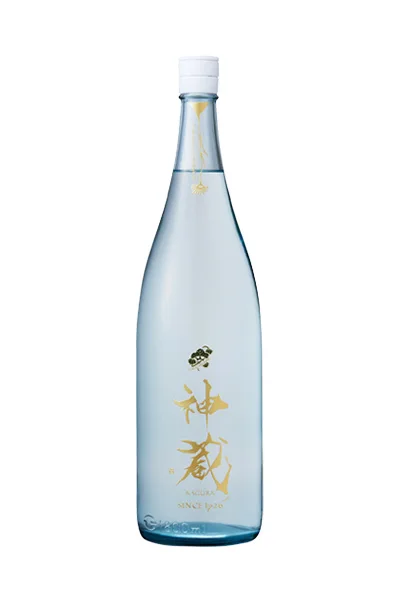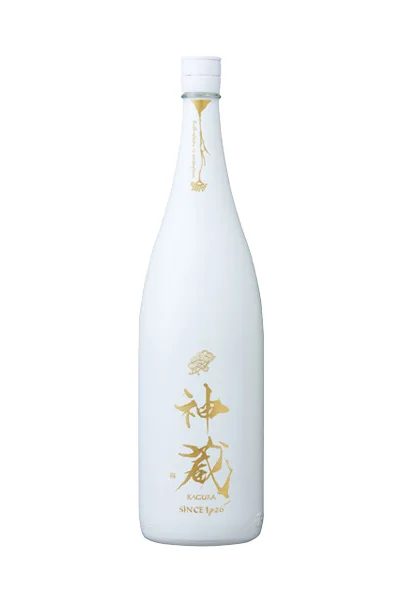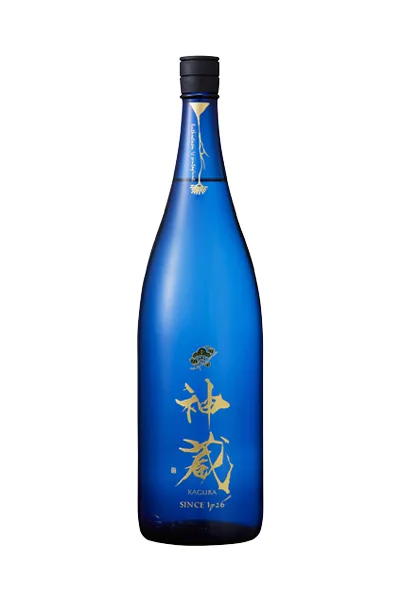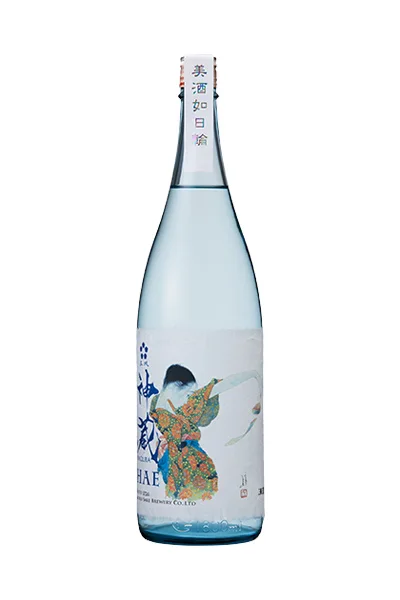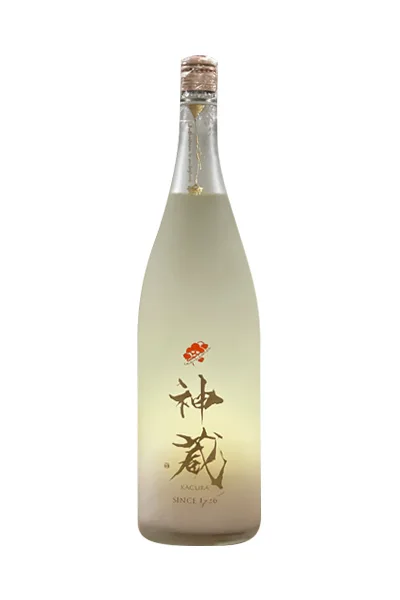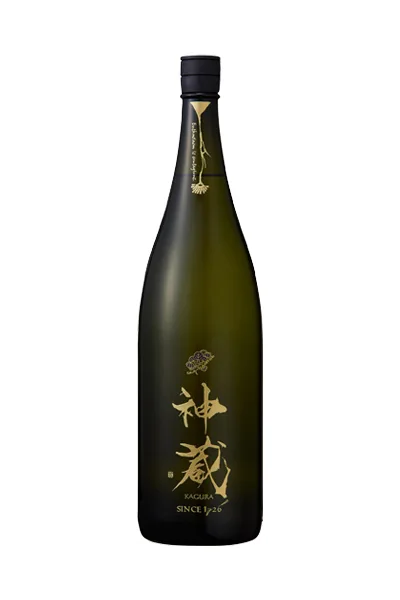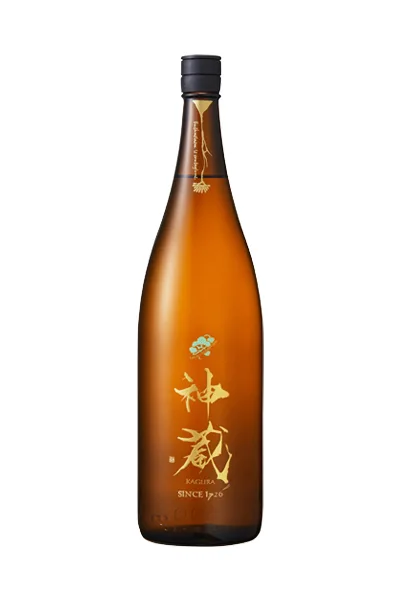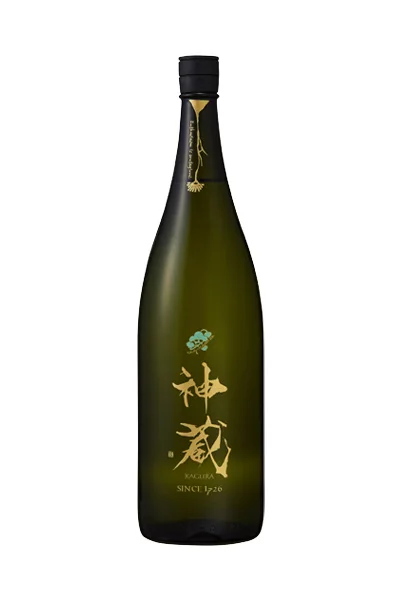
Junmai Daiginjo Kagura Kyo no Hikaru Namazake
純米大吟醸 神蔵KAGURA 京の輝き 生酒Junmai daiginjo, rice polished to 50%, unpasteurized (nama)
Kagura — Matsui Shuzo, Kyoto
A gentle aroma and deep flavor that fades away gracefully.
Specifications
- Type
- Junmai Daiginjo
- Rice
- Not disclosed
- Rice polishing ratio
- 50%50% of each grain polished away
- Yeast
- Not disclosed
- Alcohol
- 15%
How to read these
- Type
- The grade printed on the label. It depends on the ingredients (rice only, or with a little distilled alcohol) and on how far the rice is polished. More
- Rice
- The rice variety. Most premium sake uses varieties grown for brewing, such as Yamada Nishiki. More
- Rice polishing ratio
- How much of each grain is left after polishing. A lower number means more was milled away, which usually gives a lighter, more aromatic sake. More
- Yeast
- The yeast strain, which shapes the aroma. More
- Alcohol
- Alcohol by volume. Most sake is 15–16%; undiluted (genshu) sake is often 17–18%. More
Flavor profile Aromatic & light
Aromatic & light — fruity, floral aroma with a light body. Known in Japan as kun-shu (薫酒).
The text describes a pronounced fruity aroma with a crisp finish that leaves no lingering sweetness, along with some roundness and umami. Its 50% polish, 15% alcohol and nama style point to an aromatic, light-to-medium body.
Estimated by AI from the published specifications and the brewery's description; your impression may differ.
About
Junmai Daiginjo made with Kyo no Hikaru rice, polished to 50%. Kyo no Hikaru is used as kakemai (the rice added to the mash during fermentation). Kyo no Hikaru is a variety unique to Kyoto, characterized by large grains and low protein content. Because it is not a sake rice, we were also able to keep the price down. The flavor is full and soft, with a rich umami you can clearly sense. The fruity aroma is striking, but the sweetness that aroma might suggest does not linger. It finishes cleanly without trailing on, with a crisp, clean finish (kire). The result is a sake that makes it clear this is good rice. This sake is unfiltered (muroka), and depending on the timing of bottling, some rice components may remain in the bottle. As a namazake (unpasteurized), the lively energy of living yeast comes through directly on the palate.
Other sake from this brand 15
- Junmai Kagura Namazake (Clear)純米 神蔵KAGURA 生酒(クリア)
- Junmai Daiginjo Kagura Namazake (White)純米大吟醸 神蔵KAGURA 生酒(白)
- Kagura Junmai Nama (Ruri)純米 神蔵KAGURA 生酒(ルリ)
- Kagura Minamikaze HAE Namazake (Summer Limited)神蔵 南風HAE 生酒(夏季限定)
- Kagura Nigori Hisoka Namazake神蔵KAGURA にごり酒 ひそか 生酒
- Junmai Daiginjo Kagura Assemblage Nama (Limited Betsu-atsurae)純米大吟醸 神蔵KAGURA アッサンブラージュ 生酒(限定特別誂)
- Kagura Junmai Daiginjo Hitotsubi (Shiro)純米大吟醸 神蔵KAGURA 一火(白)
- Kagura Junmai Daiginjo Nama (Black)純米大吟醸 神蔵KAGURA 生酒(黒)
- Kagura Junmai Daiginjo Hitotsubi (Kuro)純米大吟醸 神蔵KAGURA 一火(黒)
- Kagura Kochi (Spring Limited)神蔵 東風KOCHI(春季限定)
- Kagura Nishikaze NALAI Namazake (Autumn Limited)神蔵 西風NALAI 生酒(秋季限定)
- Junmai Kagura Yamadaho Nama純米 神蔵KAGURA 山田穂 生酒